
Trunk comparison: Audi A3 Sportback vs Hyundai i10
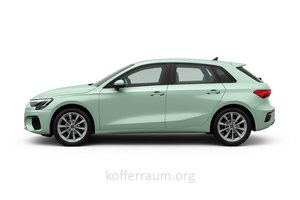
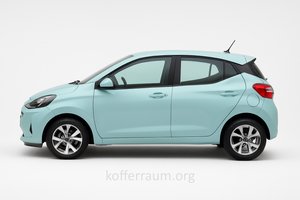
Biggest Differences (highlighted >10%)
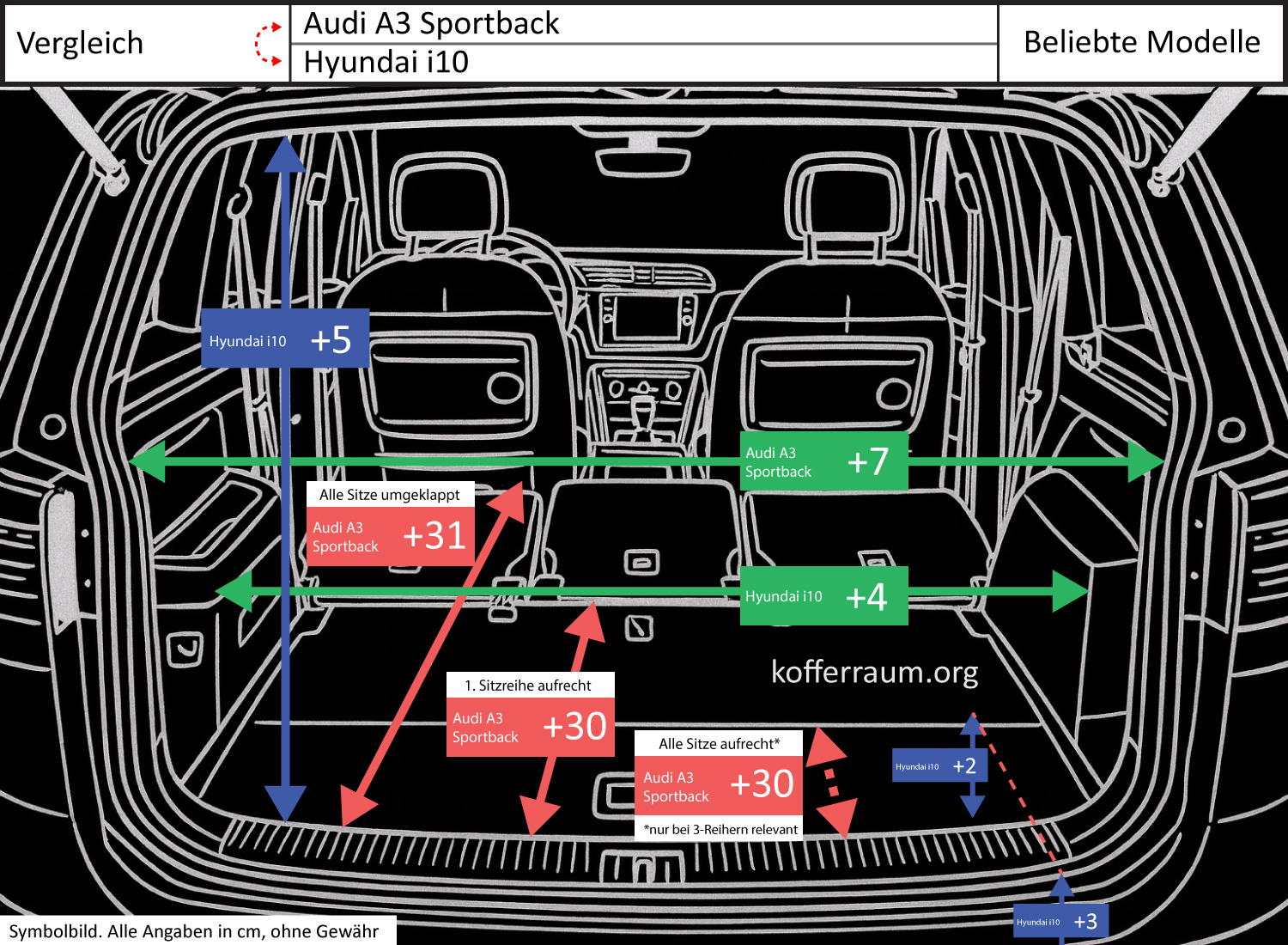
The Audi A3 Sportback offers 12.2 in more cargo length (+26%) with the rear seats folded down compared to the Hyundai i10. With the front seats upright, the A3 even has 11.8 in more length (+64%) in front (more usable loading length) than the i10. Conversely, the Hyundai i10 has a deeper trunk design: the depth (loading edge → trunk floor) is 0.8 in greater (+13%) than in the A3.
Impact on Usability
These differences lead to clearly different usage profiles:
- Audi A3 Sportback: The significantly longer loading area with folded seats and especially with the front seats upright makes the A3 much more suitable for longer items (e.g., slats, skis, long boxes) and for larger shopping or luggage loads. Those who frequently transport bulky or long cargo benefit from the additional loading length.
- Hyundai i10: The greater trunk depth (from loading edge to floor) increases the usable vertical volume and is better suited for taller or stacked items. Combined with the compact overall size, the i10 is more practical for urban use where vertically usable cargo space is more important than length.
Other, Smaller Differences
There are other differences below the 10% mark: trunk opening height (+2 in in the i10), loading edge height (+1.2 in in the i10), narrowest trunk width (+1.6 in in the i10), and trunk opening width (+2.8 in in the A3).
These factors mainly affect loading convenience (loading and unloading, access for wide/tall items) but change the basic usability less strongly than the above-mentioned differences in length and depth.