
Trunk comparison: Audi A3 Sportback vs Hyundai Elantra GT Wagon
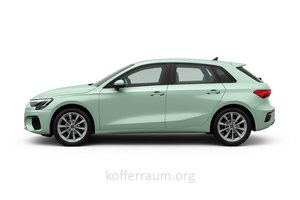
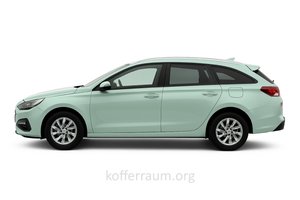
Key Differences
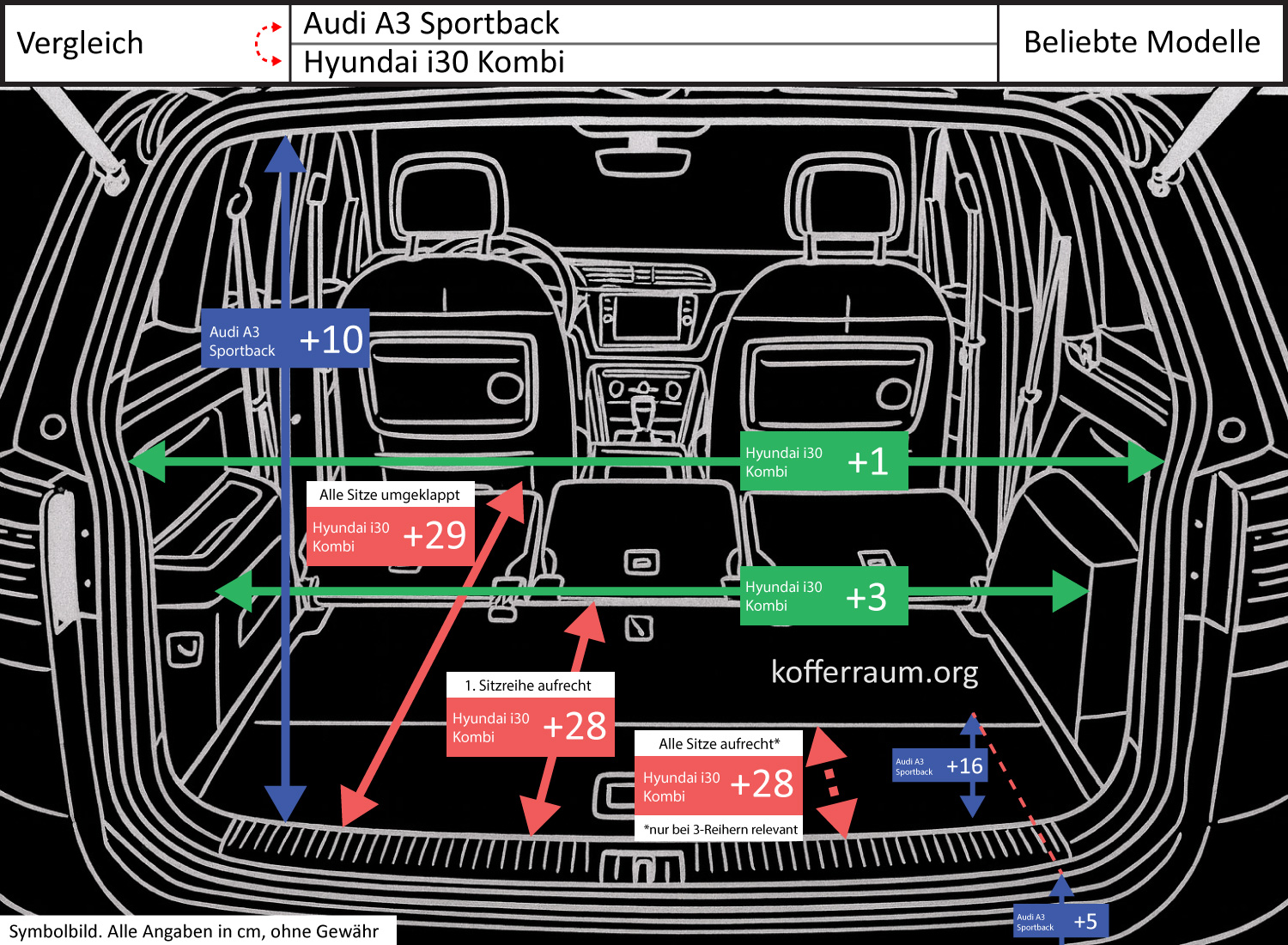
The Hyundai i30 Wagon offers significantly more loading length: with the seats folded down, the trunk is 11.4 in (19%) longer, and with the first row of seats upright, it is even 11 in (36%) longer than the Audi A3 Sportback.
In contrast, the Audi A3 Sportback features a trunk opening that is 3.9 in (15%) higher and a depth between the loading edge and trunk floor that is 6.3 in (1500%) greater.
The width differences (narrowest point +1.2 in/3% in favor of the i30, opening width +0.4 in/1%) and the 2 in (8%) higher loading edge on the Audi are under 10% and thus less significant.
Impact on Usability
The longer cargo length of the Hyundai i30 Wagon makes it better suited for long items (e.g., slats, furniture edges, long sports equipment) and for situations where maximum length is needed without folding down or with the rear seats upright.
Those who regularly transport bulky, long cargo will benefit from the i30 Wagon.
The Audi A3 Sportback scores with headroom at the opening and the depth behind the loading edge: the higher trunk opening makes loading tall items easier, and the greater depth means cargo sits deeper in the trunk and protrudes less over the loading edge.
This is practical for bulky but shorter or tall items as well as for better stacking and securing of boxes. The slightly higher loading edge (8%) requires minimal extra effort when lifting but is not a major disadvantage.
In short: Hyundai i30 Wagon = better for long cargo and maximum length. Audi A3 Sportback = better for tall/voluminous cargo, stable stacking, and cargo that should sit below the opening. Width and opening width are nearly identical and have little practical impact.