
Trunk comparison: Audi A6 Avant vs Renault Austral
Key Differences
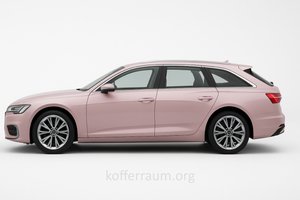
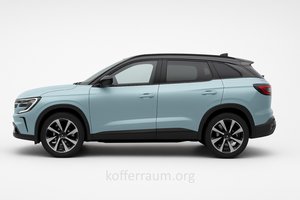
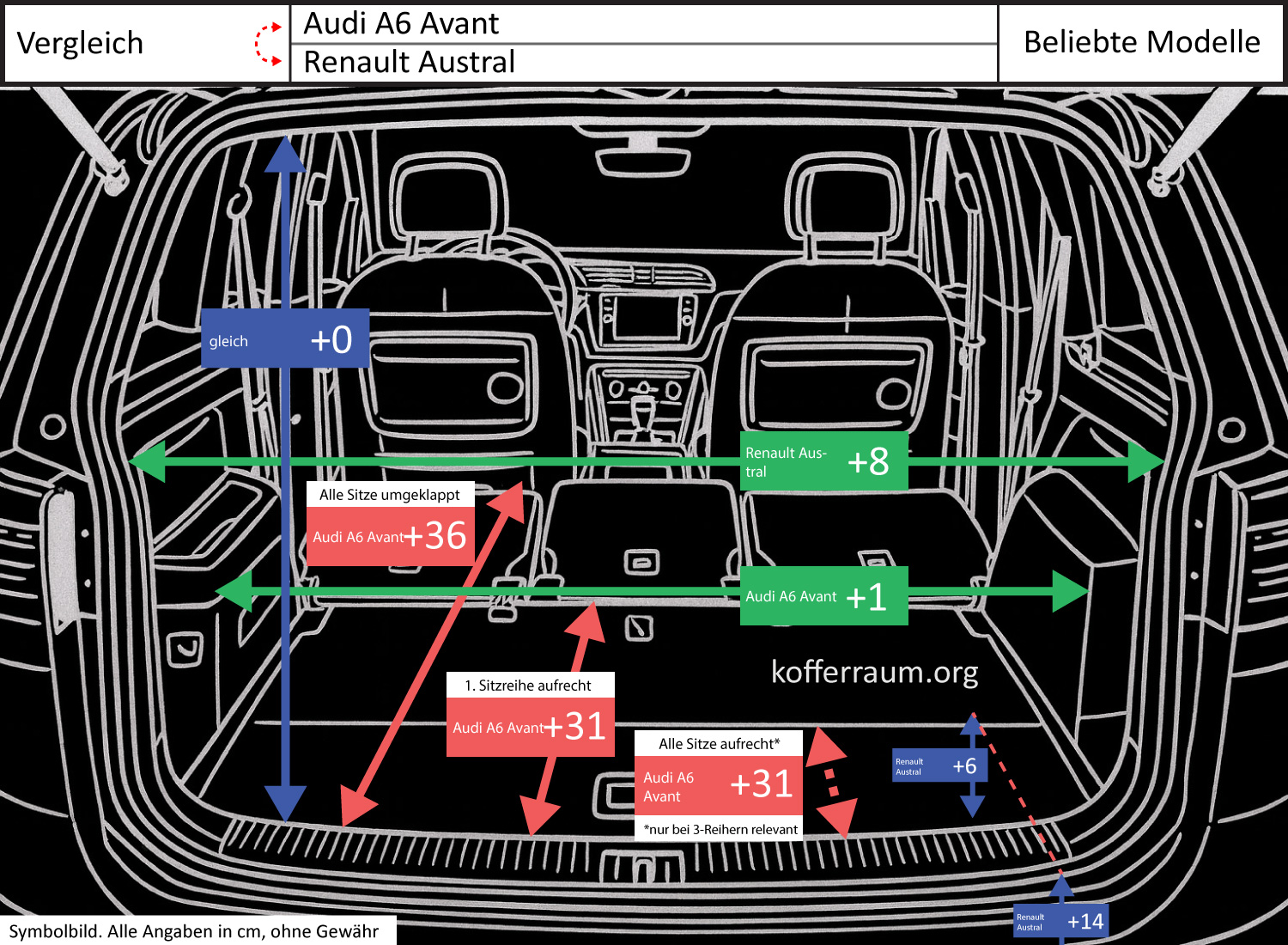
The Audi A6 Avant offers significantly more cargo length: with the seats folded down, the trunk is 14.2 in (≈23%) longer and with the first row upright, 12.2 in (≈36%) longer than in the Renault Austral. The depth of the trunk (distance from loading edge → trunk floor) is 2.4 in (≈300%) greater in the Renault Austral.
Additionally, the loading edge of the Renault Austral sits 5.5 in (≈22%) higher above the road than the Audi.
The width of the trunk opening is only 3.1 in (≈8%) larger in the Renault Austral; the narrowest interior width differs by only 0.4 in (≈1%) in favor of the Audi. The height of the trunk opening is the same in both.
Impact on Usability
Cargo length: Due to the significantly greater loading length of the A6 Avant (both with seats folded and with the seat row upright), the Audi is clearly better suited for long items (e.g., slats, long boxes, skis) and for transports where flat depth in the longitudinal direction is important.
Those who regularly transport longer parts have practically more room and fewer restrictions in the A6.
Loading height and depth: The Renault Austral has a significantly higher loading edge (+5.5 in), which makes lifting heavy or bulky items more strenuous; at the same time, its trunk floor is further "lowered" (depth increase +2.4 in), so heavy cargo sits deeper inside and is less likely to fall out easily.
Practically, this means: the Austral offers more vertical enclosure and a bit more volume feeling in the floor area but makes lifting to the loading edge more difficult. The Audi, with a lower loading edge, is more ergonomic when loading, especially for heavy loads.
Opening and interior width: The slightly wider opening of the Austral (+3.1 in) makes it easier to load wider items, but the difference is under 10% and remains moderate in practice.
The minimal interior width hardly differs, so narrow items are similarly manageable in both vehicles. Since the opening height is the same, there is no advantage here.
Conclusion: For users who transport longer items or regularly need maximum loading length, the Audi A6 Avant is the better choice. Those who prefer more depth-related interior height and a slightly larger opening—and accept the higher lifting to the loading edge—will find practical advantages in the Renault Austral.