
Trunk comparison: Audi A6 Sedan vs VW Golf Wagon (Mk5)
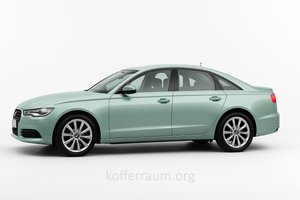
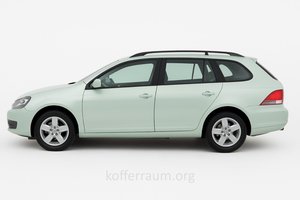
Key Differences (more than 10%)
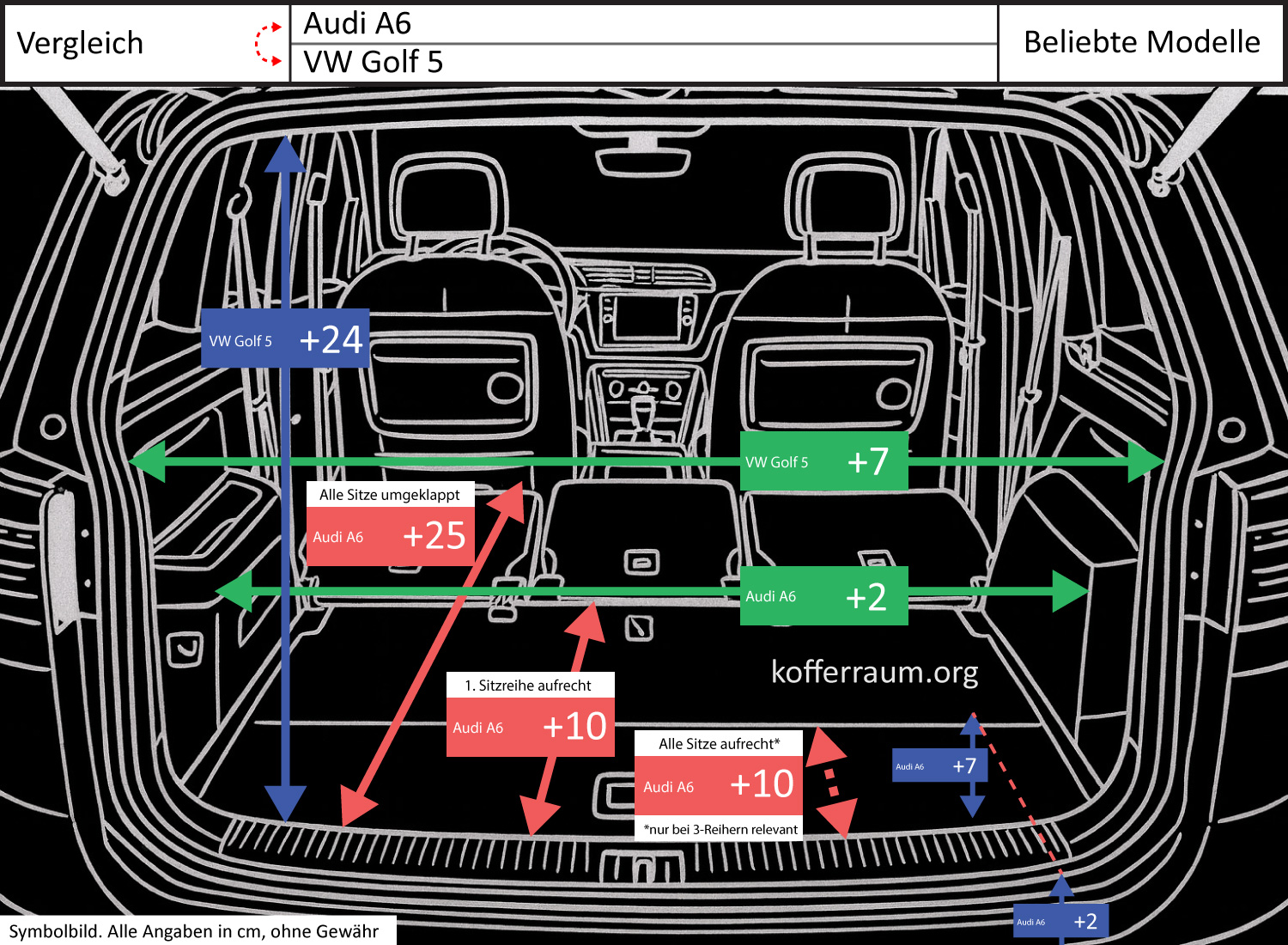
The Audi A6 offers a 9.8 in (15%) longer cargo floor length with the seats folded down than the VW Golf 5. In contrast, the Golf's trunk opening is 9.4 in (48%) higher than the A6's. Additionally, the vertical depth of the Audi's trunk (loading edge to trunk floor) is 2.8 in (140%) greater than the Golf's.
Impact on Usability
The greater length of the Audi (especially with folded seats) makes it significantly better suited for long or flat cargo such as boards, furniture parts, or longer sports equipment: such items can be more easily accommodated horizontally.
The greater trunk depth in the A6 also means that cargo sits deeper in the cargo space, creating more usable volume for lower items; at the same time, lifting/placing heavy items can be somewhat less convenient because they must be lifted or lowered further.
The Golf benefits from the significantly higher trunk opening: loading tall or bulky items in an upright position is easier, and there is more vertical clearance for passing through tall boxes, plants, or equipment.
The slightly wider opening of the Golf (a smaller difference) also supports this. Overall, this means: for tall, bulky cargo the Golf is more practical in everyday use; for long or flat cargo the Audi has the advantage.
Smaller differences (A6 loading edge +0.8 in, front cargo floor length +3.9 in in the A6, width at the narrowest point +0.8 in in the A6, Golf opening width +2.8 in) have only minor practical effects and do not change the fundamental usability.
Summary
Audi A6: better for long, flat cargo and larger volume due to deeper cargo space. VW Golf 5: better for tall, bulky items thanks to significantly higher opening. The choice depends on the typical loading profile.