Trunk comparison: BMW i4 vs Skoda Octavia Wagon
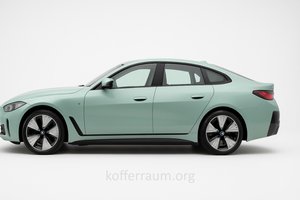
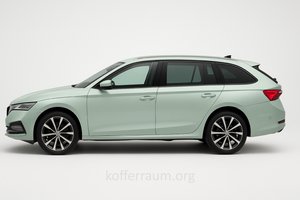
Key Differences
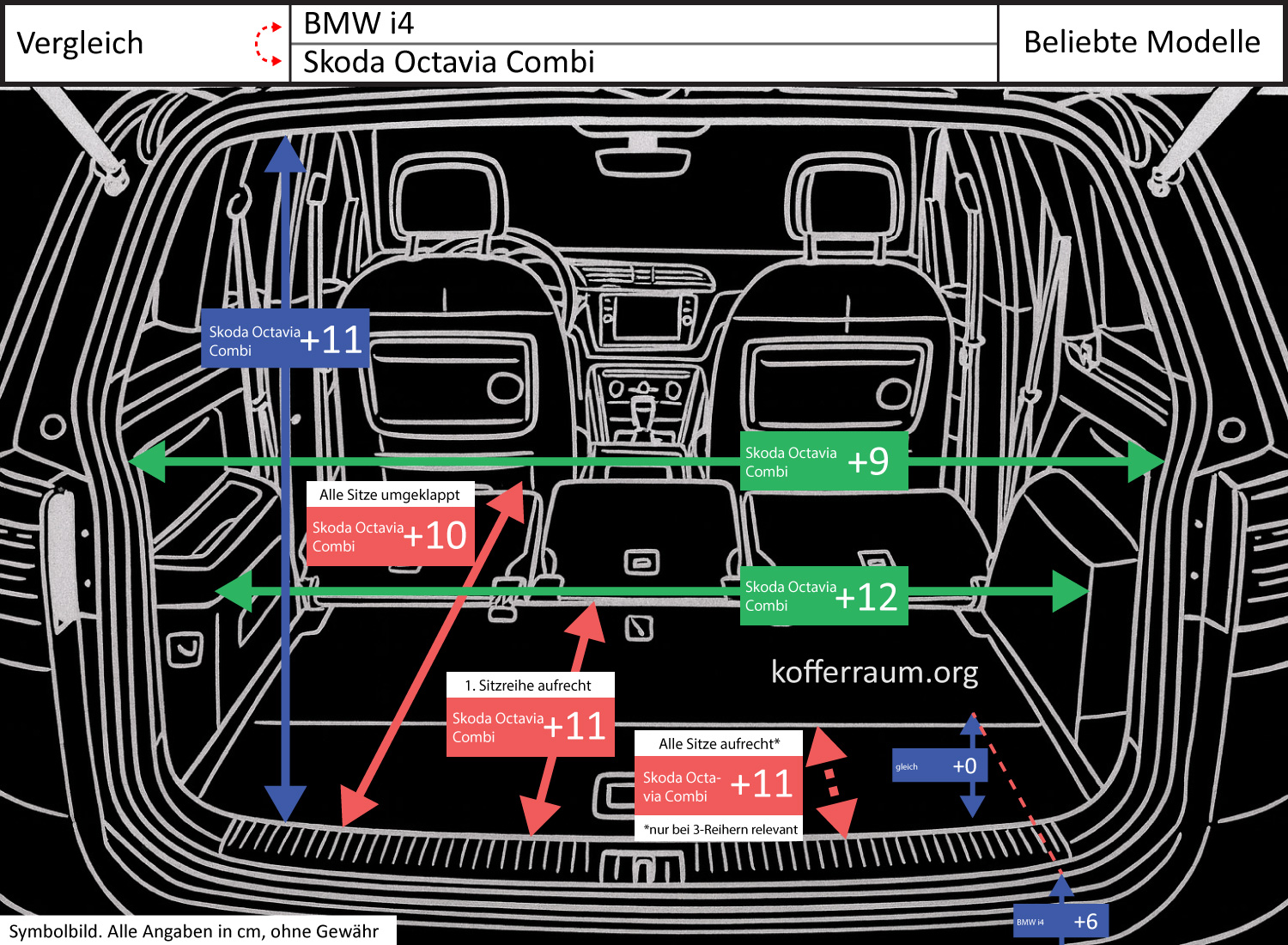
The Škoda Octavia Wagon offers more usable space in several practical dimensions than the BMW i4. Notably: the 4.3 in (11%) longer cargo area with the rear seats upright, the 4.3 in (16%) higher trunk opening, and the 4.7 in (14%) greater width at the narrowest point.
Impact on Usability
The 4.3 in longer cargo floor with the rear seats upright means the Octavia Wagon can better accommodate everyday luggage, rolling suitcases, or longer items without folding down the rear seats. This is a clear advantage for users who regularly travel with passengers and luggage simultaneously.
The 16% higher trunk opening of the Octavia significantly eases loading and unloading of tall or bulky items: boxes, plants, or furniture parts can be stored more easily and with less risk of hitting the roof opening. This increases everyday practicality when transporting awkward cargo.
The 14% greater width at the narrowest point allows for storing wider goods (e.g., larger boxes or wide sports equipment) without complicated turning or maneuvering. This noticeably expands the usable cargo space for irregularly shaped or wide loads.
For comparison: with the seats fully folded down, the length differences are minor (about 6%), and the width of the trunk opening is only about 10% larger—both less pronounced advantages than the points mentioned above.
The loading edge of the BMW i4 is higher (+2.4 in), making lifting heavy items somewhat more strenuous, but this difference is below the 10% threshold and thus less significant for the overall assessment.
Conclusion
For users frequently traveling with passengers and luggage, or transporting tall or wide loads, the Škoda Octavia Wagon offers tangible advantages through its longer usable cargo floor with rear seats upright, higher opening, and greater interior width.
For pure transport tasks with folded seats, the models are closer in comparison.