
Trunk comparison: BMW i4 vs VW T-Roc
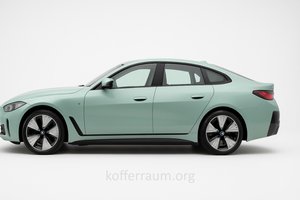
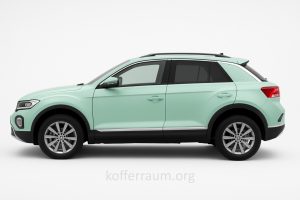
Key Differences
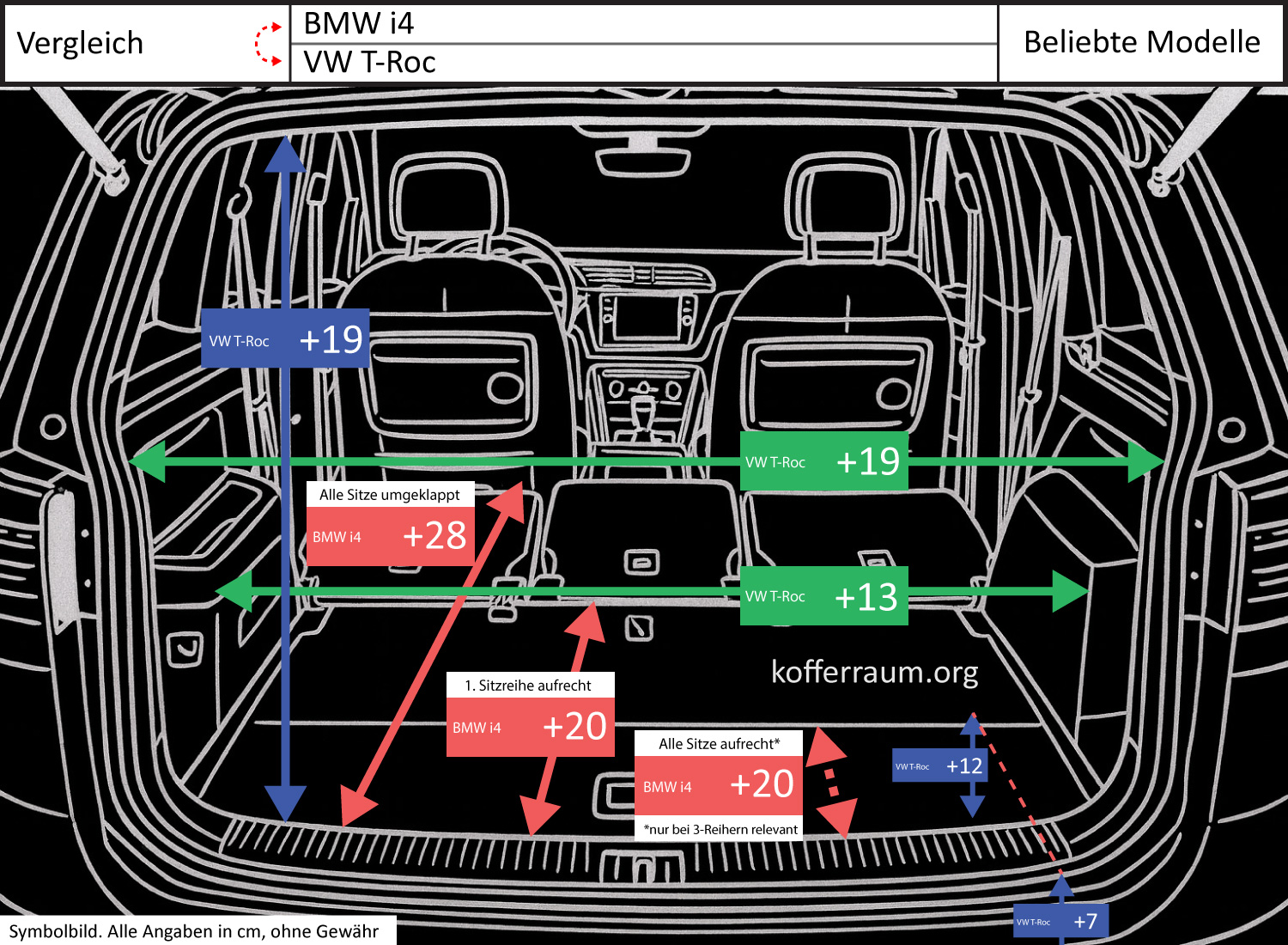
The BMW i4 clearly leads with elongated cargo: with the seats folded down, the trunk is 11 in (19%) longer than in the VW T-Roc, and with the first row upright, it is even 7.9 in (26%) longer.
In contrast, the VW T-Roc scores with height and width: the height of the trunk opening is 7.5 in (28%) larger, the depth from the loading edge to the trunk floor is 4.7 in (120%) larger, the narrowest width inside the trunk is 5.1 in (15%) larger, and the width of the trunk opening is 7.5 in (20%) larger.
The loading edge itself is 2.8 in (10%) higher above the road in the T-Roc (this difference is exactly 10% and is not highlighted).
How These Differences Affect Usability
Because the BMW i4 offers significantly longer loading areas, it is better suited for long items, e.g., skis, slats, long furniture parts, or when transporting items that need to be laid flat. Those who frequently carry elongated loads benefit from the greater usable depth.
The VW T-Roc is better for wide or tall cargo: the larger opening and greater interior width make it easier to load bulky boxes, large suitcases, or wide furniture pieces.
The greater depth/height in the cargo area also allows stacking taller or bulkier items. The slightly higher loading edge (by 2.8 in) can make lifting heavy loads a bit more difficult but is not an advantage for the i4 in terms of space.
In summary: BMW i4 = advantage in length and transport of long goods; VW T-Roc = advantage in height, width, and for bulky, awkward, or stackable items.