
Trunk comparison: BMW iX1 vs Peugeot 308 SW 3-row
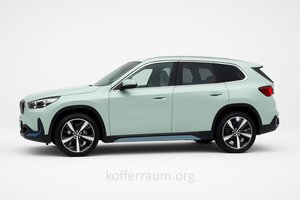
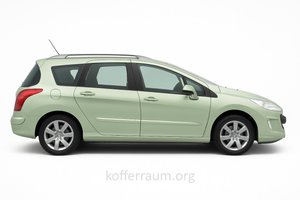
Key Differences
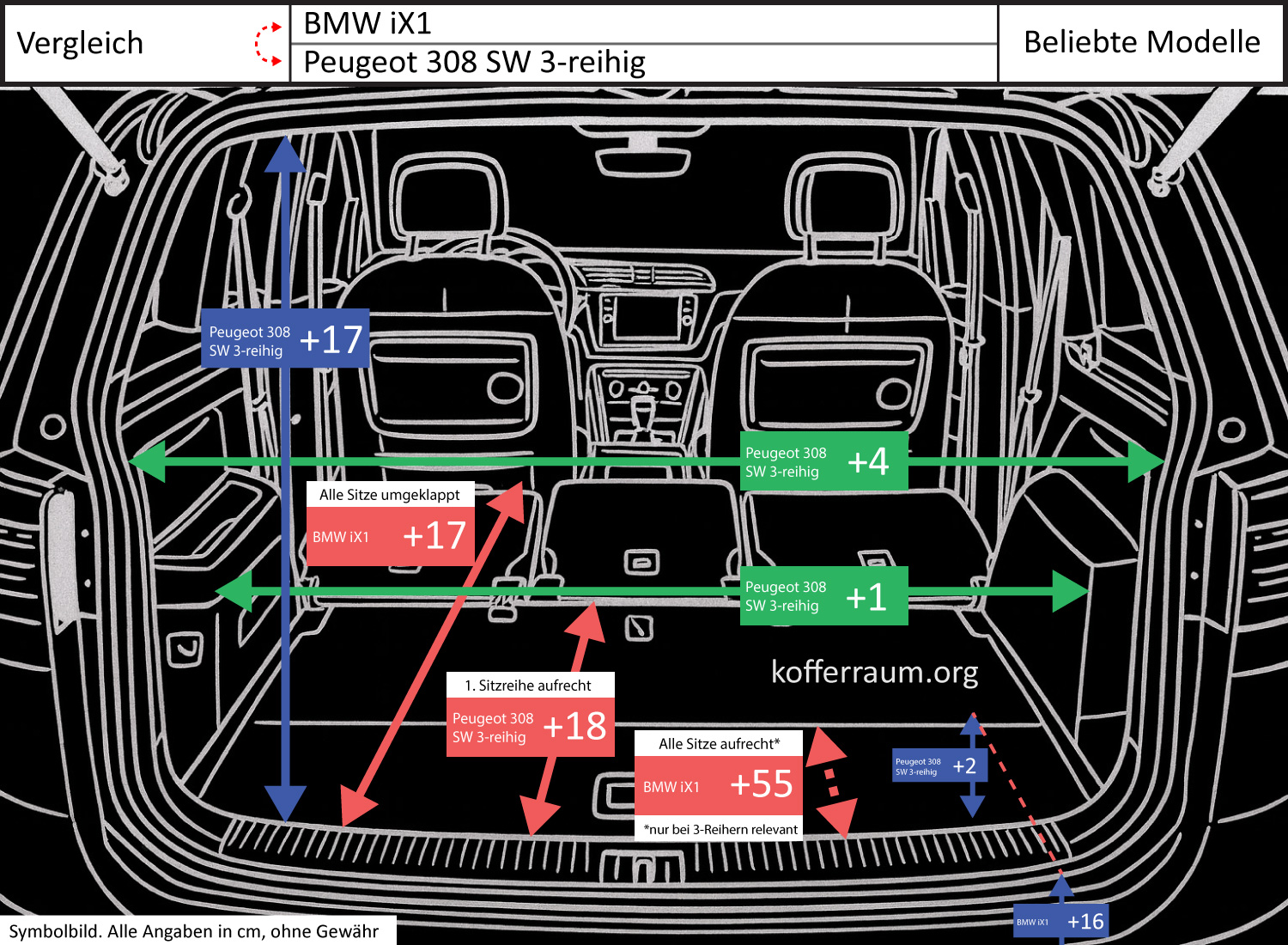
Clear pros and cons emerge in the loading concept: the BMW iX1 offers a significantly larger trunk with all seats upright (+21.7 in / +157%), while the Peugeot 308 SW with the first row upright has more cargo space than the iX1 (+7.1 in / +20%).
When all seats are folded down, the iX1 still has a slightly longer cargo floor (+6.7 in / +12%).
Regarding loading dimensions, the Peugeot has two notable advantages: the trunk opening is higher (+6.7 in / +24%) and the depth from the loading edge to the trunk floor is slightly greater (+0.8 in, indicated here as 100%, but absolutely only 0.8 in).
The BMW, on the other hand, has a significantly higher loading edge to the road (+6.3 in / +29%), which makes lifting heavy items more difficult.
Implications for Usability
For users who often travel with all passenger seats occupied, the BMW iX1 offers the largest trunk with upright seating – practical for everyday use and luggage when seat folding is not desired.
Those who frequently load large items and fold down the seats also benefit slightly from the iX1 due to the somewhat longer cargo floor (with all seats folded).
The Peugeot scores in loading convenience: the higher opening and slightly greater trunk depth make storing tall or bulky items easier and improve access, especially with frequent loading and unloading (e.g., shopping, stroller).
The lower loading edge of the Peugeot makes lifting heavy loads significantly easier than the higher BMW sill.
In summary: For maximum usable height and easier loading (low loading edge, larger opening), the Peugeot 308 SW is advantageous; for a larger trunk with normal seating and overall more cargo volume with upright seats, the BMW iX1 is better suited.