Trunk comparison: BMW X3 vs Citroen C3
Biggest Differences (only >10% highlighted)
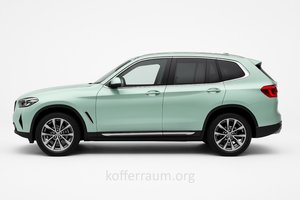
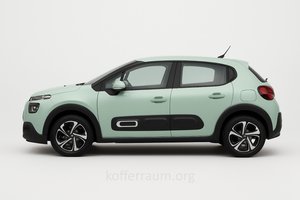
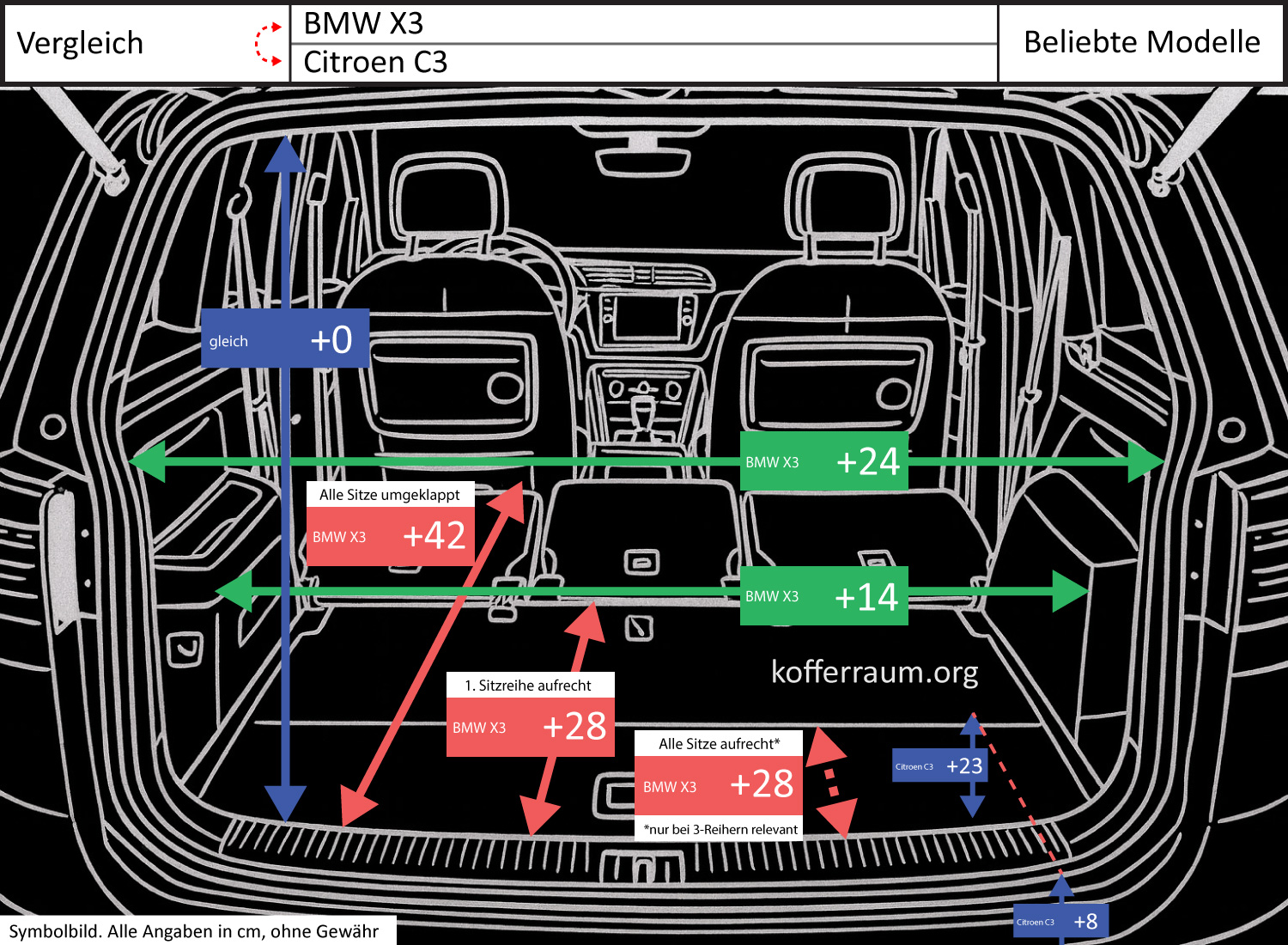
BMW X3: Longer trunk with seats folded down — The BMW X3 has a +16.5 in (31%) longer cargo space with folded seats compared to the Citroën C3.
BMW X3: Longer trunk with front seats upright — With the front seats upright, the BMW X3 is +11 in (42%) longer.
Citroën C3: Greater depth (loading edge → trunk floor) — The Citroën C3 has a +9.1 in (2200%) greater depth between the loading edge and trunk floor.
Citroën C3: Higher loading edge — The loading edge of the C3 is +3.1 in (11%) higher above the road than the BMW X3.
BMW X3: Greater width at the narrowest point — At the narrowest point, the trunk of the BMW X3 is +5.5 in (15%) wider.
BMW X3: Wider trunk opening — The opening of the BMW X3 is +9.4 in (27%) wider than the Citroën C3.
The height of the trunk opening is the same for both models.
Impact on Usability
The significantly longer cargo floor of the BMW X3 (both with folded seats and with the front row upright) makes it much better suited for long items (skis, furniture parts, long boxes) and larger amounts of luggage.
Combined with the greater width at the narrowest point and the significantly wider opening, wide or bulky items can be loaded and unloaded more easily.
For the Citroën C3, the higher loading edge (+3.1 in) and the greater depth between loading edge and trunk floor (+9.1 in) lead to different practical consequences: The higher loading edge increases the effort required to lift heavy loads in and out of the trunk (a disadvantage for frequent loading).
The greater "depth" in this sense can mean that items sit deeper in the cargo area and are therefore harder to reach when loading or that smaller items can more easily "hide" — this is rather disadvantageous for frequent, uncomplicated loading of large or heavy items.
Since the trunk opening heights are identical, there is no advantage for very tall cargo in vertical clearance; the BMW mainly wins in length, width, and easier handling of bulky goods, while the Citroën remains more compact for smaller, lower, or city-appropriate transport but has disadvantages with heavy or bulky loads.