
Trunk comparison: BMW X3 vs Hyundai Kona
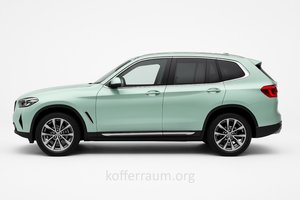
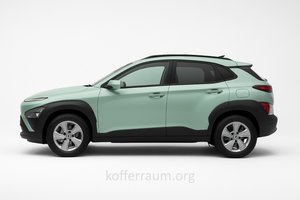
Key Differences
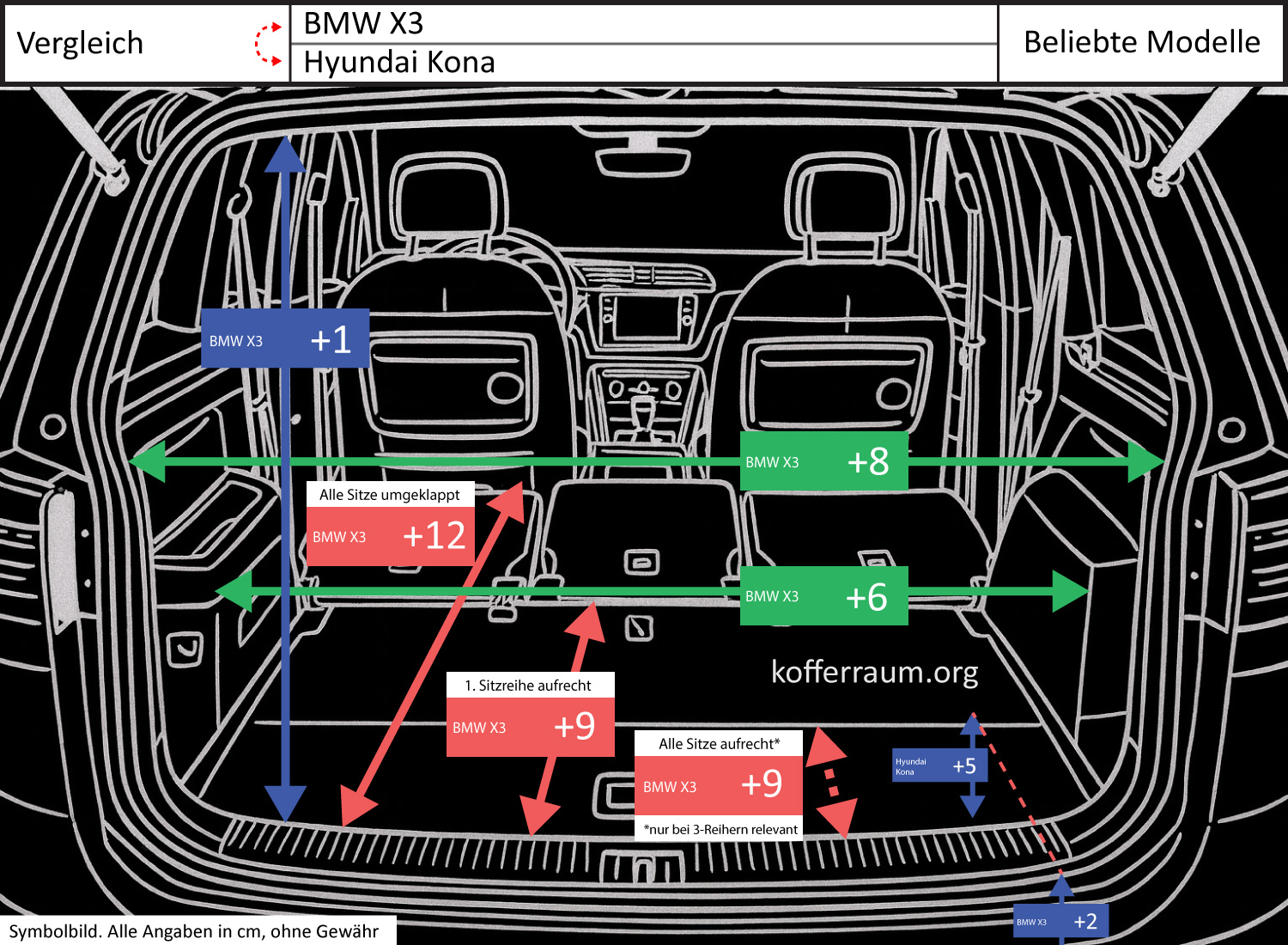
Only one measured difference exceeds the 10% mark: the trunk depth (loading edge → trunk floor) of the Hyundai Kona is 2 in or 400% greater than that of the BMW X3. All other figures are below or at 10%: BMW X3 is longer with folded seats (+4.7 in / 7%) and with the first row upright (+3.5 in / 10%), trunk opening height +0.4 in (1%), BMW loading edge +0.8 in (3%) above the road, narrowest width +2.4 in (6%) and opening width +3.1 in (8%) in favor of the BMW.
Impact on Usability
The significantly greater depth of the Kona means a deeper loading floor below the loading edge.
Practically, this means: more vertical storage space in the trunk area (good for tall or bulky items that fit below the loading edge) and in many cases somewhat better securing of cargo in the "trunk well." Additionally, the Kona’s lower loading edge provides slightly easier access when lifting heavy items.
The BMW X3, on the other hand, offers more horizontal loading space: a somewhat longer cargo area (especially with folded seats and with the first row upright) as well as a wider opening and greater width at the narrowest point.
This makes the X3 more practical for long or wide items (skis, furniture panels, wide suitcases) that would not fit into the deep well of a Kona. The X3’s loading edge, which is 0.8 in higher, means slightly more effort when lifting heavy loads in.
Conclusion
If you frequently transport tall or bulky items inside the trunk below the loading edge and value a lower loading edge, the Hyundai Kona is the better choice due to its significantly greater depth.
If you more often transport long or wide cargo and benefit from a longer cargo area and wider opening, the BMW X3 is more practical.