
Trunk comparison: BMW X5 vs Hyundai IONIQ
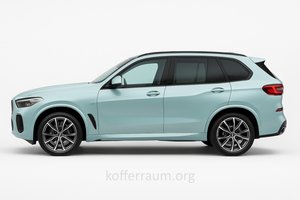
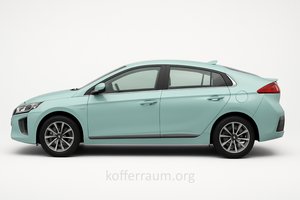
Key Differences
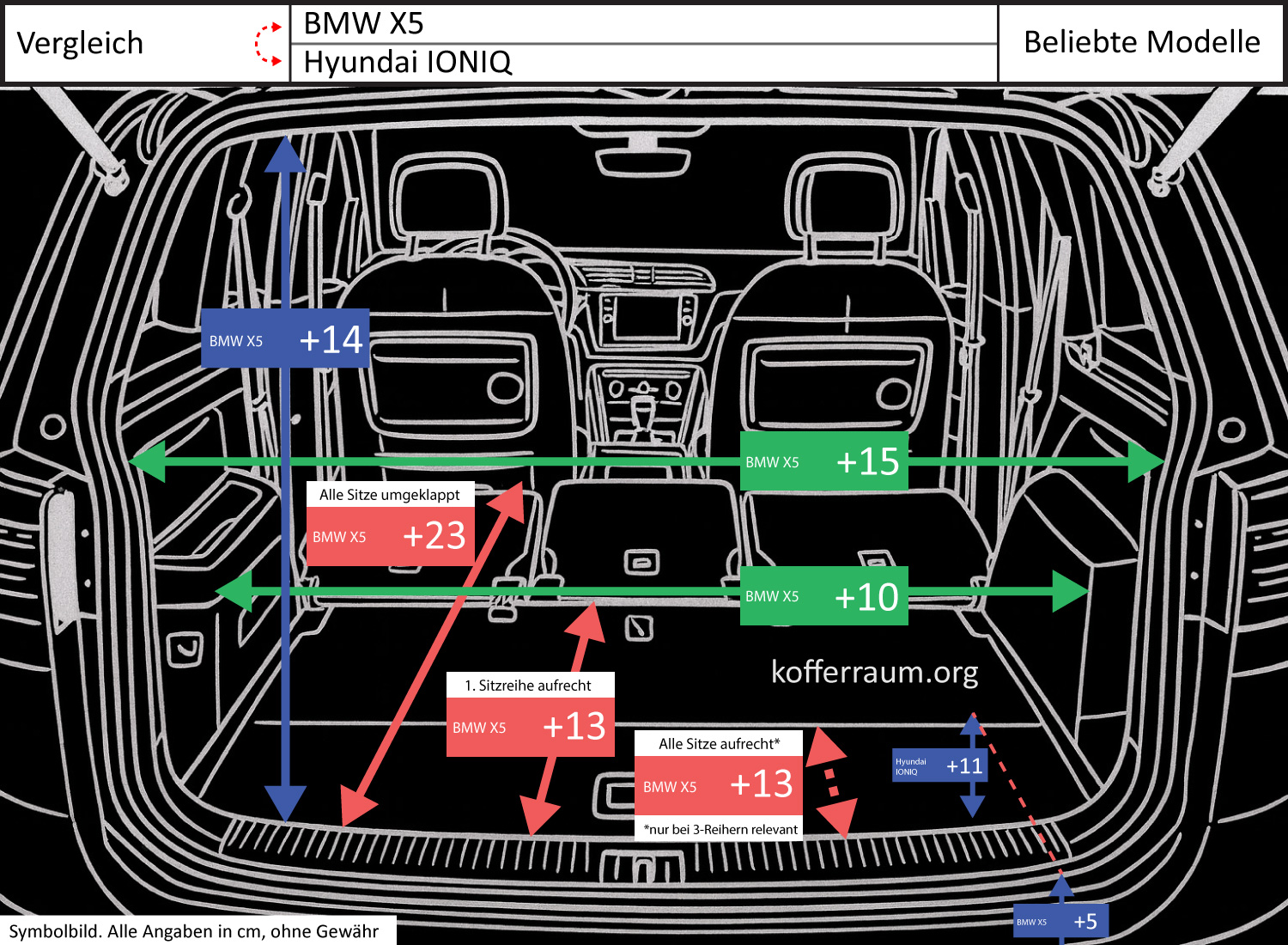
The BMW X5 offers more cargo length: with the seats folded down, the trunk of the X5 is +9.1 in (14%) longer, and with the first row upright, +5.1 in (14%) longer. The trunk opening of the X5 is also significantly higher: +5.5 in (21%). The width of the trunk opening is also greater on the X5: +5.9 in (16%).
In contrast, the Hyundai IONIQ has a significantly greater depth between the loading edge and the trunk floor: +4.3 in (1100%) in favor of the IONIQ. Smaller differences at or below 10%: the loading edge of the X5 is +2 in (7%) higher above the ground and the narrowest interior width of the X5 is +3.9 in (10%) larger.
Impact on Usability
Trips with long or wide items: Due to the greater cargo length and the wider, higher opening, the BMW X5 is better suited for long, wide, or bulky loads (e.g., furniture, longer moldings, bulky sports equipment). The higher opening makes it easier to slide in tall items.
Regular lifting of heavy loads: The Hyundai IONIQ has a lower loading edge (due to the greater depth from loading edge to floor) and is therefore more ergonomic when loading and unloading heavy items — less lifting effort over a short distance.
This is advantageous for frequent loading and unloading of boxes or groceries.
Compromise: The IONIQ offers more "depth" inside directly behind the loading edge but accommodates fewer long and wide items than the X5. The X5 is the better choice when maximum length, opening size, and width utilization matter; the IONIQ is more practical for frequent, ergonomic loading and unloading of heavy, compact cargo.