Trunk comparison: Dacia Duster vs Opel Astra Wagon
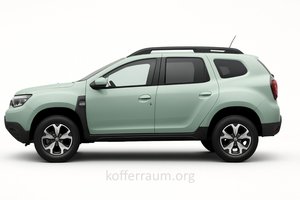
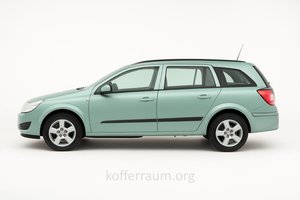
Key Differences (Summary)
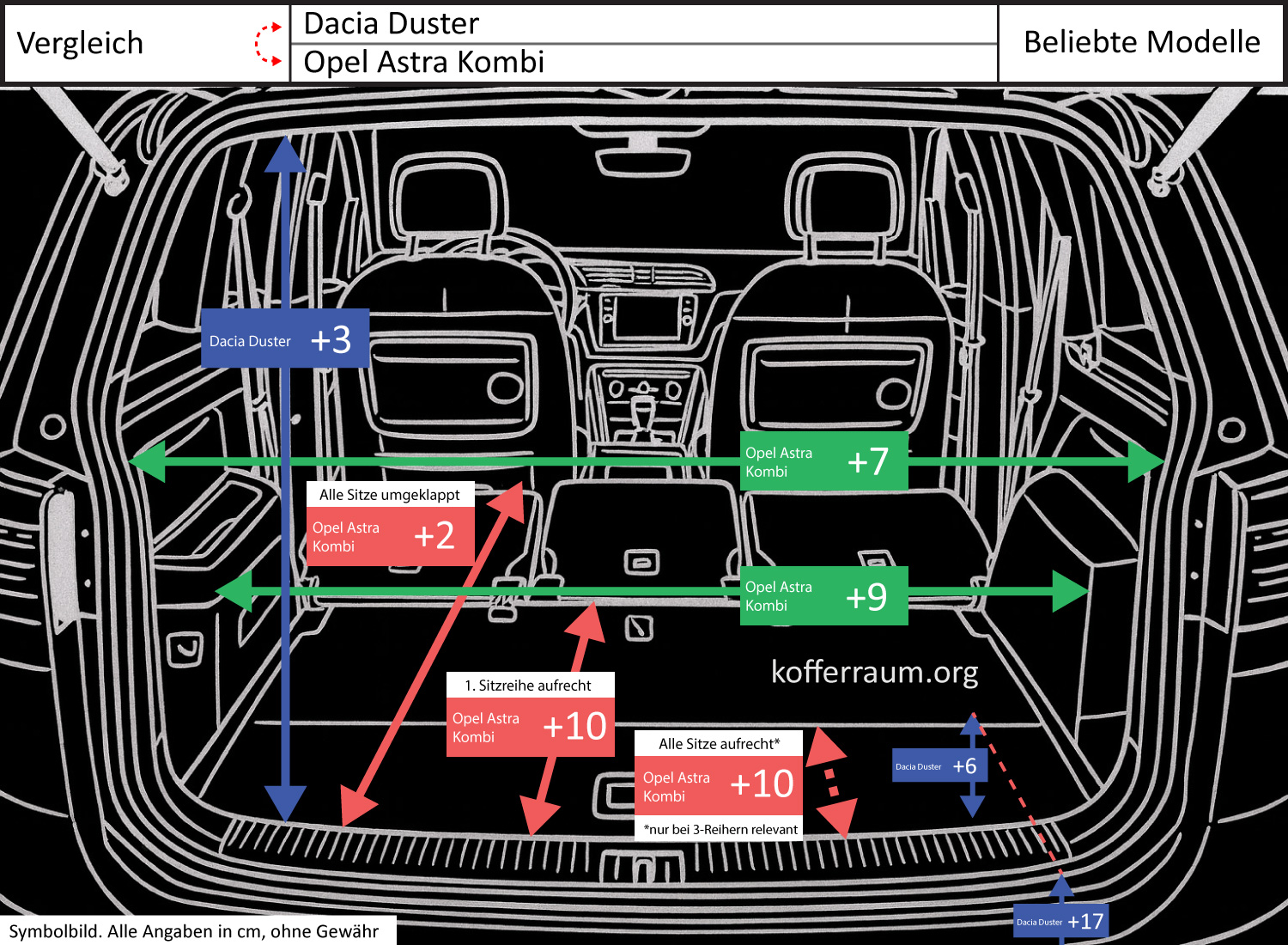
Two values stand out significantly between the two models: The Dacia Duster has 2.4 in more depth between the loading edge and trunk floor (+2.4 in / +300%) and a loading edge 6.7 in higher above the road (+6.7 in / +29%) compared to the Opel Astra Wagon.
Other differences are much smaller: the Astra offers slightly more length with the seats folded down (+0.8 in / 1%) and with the front seats upright (+3.9 in / 10%), and its narrowest trunk width (+3.5 in / 9%) and opening width (+2.8 in / 7%) are somewhat larger; the height of the Duster's trunk opening is only +1.2 in (+4%) higher.
Impact on Usability
The highlighted differences have concrete effects: Due to the significantly greater depth (distance loading edge → trunk floor), the Duster offers a more pronounced cargo "well" – meaning more usable depth/volume behind the loading edge, which helps when storing tall or bulky items.
At the same time, the much higher loading edge makes lifting heavy items into the Duster noticeably more strenuous; loading and unloading is ergonomically less favorable compared to the Astra.
The Opel Astra Wagon, on the other hand, scores with a lower loading edge and slightly greater width in the trunk: This makes lifting heavy or bulky items easier and makes wide loads (e.g., furniture boards, large boxes) simpler to handle.
The slightly greater usable length with the seats folded down (even if only marginally) supports longer, flat cargo.
Practical Recommendation
Choose the Dacia Duster if you frequently transport bulky items that need to be stacked deep in the cargo space and can accept the higher loading edge.
Choose the Opel Astra Wagon if easier, more ergonomic loading and unloading as well as somewhat more width and a lower loading edge are more important to you (e.g., for heavy boxes, furniture, or regularly changing/space-intensive cargo).