
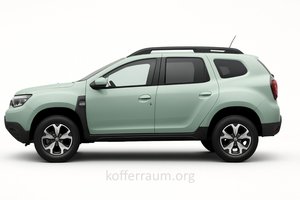
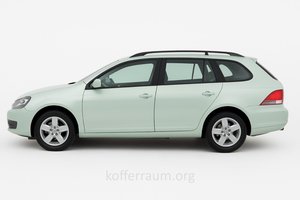
Trunk comparison: Dacia Duster vs VW Golf Wagon (Mk5)
Key Differences and Their Impact on Usability
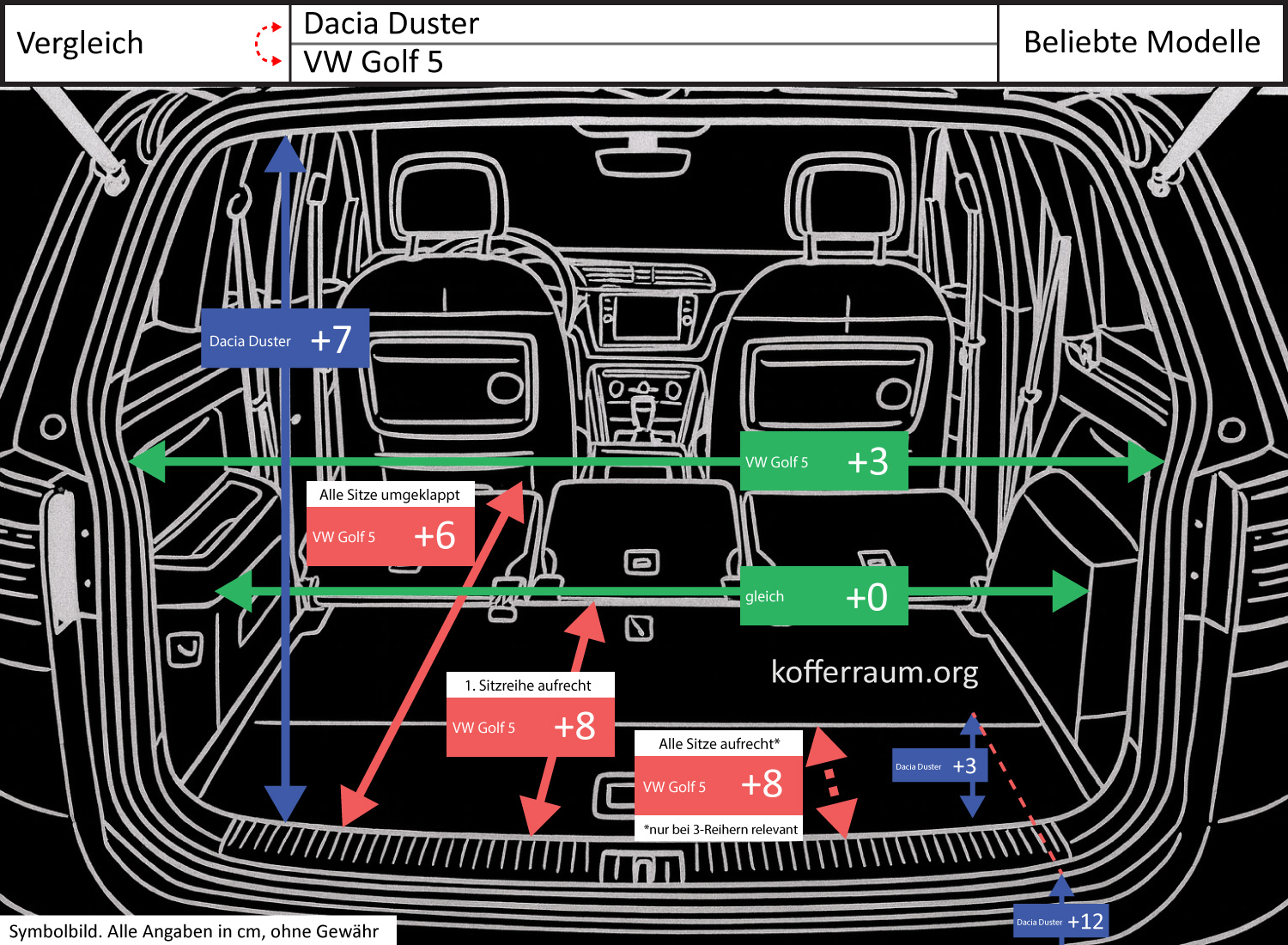
In a direct comparison, two differences stand out clearly above ten percent: The depth of the trunk (distance from loading edge to trunk floor) of the Dacia Duster is 60% greater and the loading edge of the Dacia Duster is 19% higher above the ground than that of the VW Golf 5. These two features significantly affect everyday practicality.
The 19% higher loading edge of the Duster means that heavy luggage or groceries must be lifted more forcefully; loading is ergonomically more strenuous than in the Golf, and loading bulky, heavy items is less comfortable.
For users with limited mobility or frequent transport of heavy items, the Golf is therefore more advantageous.
The 60% greater depth of the Duster's trunk means: items lie significantly deeper below the loading edge. This reduces the risk of luggage shifting during braking or being visible from above, and allows better storage of tall or block-shaped items without them protruding over the loading edge.
At the same time, the greater depth can mean that long or bulky items need to be pushed further inside when loading and unloading.
Besides these two major differences, the other differences are small: the Golf offers a slightly longer loading floor with folded seats (+4%) and with the front seat row upright (+8%), as well as a slightly wider trunk opening (+3%).
The height of the Duster's trunk opening is 9% greater, and the narrowest trunk width is identical.
These deviations have only a moderate practical effect: the Golf has a slight advantage when loading long luggage, while the Duster offers advantages in loading awkward or taller items due to opening height and deeper loading floor.
Conclusion: Those who frequently load heavy items or prioritize easy ergonomics benefit more from the VW Golf 5. Those who often transport bulky, taller, or well-sinkable luggage and want to use trunk space deeper are better served by the Dacia Duster.