Trunk comparison: Fiat Panda vs Durchschnitt Wagon
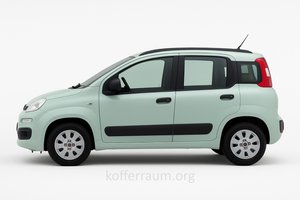
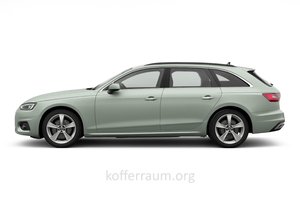
Key Differences
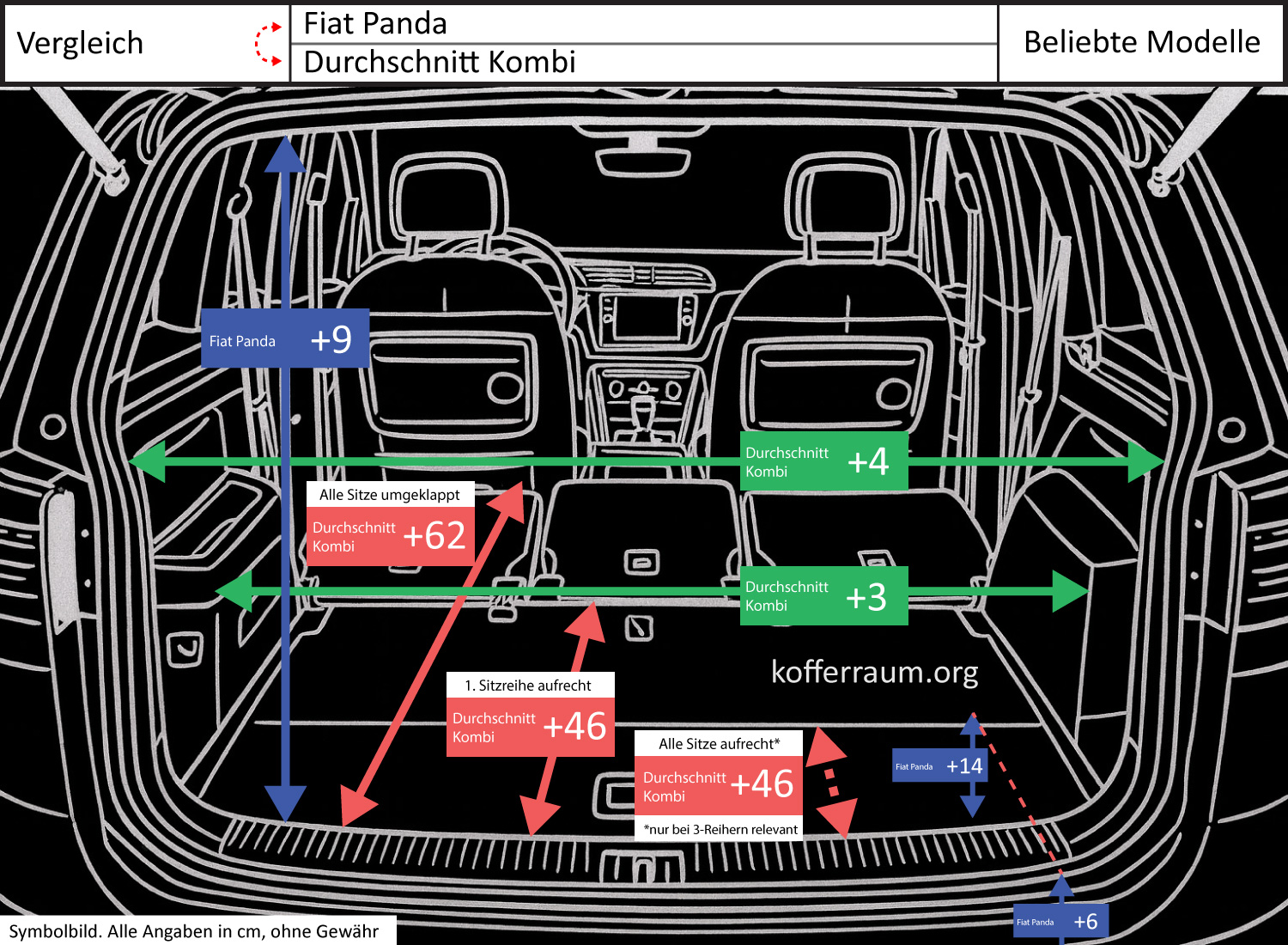
The average wagon offers significantly more loading length: with seats folded down, the trunk is 24.4 in (56%) longer and with the first row upright, 18.1 in (85%) longer than the Fiat Panda.
The Fiat Panda, on the other hand, has the advantage in vertical dimensions: the trunk opening is 3.5 in (11%) higher and the depth (loading edge → trunk floor) is 5.5 in (350%) greater than the average wagon.
Smaller differences (not >10%): the Panda's loading edge is 2.4 in (10%) higher above the ground; the narrowest trunk width is only 1.2 in (3%) larger in the wagon, the opening width in the wagon is 1.6 in (4%) larger.
Impact on Usability
Wagon — more length, more payload for long/voluminous items: The significantly greater loading length (both with folded seats and with upright seat row) makes the wagon practically superior for long items (e.g., slats, furniture parts, skis) and for larger amounts of luggage.
The slightly wider opening and interior width also make loading wider or awkward parts easier. The (slightly) lower loading edge in the wagon reduces the effort needed to lift heavy loads.
Fiat Panda — better vertical accommodation, but limited length and width: The higher trunk opening and significantly greater depth create more vertical space and a deeper cargo area, which is advantageous for tall items, upright boxes, or stacking vertically.
At the same time, short loading lengths and narrower width are clear limitations: long or wide cargo is harder or impossible to transport. The slightly higher loading edge of the Panda increases the lifting effort when loading.
Conclusion
For regular transport of long or large cargo, the average wagon is the more practical choice.
For cases where mostly tall or bulky but not long items are transported (and vertical space is more important than length), the Fiat Panda offers advantages. Smaller differences in width and loading edge height are less relevant in everyday use.