
Trunk comparison: Fiat Panda vs Volvo XC40
Key Differences and Impact on Usability
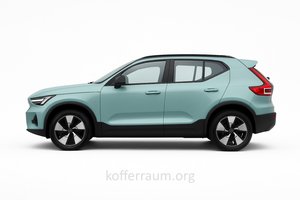
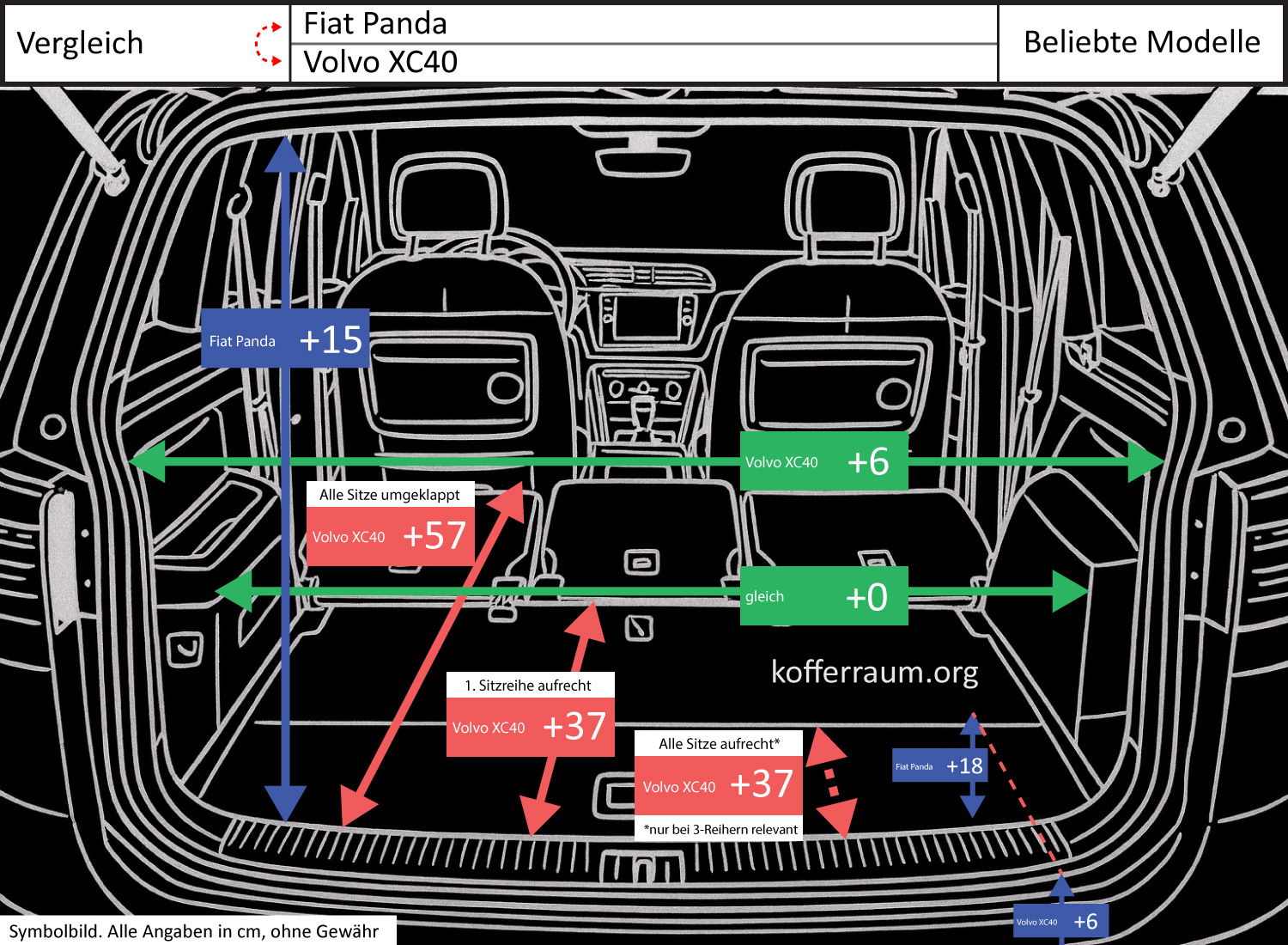
The Volvo XC40 offers significantly more cargo length: with the seats folded down, the trunk of the XC40 is 22.4 in (≈51%) longer, and with the front row upright, it is even 14.6 in (≈69%) longer than the Fiat Panda.
This makes the XC40 much better suited for long items, furniture, sports equipment, or larger moves — it can accommodate bulky or long cargo more easily without folding seats (with the seat row upright) and provides much larger cargo areas after folding down the seats.
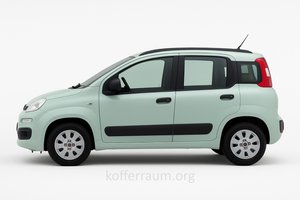
The Fiat Panda, on the other hand, scores in the vertical dimension: the height of the trunk opening is 5.9 in (≈21%) greater in the Panda, and the depth of the trunk (distance from loading edge to trunk floor) is 7.1 in (≈1700%) greater than in the XC40. Practically, this means higher and bulkier items can be more easily loaded through the opening in the Panda, and the greater interior height/"well" allows stacking or hiding taller cargo beneath the tailgate.
At the same time, the lower loading edge height in the Panda (the XC40 is only slightly higher, +2.4 in or ≈9%) often reduces the effort needed to load heavy items.
The width at the narrowest point as well as the width of the trunk opening differ very little (width differences ≈6% or equal), and they play a minor role for most everyday uses.
Conclusion on usability: Those who regularly transport long or bulky items or often drive with maximum cargo space clearly benefit from the Volvo XC40. Those who more frequently need to load tall, bulky items or heavy parts — and value a higher opening and deeper cargo well — will find practical advantages in the Fiat Panda, especially for easy, low-level loading and storing tall items.