
Trunk comparison: Hyundai i10 vs Skoda Superb Wagon
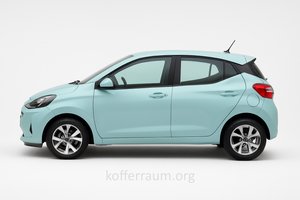
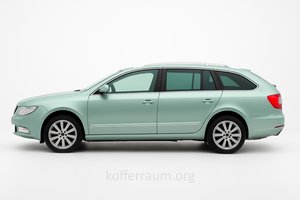
Key Differences
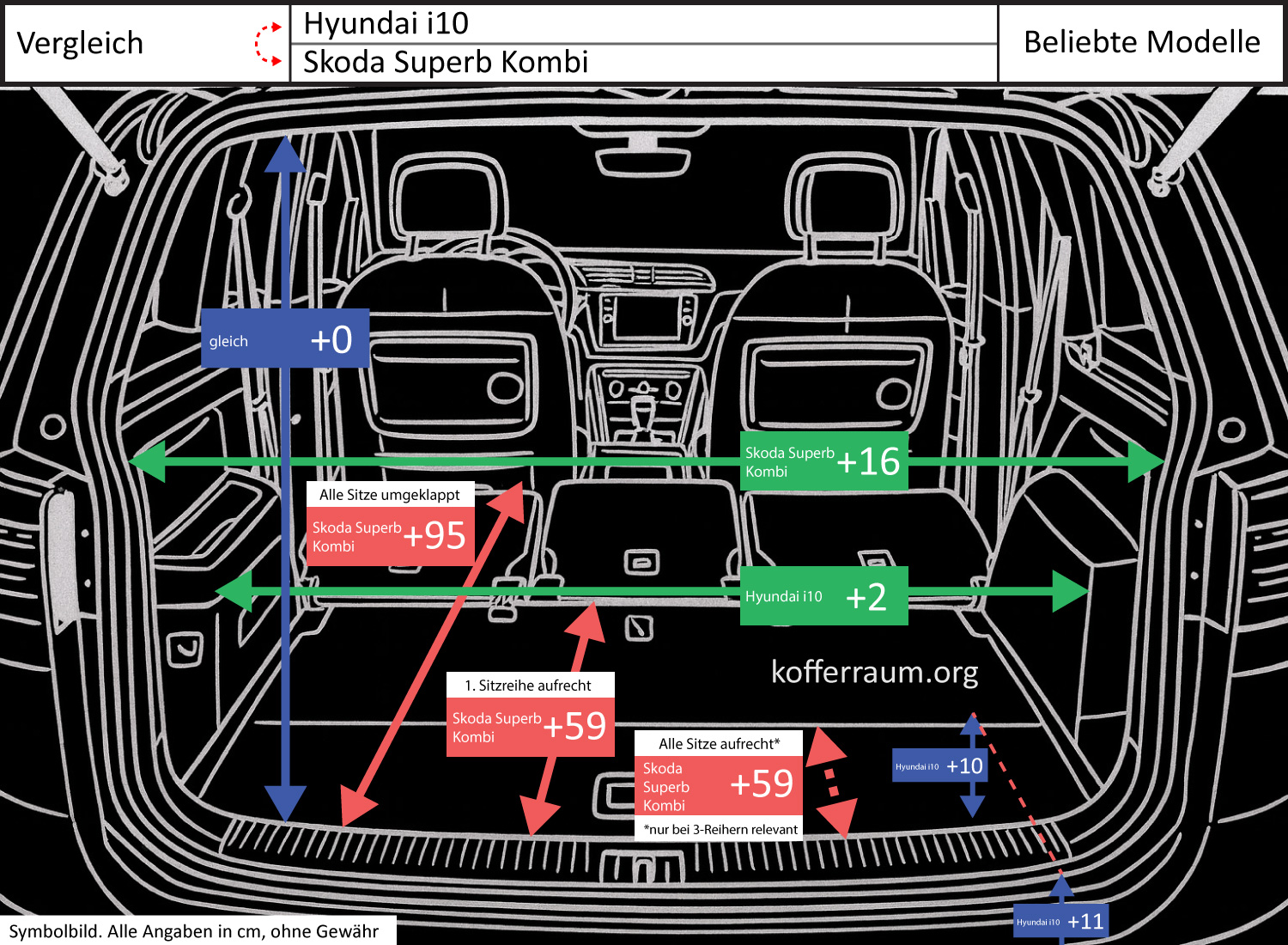
The Škoda Superb Wagon offers significantly more cargo length: with the seats folded down, the trunk is 37.4 in (81%) longer and with the first row of seats upright, 23.2 in (126%) longer than the Hyundai i10. Additionally, the Superb has a considerably larger trunk opening: the opening width is 6.3 in (18%) wider than the i10. In contrast, the Hyundai i10 has a trunk depth from the loading edge to the trunk floor that is 3.9 in (125%) greater and the loading edge overall is 4.3 in (19%) higher above the ground than the Superb; the narrowest width of the loading area is only slightly larger on the i10 (+0.8 in, 2%).
The height of the trunk opening is the same on both models.
Implications for Usability
The significantly greater length of the Superb Wagon clearly makes it superior for transporting long items (e.g., slats, long furniture parts) and for trips with a lot of luggage while fully seated: the longer cargo area makes it easier to accommodate bulky or wide loads.
The wider trunk opening of the Superb also facilitates loading and unloading wider or awkward items.
On the Hyundai i10, the higher loading edge and greater depth from the loading edge to the trunk floor lead to different practical effects: the higher loading edge (≈19% more) generally means more effort is required to lift heavy items into the trunk; the greater depth (≈125% more) can provide more vertical space between the loading edge and floor, but at the same time makes reaching items on the trunk floor more awkward.
Overall, due to its shorter length and narrower opening, the i10 remains better suited as a city car for smaller, compact loads, while the Superb Wagon is clearly the more practical choice for maximum cargo capacity and transporting bulky goods.