
Trunk comparison: Hyundai i10 vs Volvo V90
Key Differences
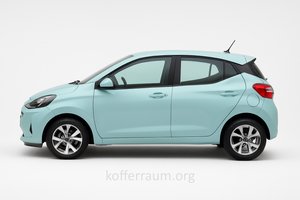
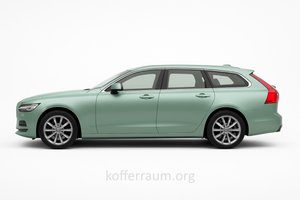
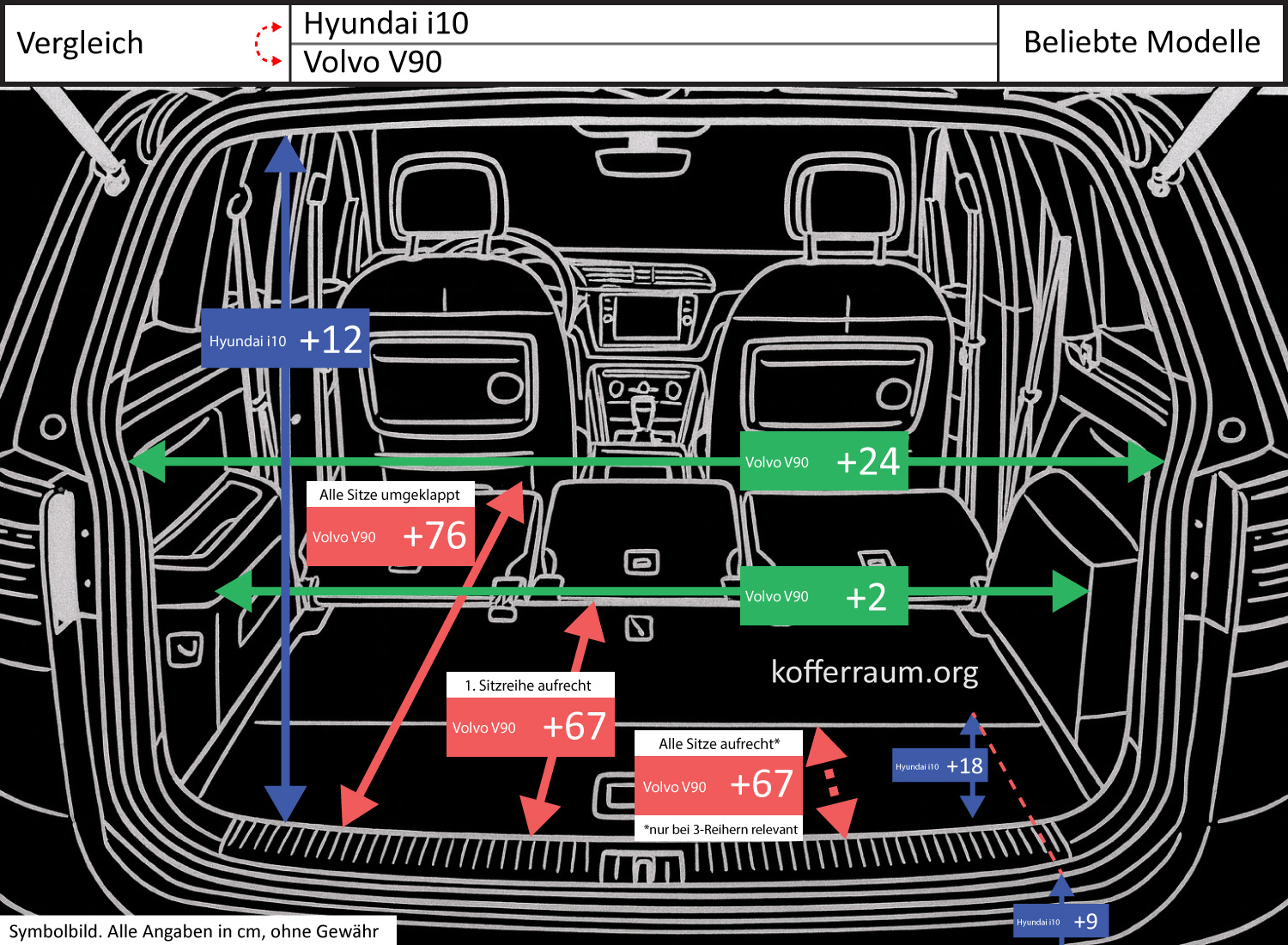
The Volvo V90 offers significantly more cargo length: with the seats folded down, its trunk is +29.9 in (64%) longer, and with the front seat row upright, +26.4 in (143%) longer compared to the Hyundai i10. The width of the trunk opening is +9.4 in (27%) larger on the V90, while the narrowest interior width is only slightly higher at +0.8 in (2%).
Conversely, the Hyundai i10 has a higher trunk opening by +4.7 in (17%), a greater depth from the loading edge to the trunk floor by +7.1 in (1700%), and a higher loading edge above the road by +3.5 in (15%).
Impact on Usability
For transporting long or bulky items, the Volvo V90 is clearly advantageous: the significantly greater cargo length and wider opening make it easier to load long furniture, slats, or straight parts and provide more usable cargo space with the seats folded down.
Due to the lower loading edge height and lower entry height, loading heavy items into the V90 is also physically less demanding.
The Hyundai i10 is better suited for more compact, taller cargo: the higher opening height and significantly greater interior depth from edge to floor allow for storing taller items within the trunk volume, provided length is not an issue.
However, the higher loading edge makes lifting heavy loads into the trunk more difficult, and the significantly shorter cargo length limits the transport of longer items.
Conclusion: Those who regularly transport long or wide loads benefit from the Volvo V90. For urban use with frequent transport of bulky but rather tall goods, the Hyundai i10 can be sufficient and more compact — though the higher loading edge is a disadvantage for heavy loads.