
Trunk comparison: Kia Ceed vs Kia Stonic
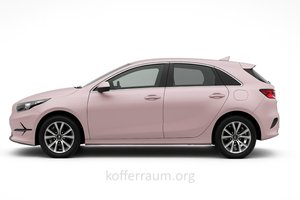
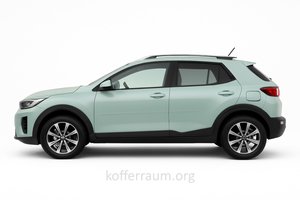
Key Differences
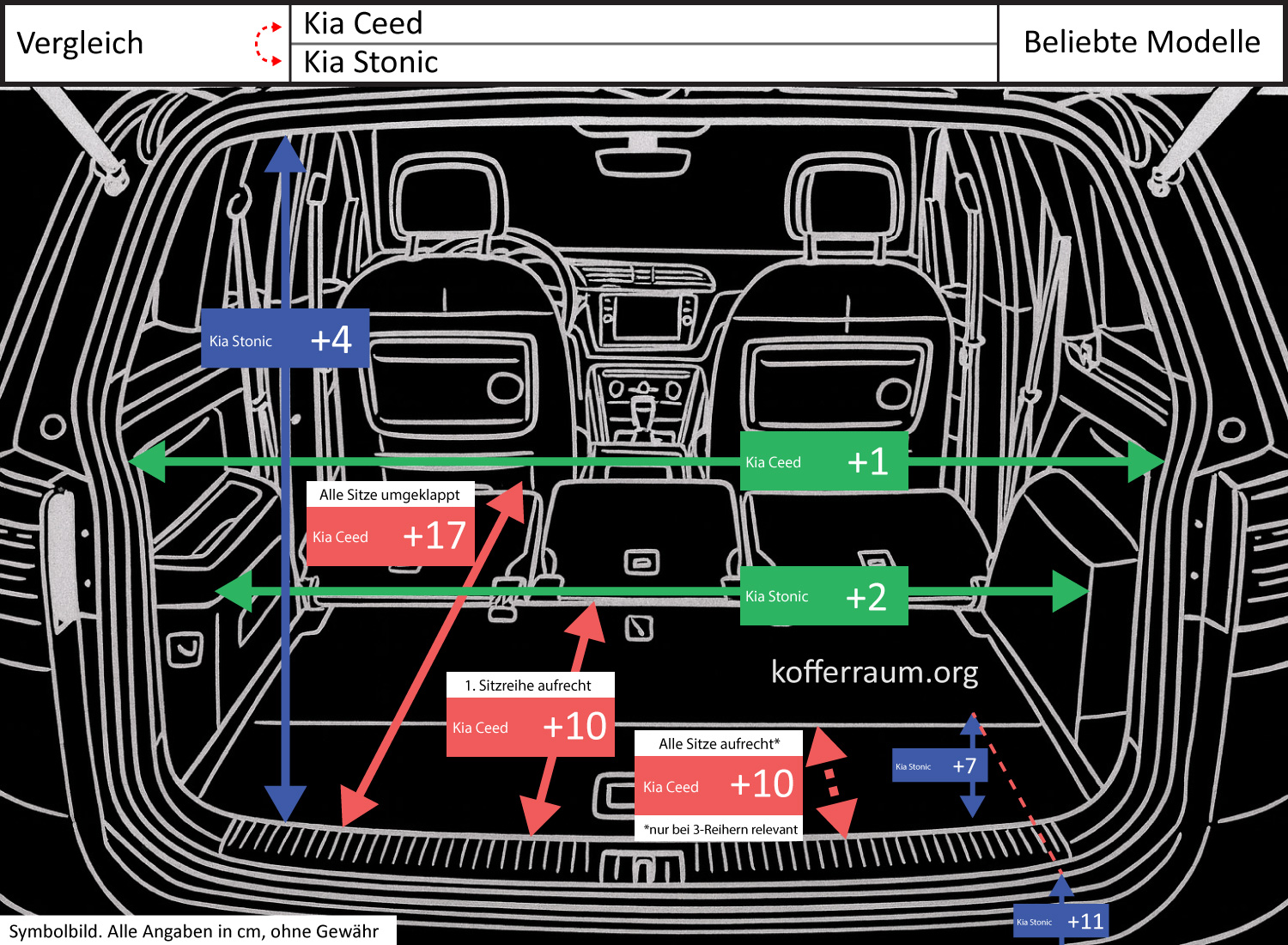
The Kia Ceed offers significantly more cargo length: with the seats folded down, the trunk is 6.7 in or +12% longer, and with the first row of seats upright, it is 3.9 in or +14% longer than the Stonic.
The Stonic’s notable advantages lie elsewhere: the depth of the trunk (loading edge to trunk floor) is 2.8 in or +64% greater and the loading edge sits 4.3 in or +17% higher above the road.
Smaller differences (opening height +1.6 in / +5%, width at the narrowest point +0.8 in / +2%, opening width +0.4 in / +1%) are rather marginal.
Impact on Usability
Due to the greater cargo length, the Ceed is more practical for long items (e.g., slats, furniture parts, skis) and offers more usable space both with and without folded seats. For users who regularly need to transport long or flat loads, the Ceed is the better choice.
The Stonic offers more “vertical space” inside the trunk due to its greater depth – this is advantageous when storing taller or stackable items. However, this comes with a significantly higher loading edge: lifting heavy items into the Stonic is more strenuous and loading/unloading bulky cargo is more cumbersome.
The slightly higher opening height can make it easier to load very tall items, but the higher loading edge and deeper cargo well can complicate handling such loads.
In short: Ceed = more advantageous for elongated and generally easier-to-access cargo; Stonic = more depth/volume in the cargo well and a somewhat different geometry, but with the disadvantage of a higher loading edge for lifting heavy loads.