
Trunk comparison: VW ID.3 vs Durchschnitt Subcompact
Key Differences
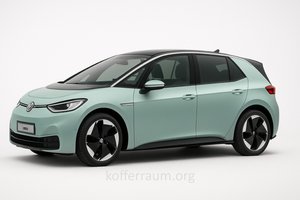
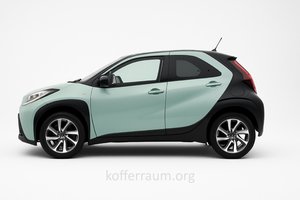
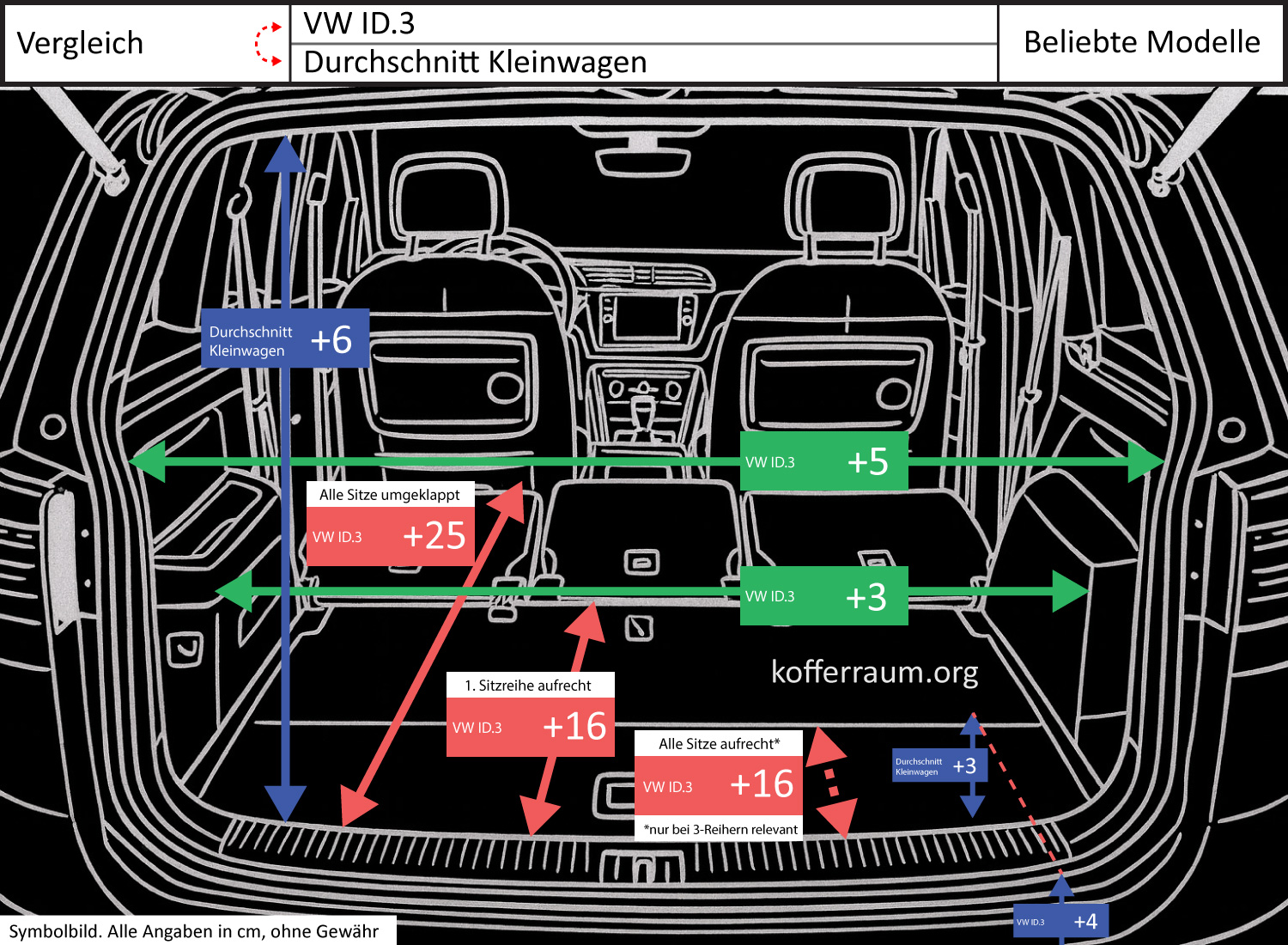
Compared to the average subcompact, the VW ID.3 offers significantly more loading length: with the seats folded down, the trunk is 9.8 in (20%) longer and with the first row upright, 6.3 in (25%) longer.
Conversely, the average subcompact has a greater trunk depth: the distance from the loading edge to the trunk floor is 1.2 in (19%) larger than in the ID.3. Other smaller differences (not highlighted) include a 2.4 in (8%) higher trunk opening in the average, a 1.6 in (5%) higher loading edge in the ID.3, as well as slightly larger width measurements in the ID.3 (+1.2 in and +2 in, approximately 3–5% each).
Impact on Usability
The longer loading dimensions of the ID.3 (especially with folded seats and also with the first row upright) improve usability for long or flat items: furniture parts, long sports equipment (e.g., skis or boards), or longer boxes can be placed inside more easily and often completely without having to adjust the front seats too much.
This is practical for moving, hobby, or weekend transports.
The greater trunk depth in the average subcompact means more usable interior height behind the loading edge. This somewhat limits the ID.3 for taller, bulkier loads: bulky, tall items may not fit as well in the ID.3 or may need to be placed at an angle.
The smaller, non-highlighted differences additionally affect everyday practicality: the lower opening height of the ID.3 (−2.4 in) can make loading very tall items more difficult; the higher loading edge (+1.6 in) makes lifting heavy loads a bit more cumbersome.
The slightly greater width and opening width of the ID.3 (+3–2 in) marginally ease storing wider items.
Conclusion: Those who frequently transport long, flat, or longer goods have a clear advantage with the ID.3. For very tall or bulky loads, the average subcompact is slightly more practical due to the greater trunk depth and higher opening.