
Trunk comparison: VW Tiguan vs Durchschnitt Compact SUV
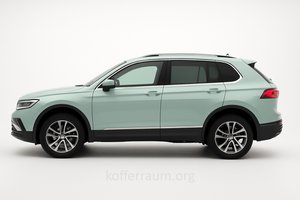
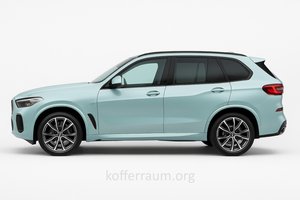

Main Differences
Three differences stand out from the comparison:
- Trunk length with seats folded down: The Volkswagen Tiguan offers +9.1 in (+15%) more length than the average.
- Trunk length with the first row of seats upright: The Tiguan is +4.3 in (+14%) longer here.
- Trunk depth (loading edge → trunk floor): The average compact SUV segment has a significantly greater depth: +5.1 in (+1300%) compared to the Tiguan.
Impact on Usability
The longer cargo areas of the Tiguan (each with >10% advantage) make it better suited for long, flat, or elongated loads — for example skis, furniture panels, or longer items that can be placed along the driving direction.
Even with the rear seat upright, the Tiguan retains more usable depth for suitcases or bulky luggage that require lengthwise space.
The significantly greater depth of the average SUV means more usable volume below the loading edge. This is practical when a lot of vertical volume is needed (e.g., many stacked suitcases, boxes, or taller items that cannot be laid flat).
Since the loading edge height is the same in both models, loading and unloading are similarly comfortable; however, the deeper floor situation in the average SUV provides more volume without raising the loading edge.
Other, smaller differences: The width of the trunk opening in the Tiguan is +12% larger (making it easier to load wide items), while the trunk opening height in the average is slightly (+7%) above that of the Tiguan (less significant).
The narrowest point in the loading area is only marginally wider (+3%) in the Tiguan and hardly plays a role in practice.
Conclusion
For users who want to transport long or flat items, the Volkswagen Tiguan is the more practical choice. Those who need more vertical volume — that is, many items stacked or bulky, voluminous cargo below the loading edge — benefit more from the average compact SUV with its significantly greater trunk depth.