
Transporting a Bicycle in the Trunk: Tips for Every Car Type
You want to take a bicycle in the car without a roof or rear rack? That is often possible – and even practical in everyday life: faster loading, less wind noise, and often cheaper than additional systems.
This guide shows you how to transport a bicycle in the trunk without chaos in the car, without scratches, and with a plan that fits your vehicle.
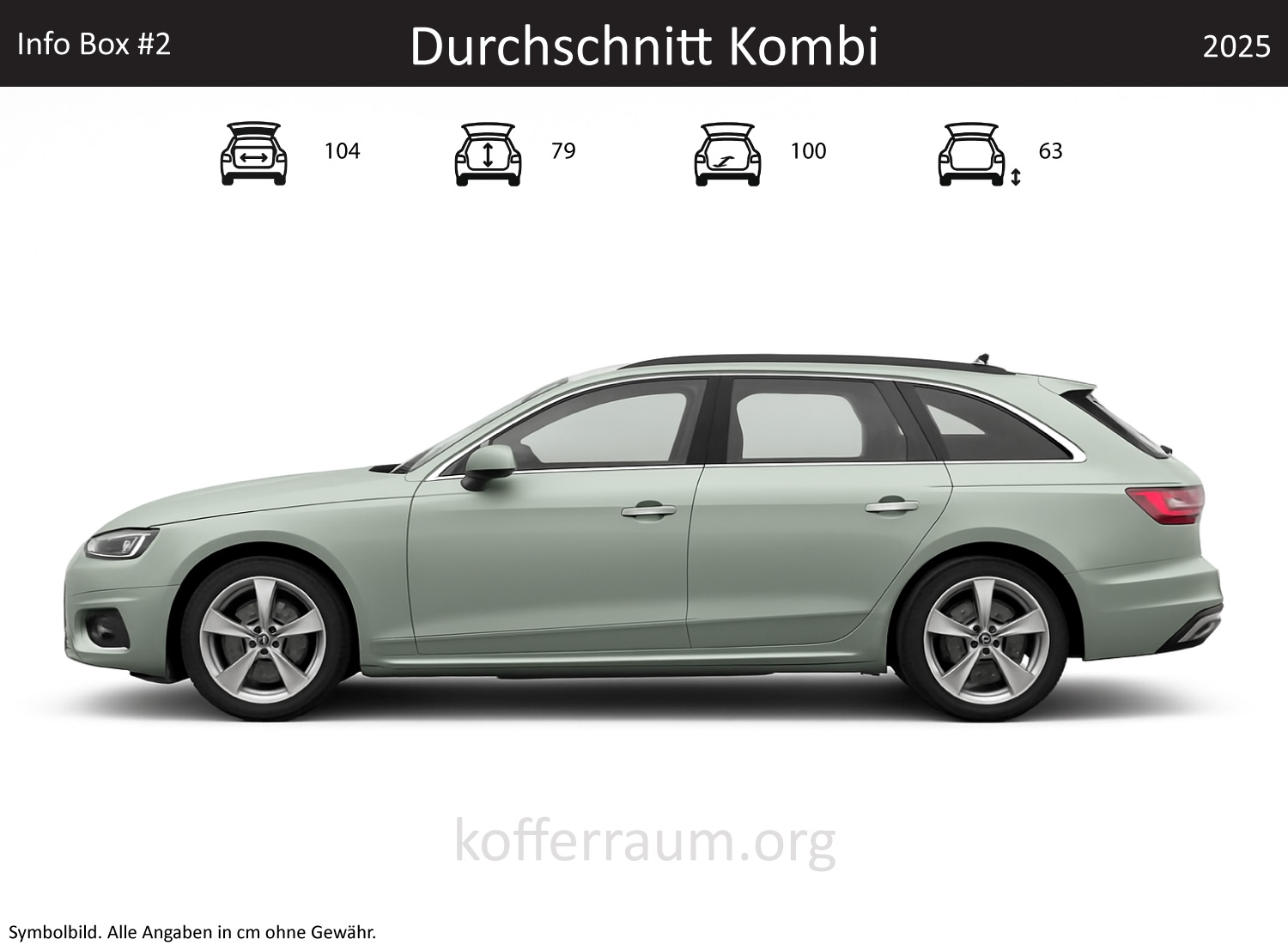
For quick orientation, kofferraum.org provides average trunk dimensions by vehicle class – helpful if you wonder whether transporting the bike is realistic for your car type: e.g. station wagon, SUV, sedan, or compact car.
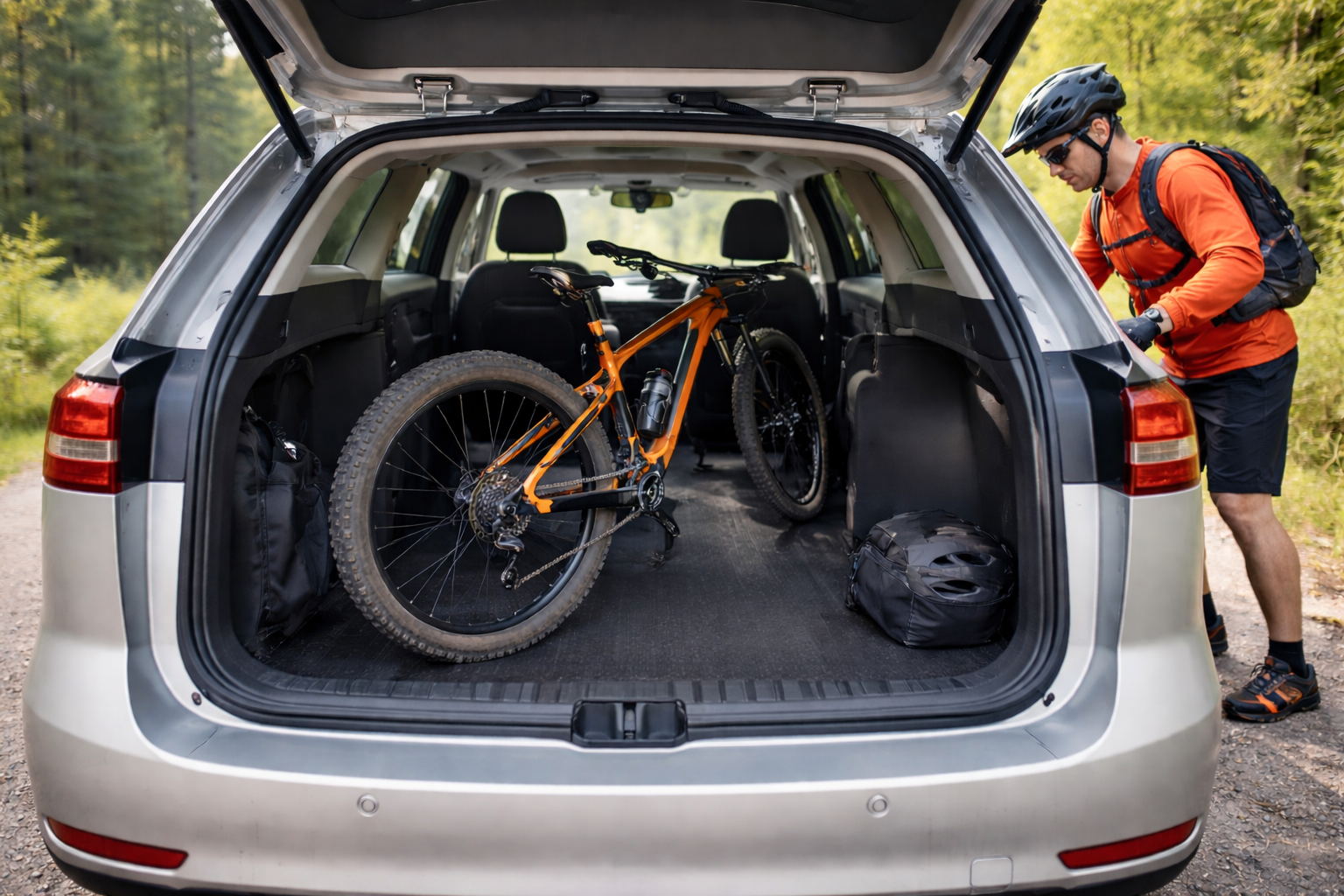
Quick Start: How to Fit (Almost) Any Bicycle in the Trunk
- Clean or cover: Chain & gears are the "dirt sources." Use a cover/protector.
- Remove front wheel (often the game changer): makes the bike significantly shorter.
- Turn handlebars sideways (if possible): saves width and prevents snagging.
- Protect the frame: Cover/padding at contact points (seat rails, wheel arches, trunk edge).
- Secure: So nothing slips or rattles (strap, Velcro, trunk anchor points).
Once you have this routine down, stowing the bike in the trunk becomes surprisingly quick.
Which Bicycles Can Be Transported in the Trunk?
Basically, transporting a bike in the car works for many types – but the effort varies:
- Road bike / Gravel: often especially easy because they are narrow and light; remove front wheel and it often fits right in.
- MTB / Trekking: somewhat wider but usually manageable; handlebar width is the most common bottleneck.
- E-bike: possible but heavy. Lifting it into the trunk may not be back-friendly.
- Kids' bike: often very easy – frequently fits additionally alongside an adult bike (depending on the car).
Tip: If your bike has very wide handlebars, it can help in small trunks to slightly turn the handlebars or remove the front wheel instead of struggling endlessly.
Preparation: What to Have Ready Before Loading the Bike into the Car
The goal: bike in without your trunk smelling like oil or having to clean for hours later.
This minimal equipment suffices for 95% of cases:
- Cover or trunk protection mat (large enough for chain/gears)
- Bike transport bag (the best choice to avoid dirt and scratches inside the car).
- An old towel strip / foam as frame padding
- Disposable gloves or a small cloth for the chain
- Strap/Velcro band for securing (so nothing slips)
- Optional: a bag for the removed front wheel
This makes transporting the bike in the car not only possible but also comfortable.
Step-by-Step: Transporting a Bicycle in the Trunk (Without a Rack)
Step 1: Prepare the trunk
- Lay out protection mat/cover (especially where chain/gears might contact).
- Remove loose items (shopping, tools, bottles) or pack them in a box.
Step 2: Make the bike "trunk-friendly"
- Remove front wheel: makes the bike shorter and easier to position.
- Mind the pedals: A pedal position "upwards" prevents scratches on the floor and saves space.
- Align handlebars: Slightly turn sideways if needed so they don't catch on the trunk opening.
Step 3: Load (position matters)
There are two typical strategies depending on car and space:
- Diagonal placement: very practical for hatchbacks and compact cars.
- Straight placement: especially relaxed for station wagons and vans.
Step 4: Secure (so nothing slips or rattles)
When transporting a bike in the car, securing it is the difference between "works" and "annoying":
Use, if available, tie-down rings or sturdy anchor points in the trunk. A ratchet strap prevents the bike from "shifting" in curves.
Transporting a Bicycle Without a Bike Rack: Advantages, Disadvantages & When It Makes Sense
Many specifically look for transporting a bike without a bike rack. There are good reasons:
- Advantages: no additional rack, no installation effort, bike better protected from weather/theft.
- Disadvantages: less space for luggage, risk of dirt inside, physically more demanding with heavy bikes (e-bike).
For spontaneous trips, road/gravel/light bikes, and vehicles with good cargo space, the trunk is often a very good solution.
If you frequently travel with multiple or very heavy bikes, a rack can be more convenient in the long run.
Bicycle in the Car by Vehicle Type
Whether transporting a bicycle in the trunk is realistic depends less on "feeling" and more on:
opening, usable depth, loading height, and whether you can fold down the rear seats.
The following tips are deliberately practical and refer to the average dimension pages by class.
Station Wagon: often the best class for bike in the trunk
A station wagon is usually the most relaxed option for bike transport inside:
long loading floor, large opening, and often enough space with folded rear seats to load a bike lying down.
- Tip: Remove front wheel, diagonal or straight – the bike often fits without complicated contortions.
- Ideal for: families, weekend trips, even two bikes depending on size/car.
Of course, roof racks on top or behind the trunk are also options for station wagons.
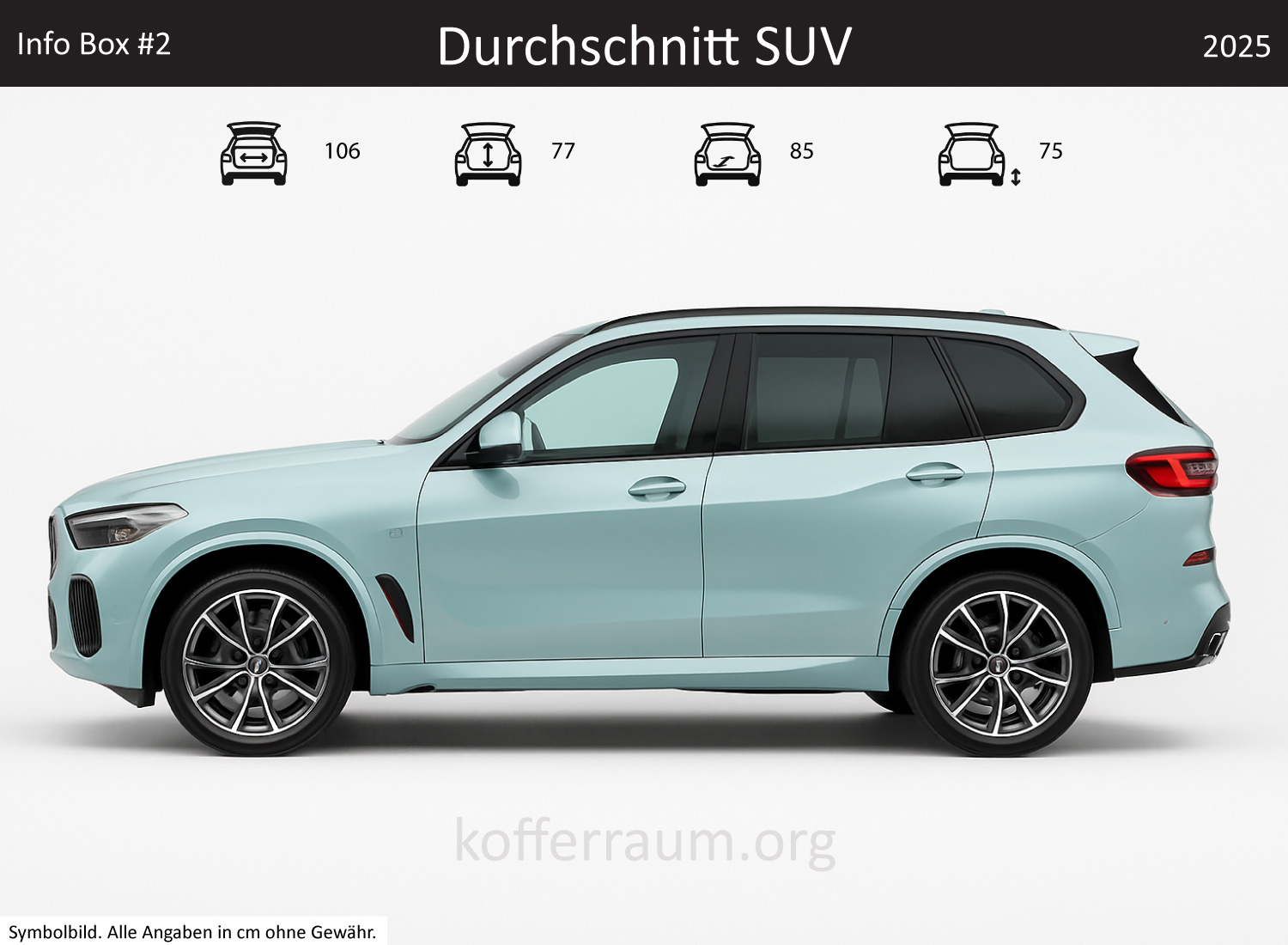
SUV – good opening, but check loading height and shape in everyday use (especially with heavy bikes).
SUV: good height, but watch loading height & shape
With an SUV, the opening is usually good, but the loading height can be higher.
This matters when lifting heavy bikes (e.g. e-bikes).
- Tip: Use a blanket on the bumper/edge so the frame doesn’t get scratched when loading.
- Ideal for: 1 bike, travel luggage, family everyday use.
A roof rack on top is often not ideal for SUVs due to height – but a hitch-mounted bike rack is also a suitable alternative to trunk transport here.
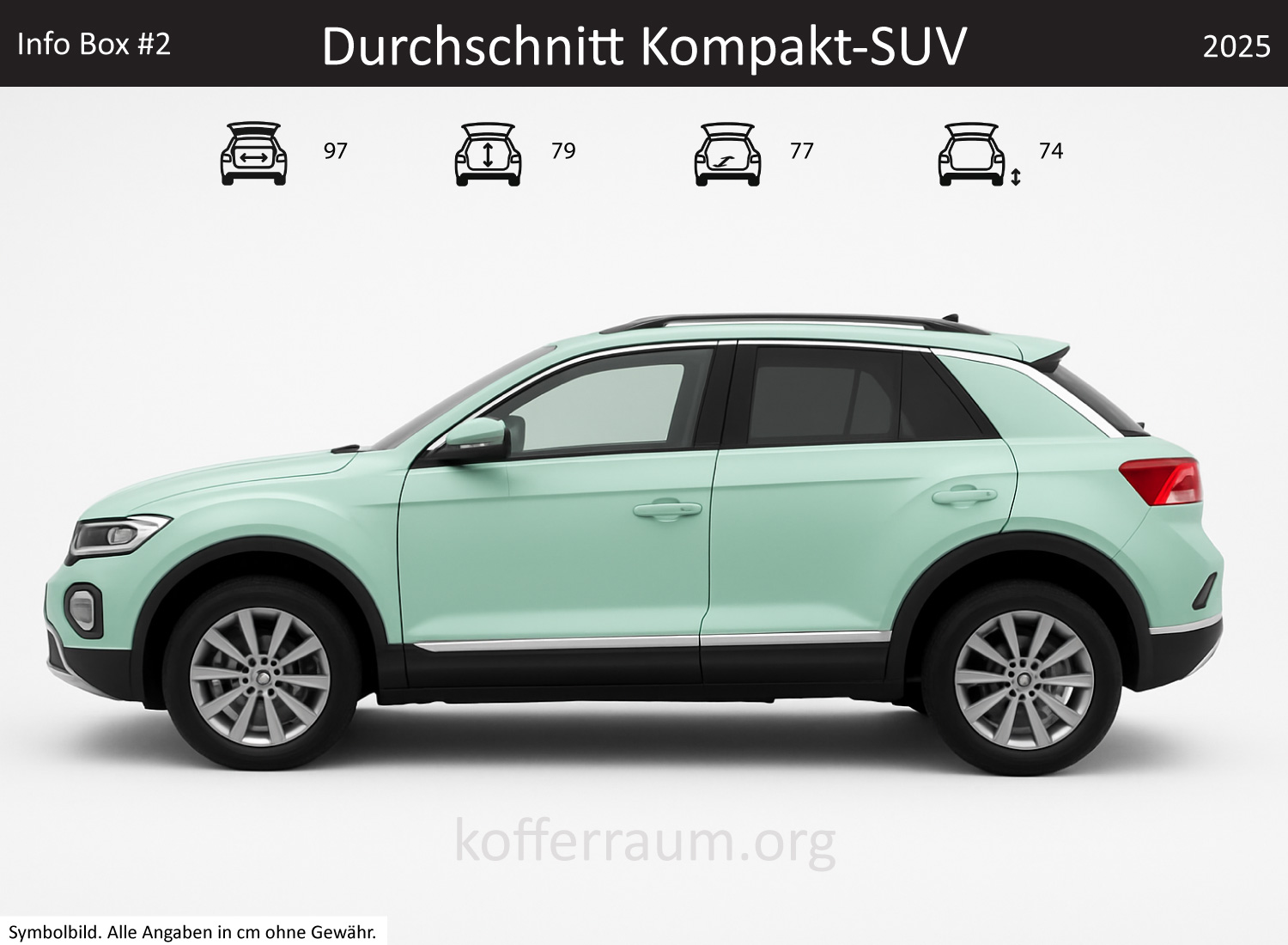
Compact SUV: popular but sometimes tighter than expected
Compact SUVs look big outside, but inside the depth with rear seats up is often limited.
If you have a large MTB, removing the front wheel is almost always advisable.
- Tip: Load diagonally and slightly turn handlebars – this solves many tight spots.
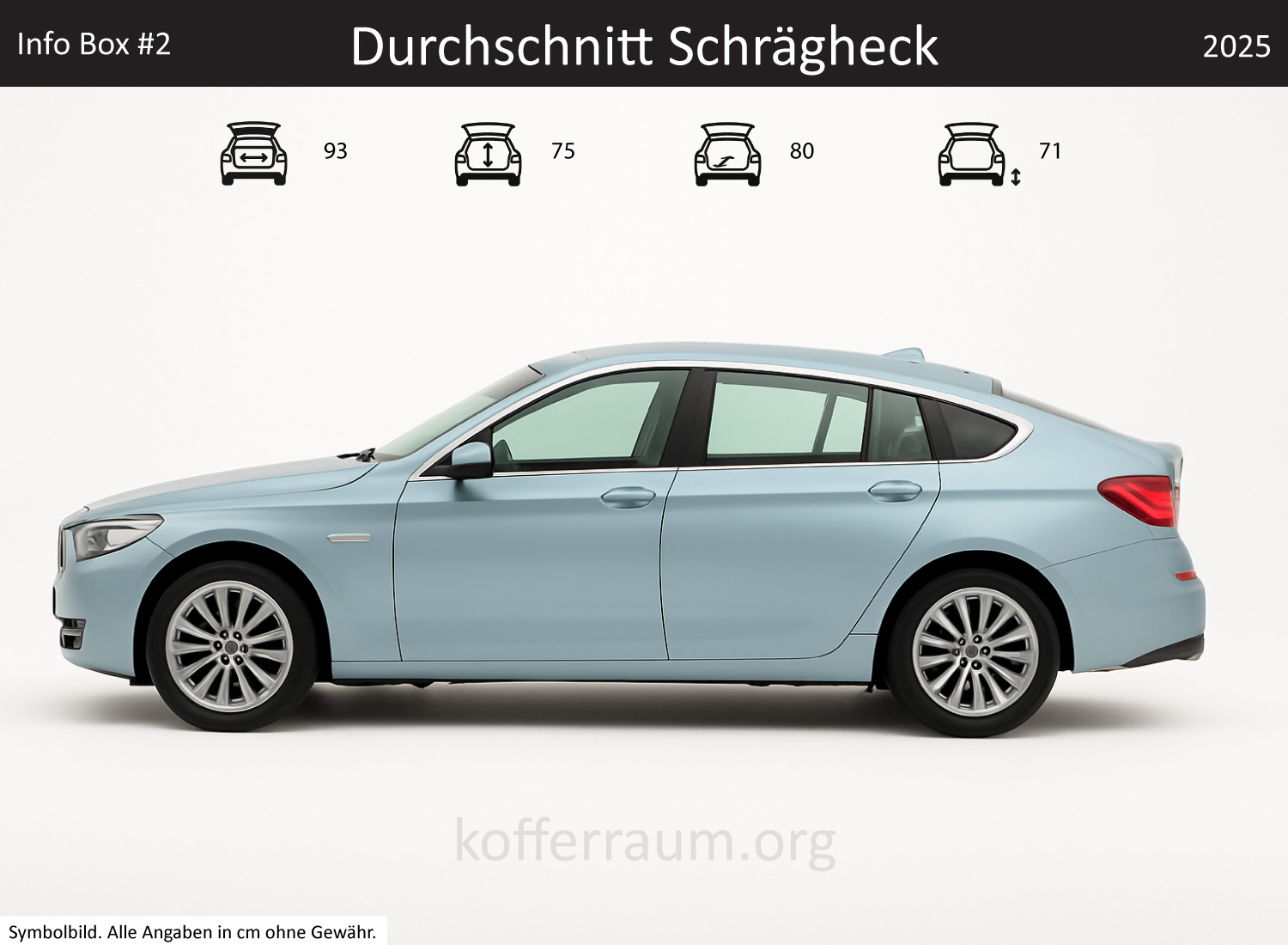
Hatchback: works well – with the right packing technique
With a hatchback, the rear opening is often practical,
but usable length can be limiting. However, with folded rear seats and front wheel removal, it often works surprisingly well.
- Tip: "Diagonal + front wheel out" is often the golden combination here.
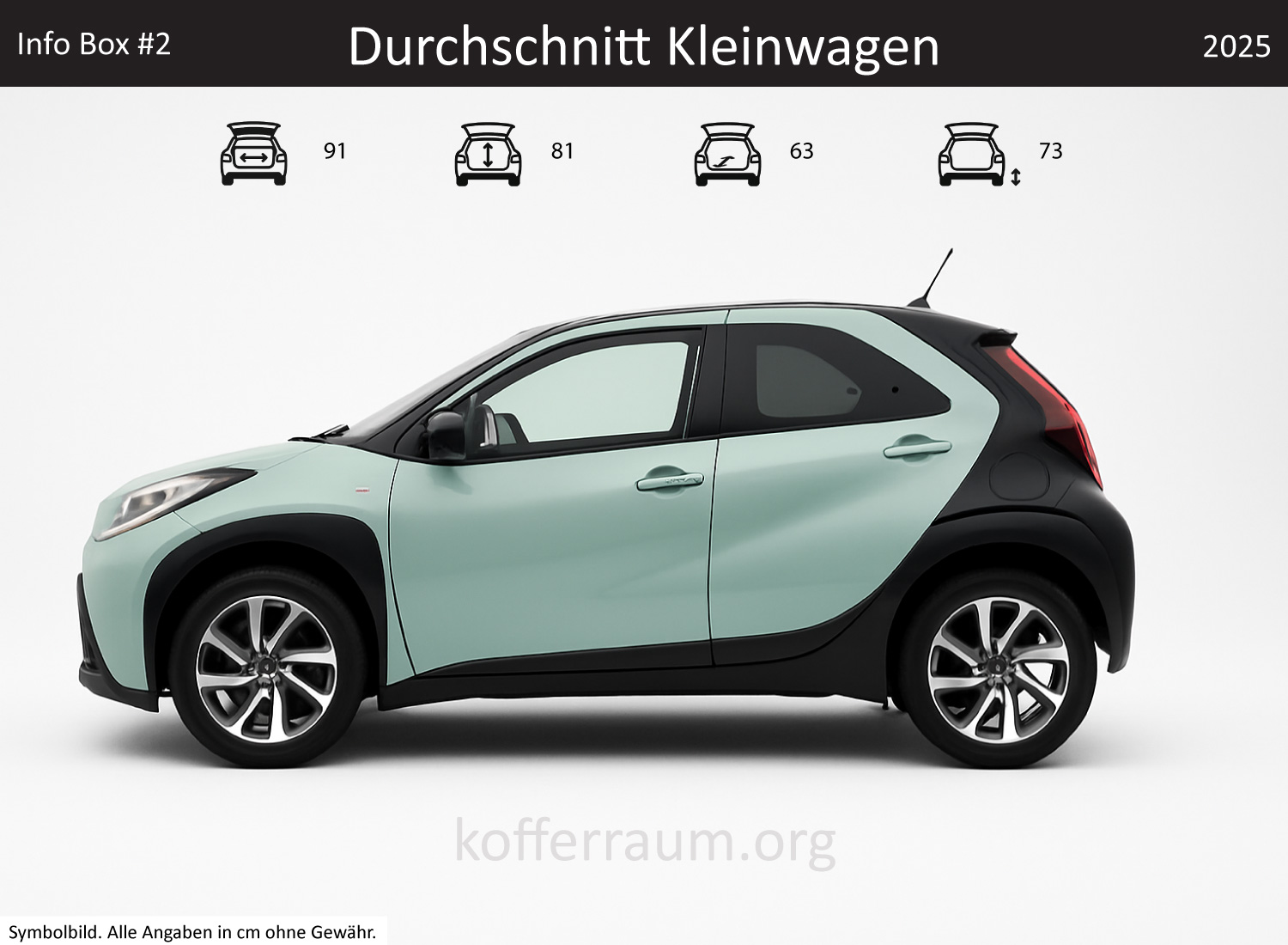
Compact Car: possible – often only with disassembly and folding seats
Even in a compact car, it is often feasible to transport a bike in the trunk – but almost always only with folded rear seats, at least the front wheel removed, and compact wheels (ideally a folding bike). For large bikes, the handlebars can also be in the way.
- Tip: Protect the interior and back of front seats – contact points are more frequent in compact cars.
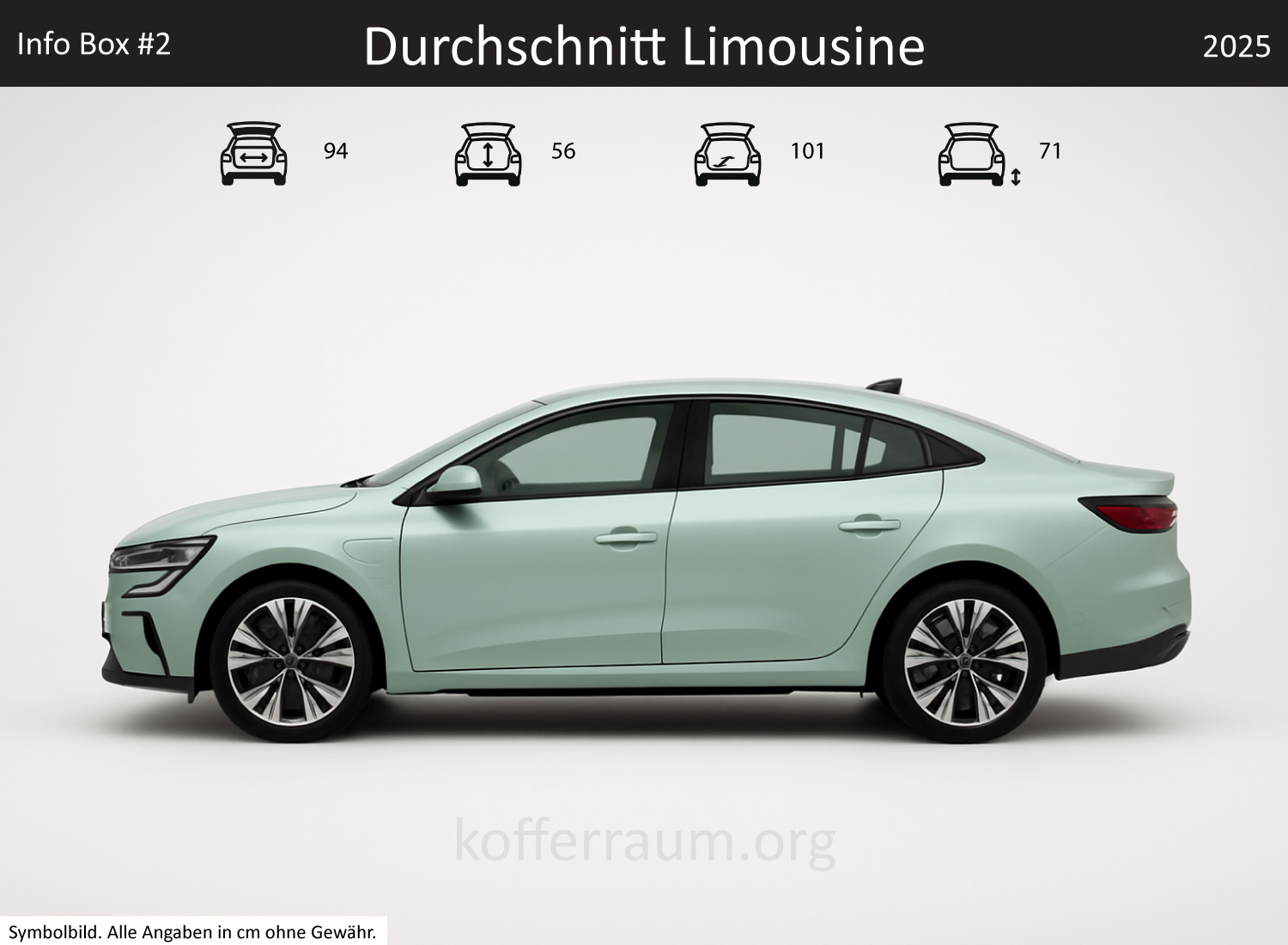
Sedan: often lots of volume – but the opening is the bottleneck
With a sedan, it rarely fails due to space,
but due to the trunk opening and loading angle. Road bikes often fit better than MTBs because they are narrower (a bike bag is especially important here).
- Tip: Remove front wheel, possibly turn handlebars; if needed, also remove rear wheel if the opening is very small.
Also in sedans, a folding bike is often the best choice to combine cycling and driving.
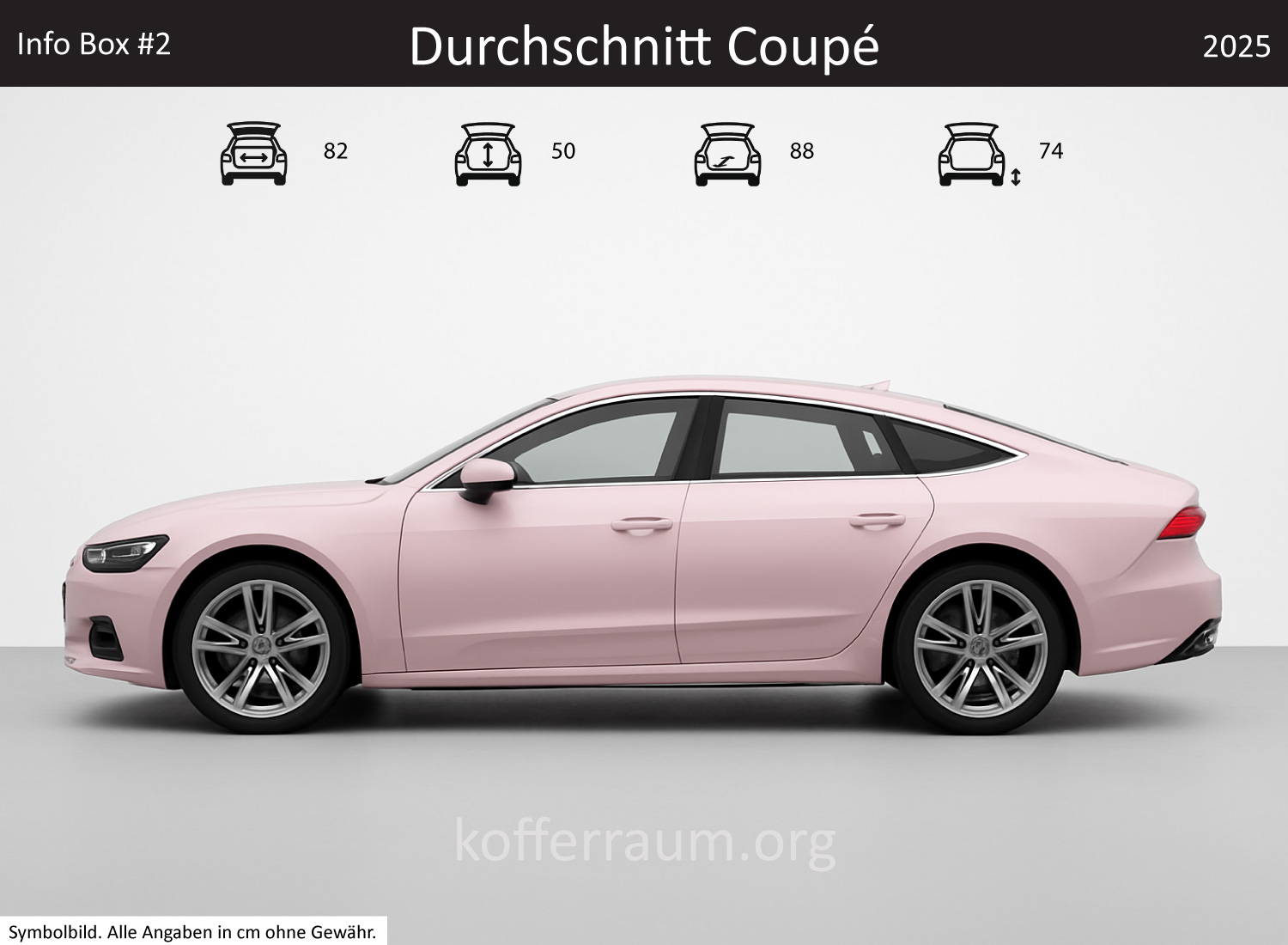
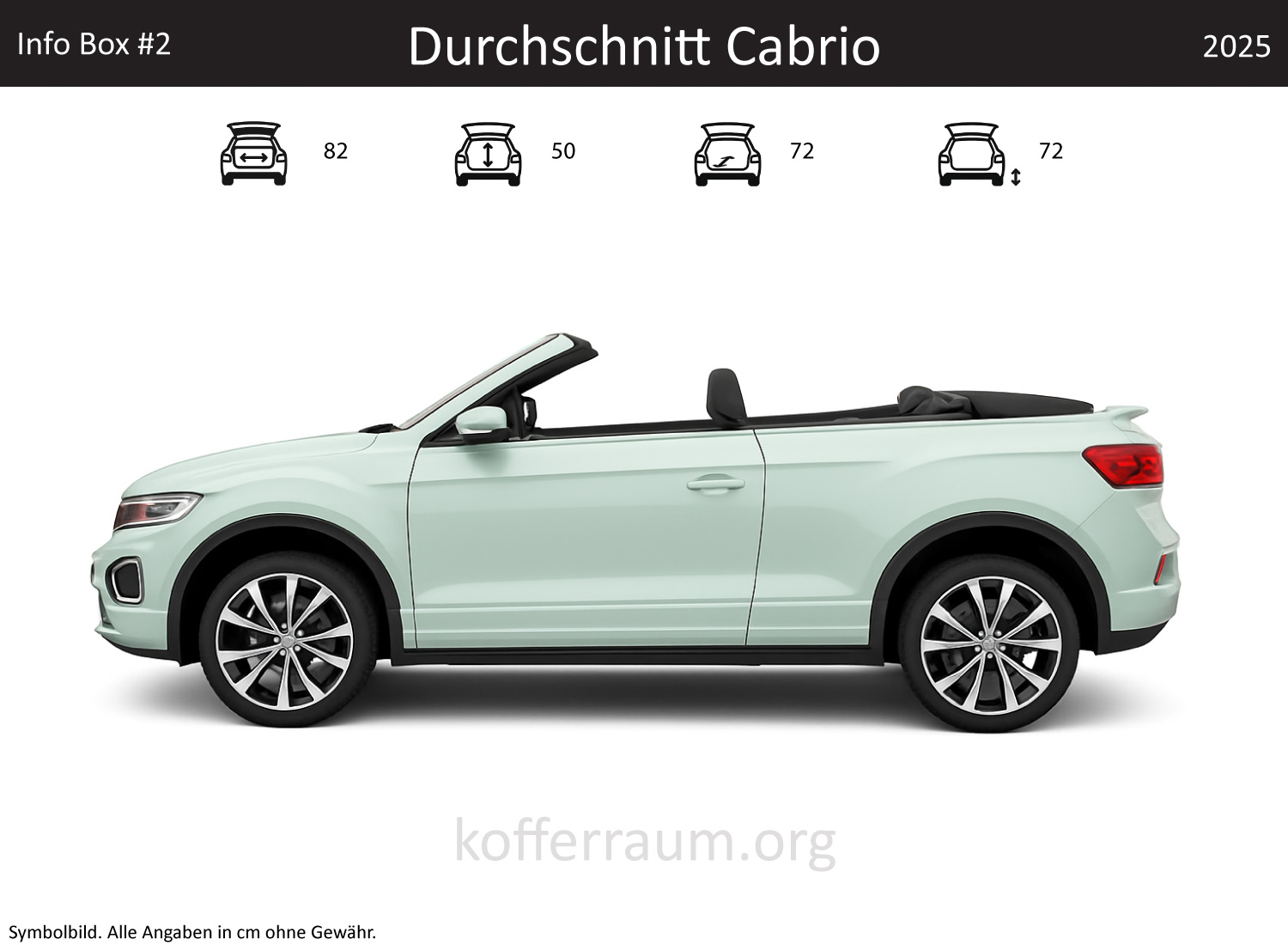
Coupe & Convertible: doable, but usually only with very compact setup
With coupes and convertibles,
shape and opening are often very limited. For many, it only works with road/gravel bikes or heavily disassembled.
- Tip: Allow more time – and consistently use protection because contact points are more frequent.
Also for convertibles, a folding bike is often the best choice to combine cycling and driving.
Van: very bike-friendly (also for multiple bikes)
A van is often the comfort class for bike transport inside:
lots of height, large opening, flexible seat configuration. Transport works best if the rear seats are removable.
- Pro tip: If bike transport in the van is more the rule than the exception – and the rear seats can be removed, it can be worth fixing bike stands to the trunk floor and securing the bikes with automatic ratchet straps.
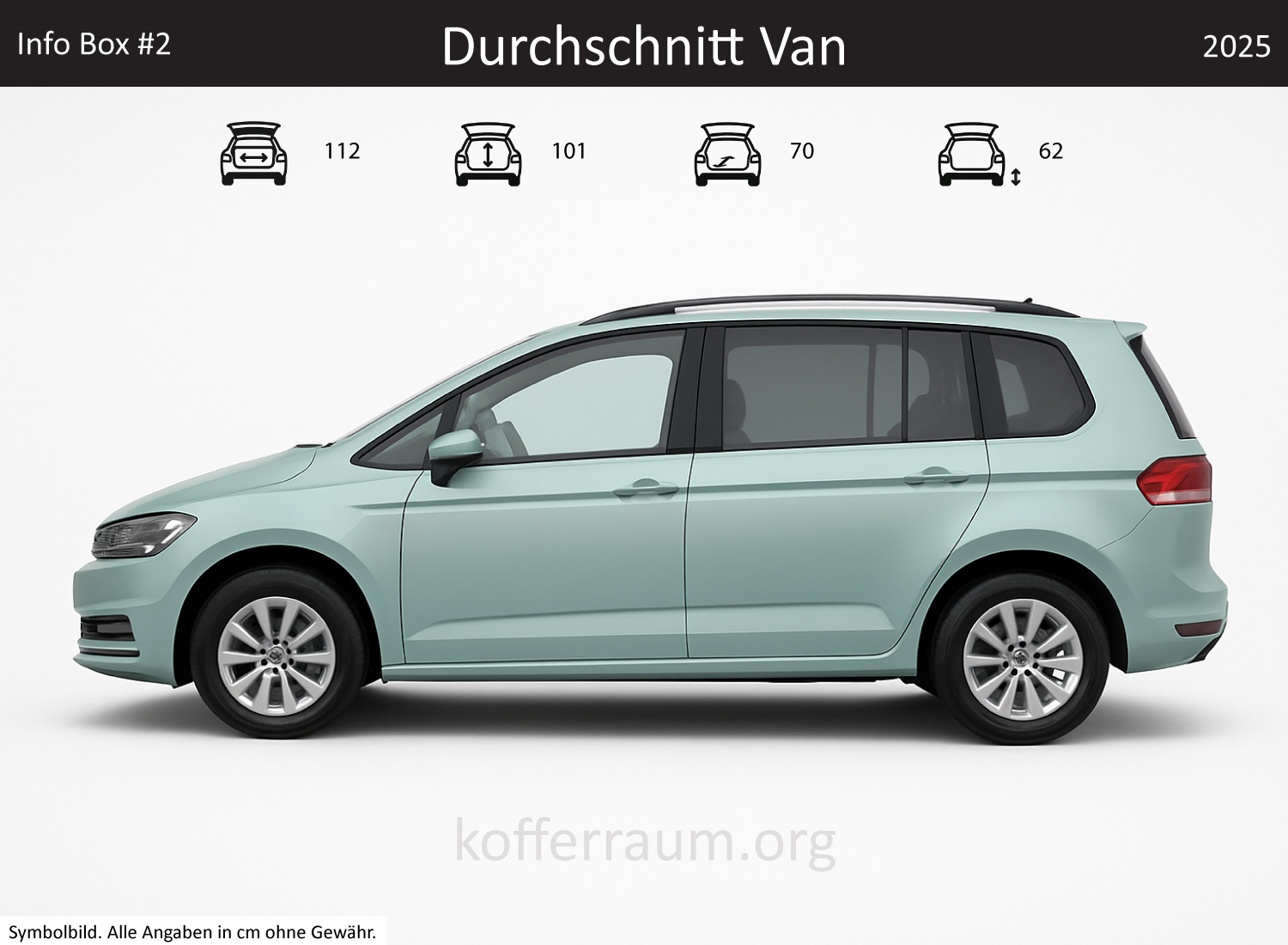
Van – very bike-friendly, often suitable for multiple bikes and additional luggage.
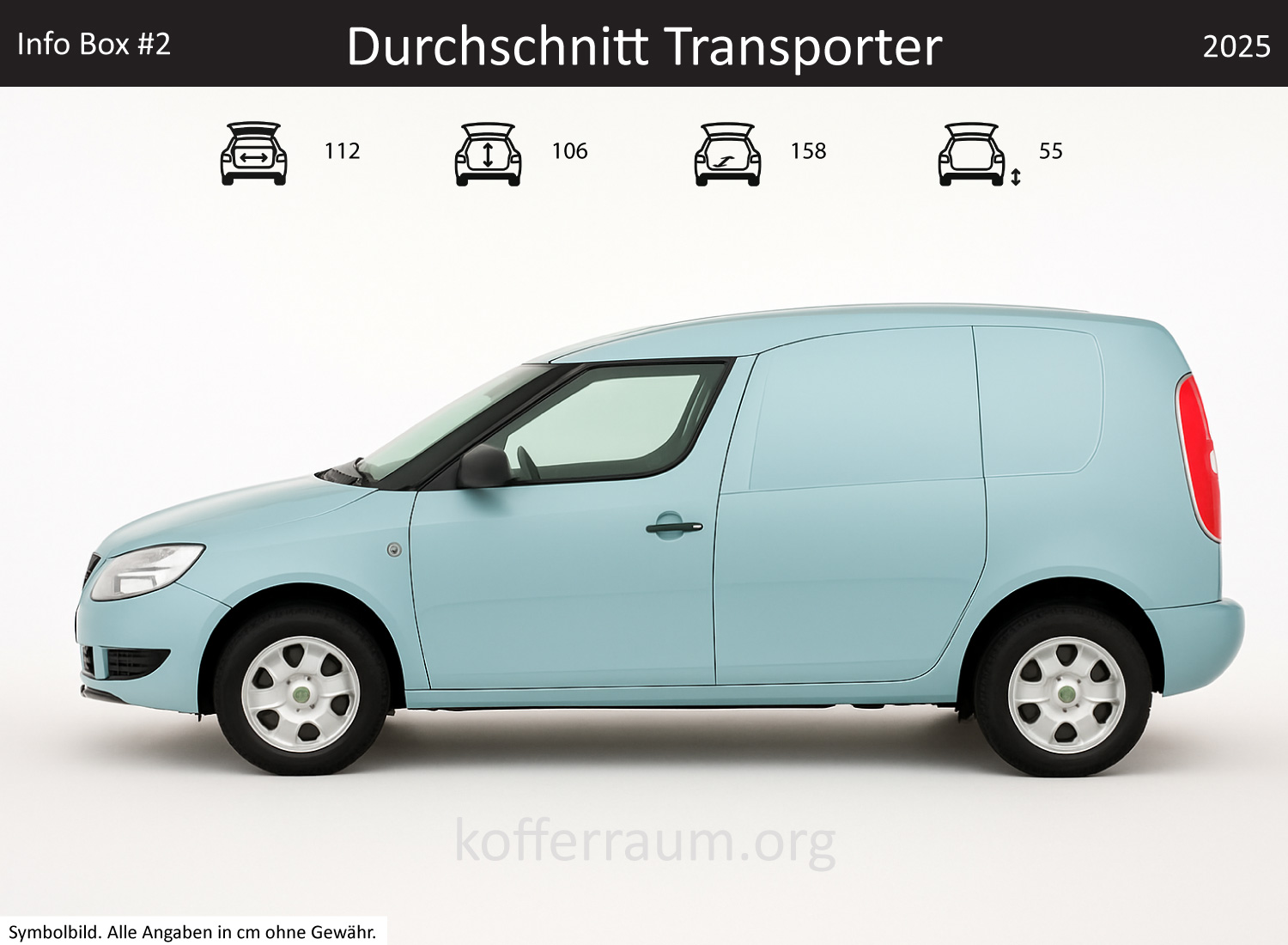
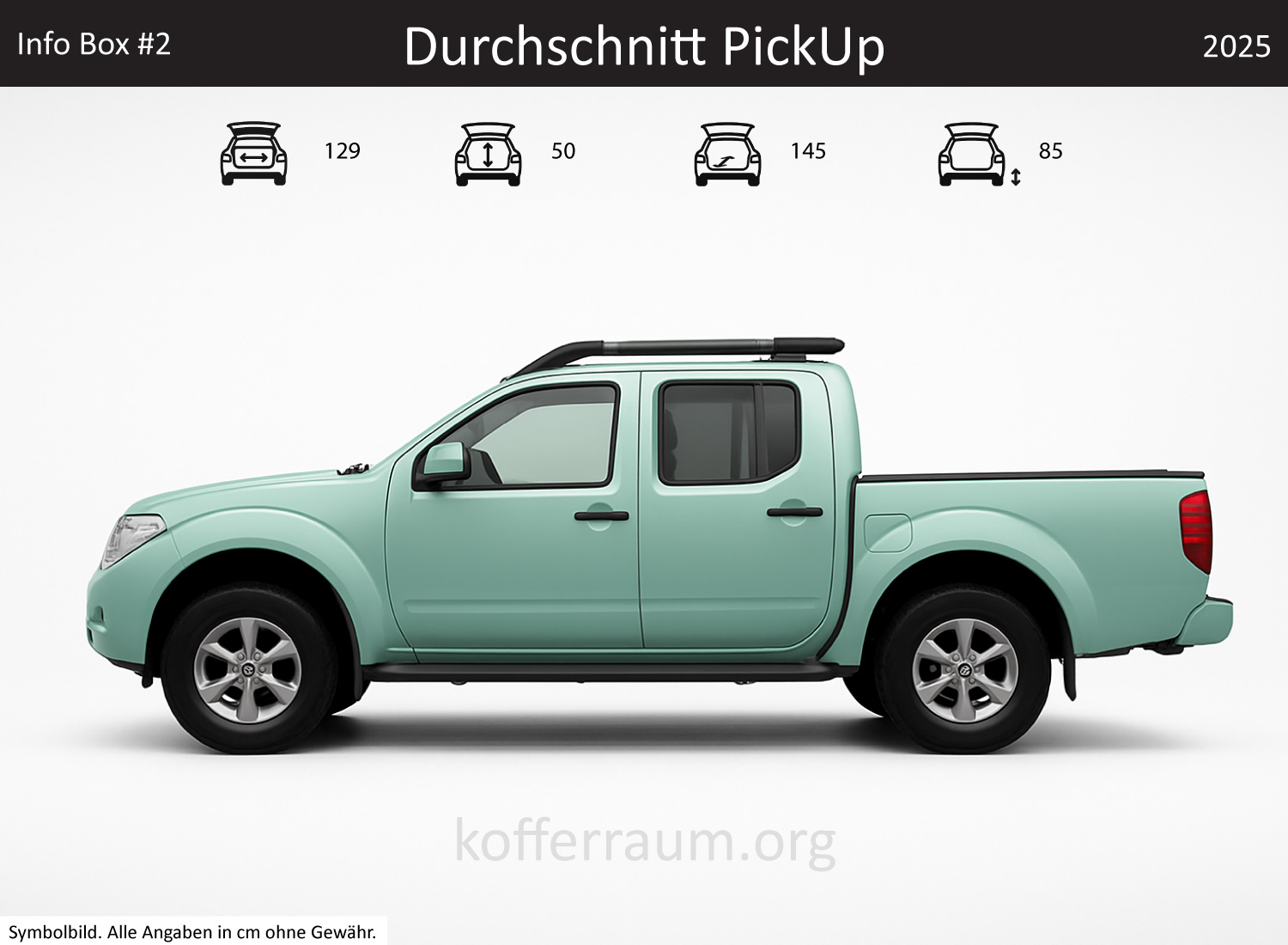
Transporter & Pickup: maximum space – but securing & protection are mandatory
In transporters, space is rarely the problem –
here it’s more about securing the bike safely. For pickups, weather protection is added.
- Tip: For pickups, only with cover/hardtop or waterproof bag – otherwise the bike is more exposed to weather and theft.
- Pro tip: If bike transport in the transporter is more the rule than the exception, it can be worth fixing bike stands to the trunk floor and securing the bikes with automatic ratchet straps.
- Pro tip: On pickups, bikes can also be easily secured with a tailgate protection pad.
Dirt, Oil, Scratches: How to Keep Your Car Clean
When transporting a bike in the trunk, dirt is the most common concern. These measures help reliably:
- Cover the chain side: A small blanket or cloth on the chain side prevents stains.
- Pad contact points: Where the frame touches (wheel arches, trunk edge), foam or folded blanket helps.
- Separate wheels: Removed front wheel in a bag – saves dirt and protects the interior.
- Quick cleaning: A small microfiber cloth in the car saves trouble if something smears.
FAQ: Common Questions About Transporting a Bike in the Car
Do I have to remove the front wheel to transport a bike in the trunk?
Often yes – at least it makes loading much easier. For road/gravel bikes, removing the front wheel is often enough.
For MTBs, it depends heavily on handlebar width and vehicle class.
Can I transport an e-bike in the trunk?
Basically yes, but it is heavy. Lifting the bike into the trunk can strain your back.
Some remove the battery (if possible) to reduce weight. It’s also important that the bike lies stable and doesn’t slip.
How do I prevent scratches in the car?
Use a blanket/mat, pad contact points, and secure the bike against slipping.
Scratches almost always occur due to movement during driving or hard edges when loading.
Which cars are best suited to transport a bike inside?
Especially suitable are station wagons and vans.
SUVs also work well if the loading height suits you. Sedans can be trickier due to the opening.
Conclusion: Transporting a Bike in the Trunk Works – With the Right Setup
Transporting a bike in the trunk is for many the most practical solution if you want to go without a bike rack:
fast, protected, and often surprisingly doable.
The most important success formula is: protection + front wheel out + good position + securing.
If you want to estimate which vehicle class is especially suitable, the average dimensions on kofferraum.org help –
for example for station wagons, SUVs,
hatchbacks, or compact cars.
This way you find out faster whether your plan "bike in the car" works smoothly – or if you should choose another solution.
Note
This page contains affiliate links to our selected partners. By using them, you support the operation of kofferraum.org. No additional costs will be incurred.