Transporting Building Materials in the Trunk: Which Car is Suitable for Construction, Craft, and Garden Work?
Whether it's a small renovation, weekend gardening, or occasional DIY projects: many wonder what can realistically be transported in the trunk – and when another vehicle or a van makes more sense.
This article provides a sober, practical assessment: which vehicle types are suitable for which tasks, which typical materials fit inside, and where the limits lie.
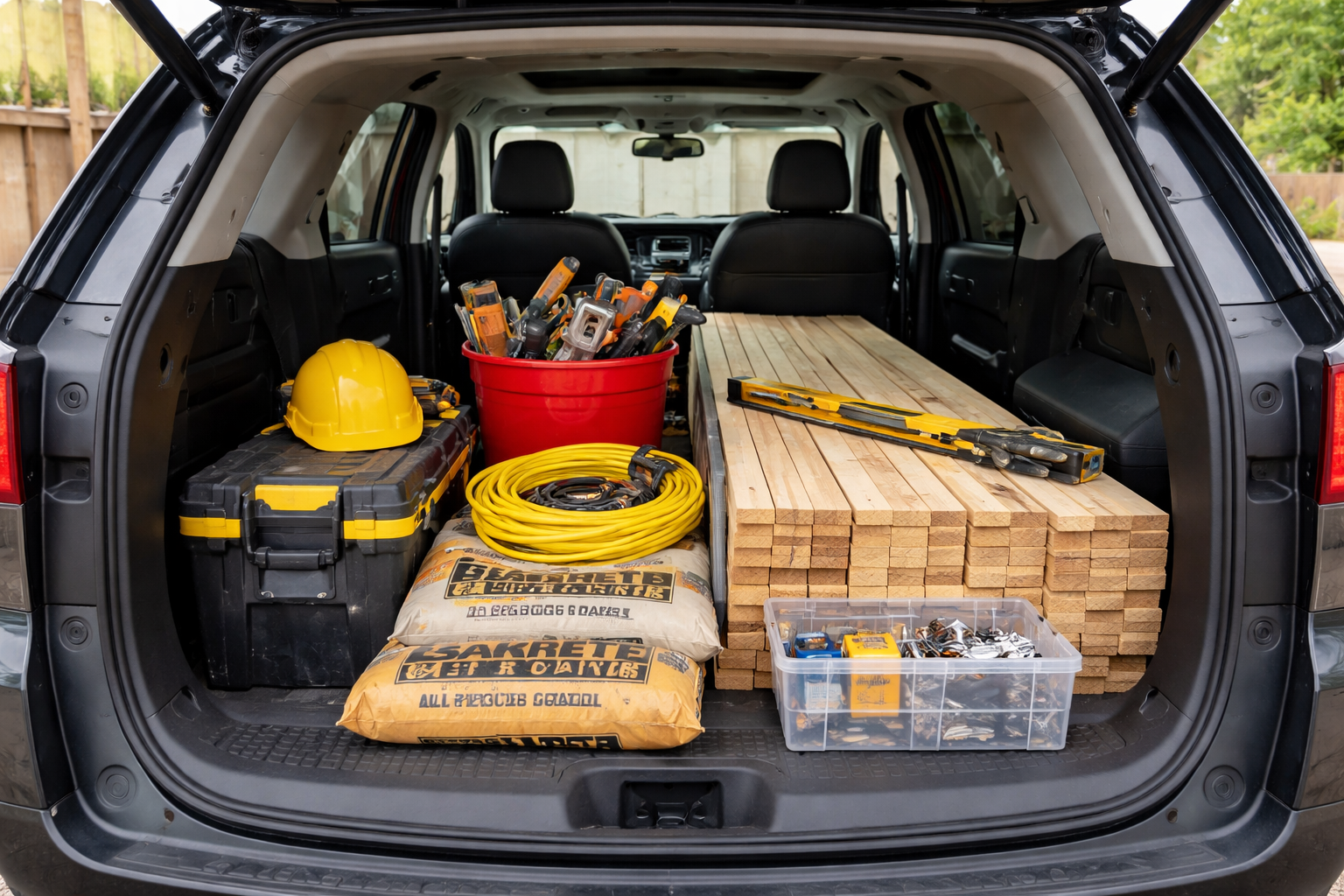
Basics: Transporting Building Materials in the Car
- Weight is often more critical than volume: Cement, soil, or tiles strain the suspension and brakes.
- Plan for dirt: Soil, sand, and construction debris should always be secured or packaged.
- Length beats volume: Boards, pipes, and ladders primarily need usable length.
- Emergency solution vs. permanent solution: Many things work once – but are not sensible long-term.
Vehicle Types Compared: How Practical Are They for Construction & Gardening?
Small Cars – only for light tasks (emergency solution)
Small cars are suitable at most for very small projects or single trips.
Practicality: okay in emergencies
Typical items:
- Toolbox
- Paint bucket (small, well secured)
- Hand tools
- Leaf bags (empty or lightly filled)
Hatchback – flexible for light renovations
Hatchback vehicles offer a bit more space thanks to the large rear hatch.
Practicality: occasionally useful
Typical items:
- Toolbox, drill
- Paint buckets, canisters
- Small wooden panels
- Garden waste bags
Sedan – lots of volume but inconvenient opening
With a sedan, the trunk is large but the opening is limited.
Practicality: suitable for clean, compact materials
Typical items:
- Tool case
- Tiles (packaged)
- Electrical devices
- Boxes with fittings
Station Wagon – very good for DIY & gardening
A station wagon is the best all-round solution for many private construction and gardening tasks.
Practicality: easily possible
Typical items:
- Toolboxes
- Boards, slats (up to a certain length)
- Buckets, bags with soil or bark
- Lawn mower (small)
- Ladder (short)
SUV & Compact SUV – good for volume, limited for length
SUVs and compact SUVs offer height but often less usable length.
Practicality: good for bulky but short materials
Typical items:
- Tools
- Bags with soil or cement (limited)
- Plants, pots
- Garden waste
Van – very good for extensive work
Vans are very suitable for ambitious DIYers and larger garden projects.
Practicality: very well suited
Typical items:
- Wheelbarrow
- Large tools
- Long boards
- Multiple material bags
- Lawn mower, scarifier
Vans & Pickups – the professional choice
Vans and pickups are clearly designed for regular construction, craft, and garden work.
Practicality: professional solution
Typical items:
- Large quantities of materials
- Long beams, pipes
- Construction debris
- Machines
- Pallet (partially)
Average Trunk Dimensions by Vehicle Type
The following gallery shows average trunk dimensions for rough orientation. It helps estimate whether building materials realistically fit in the car.
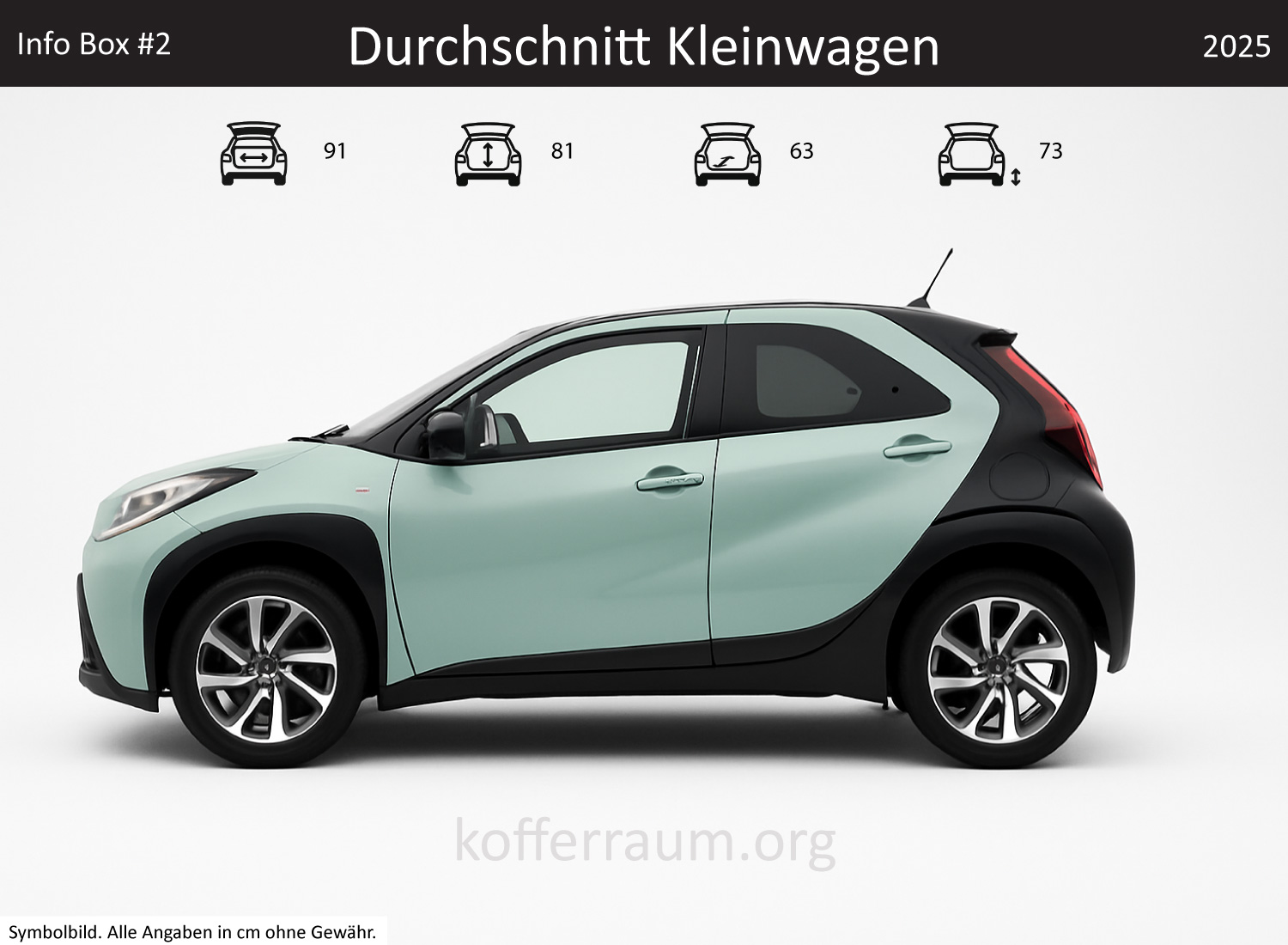
Small cars – only for small, light materials.
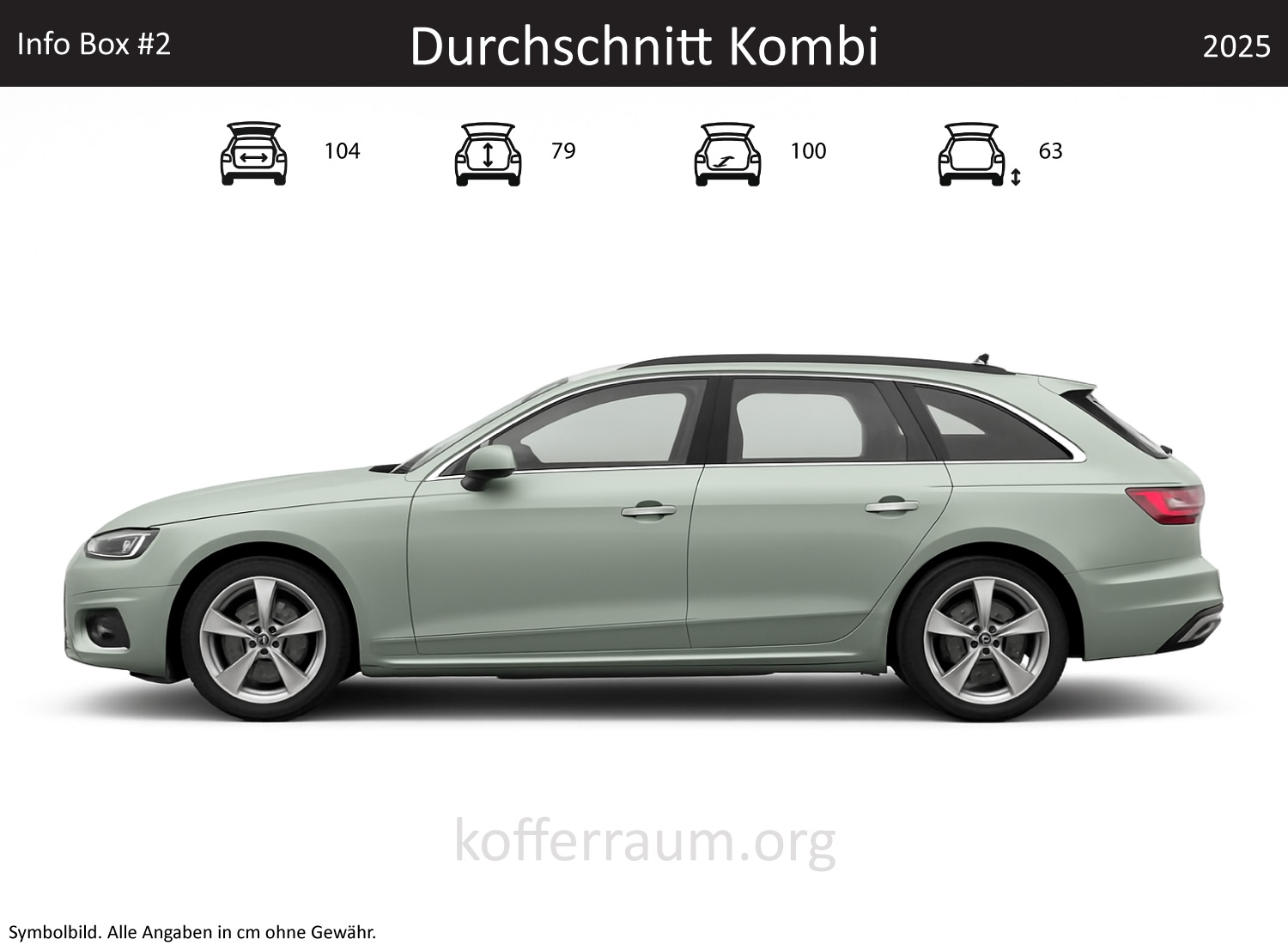
Station wagon – very versatile for DIY and gardening.
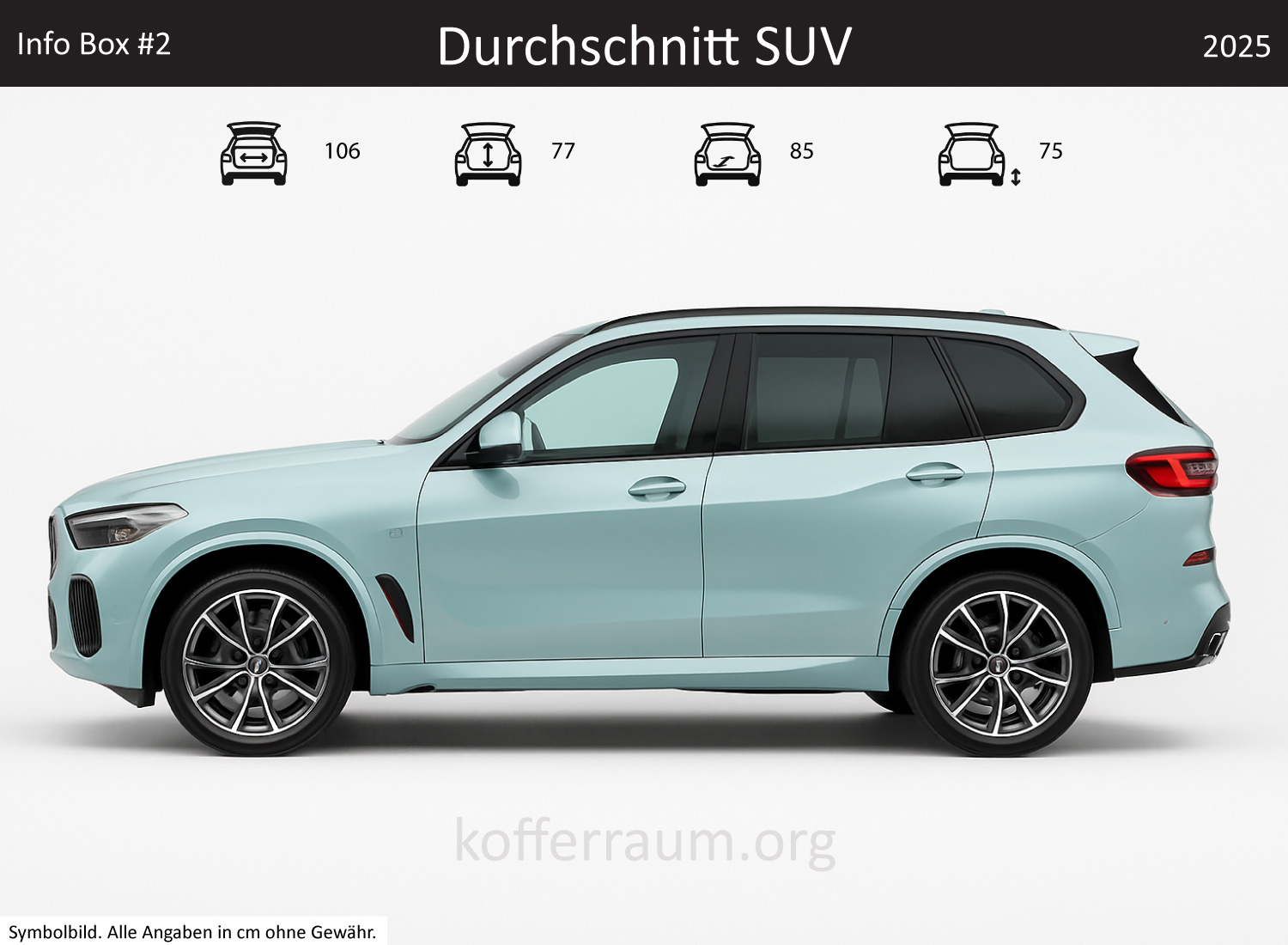
SUV – good for bulky but short materials.
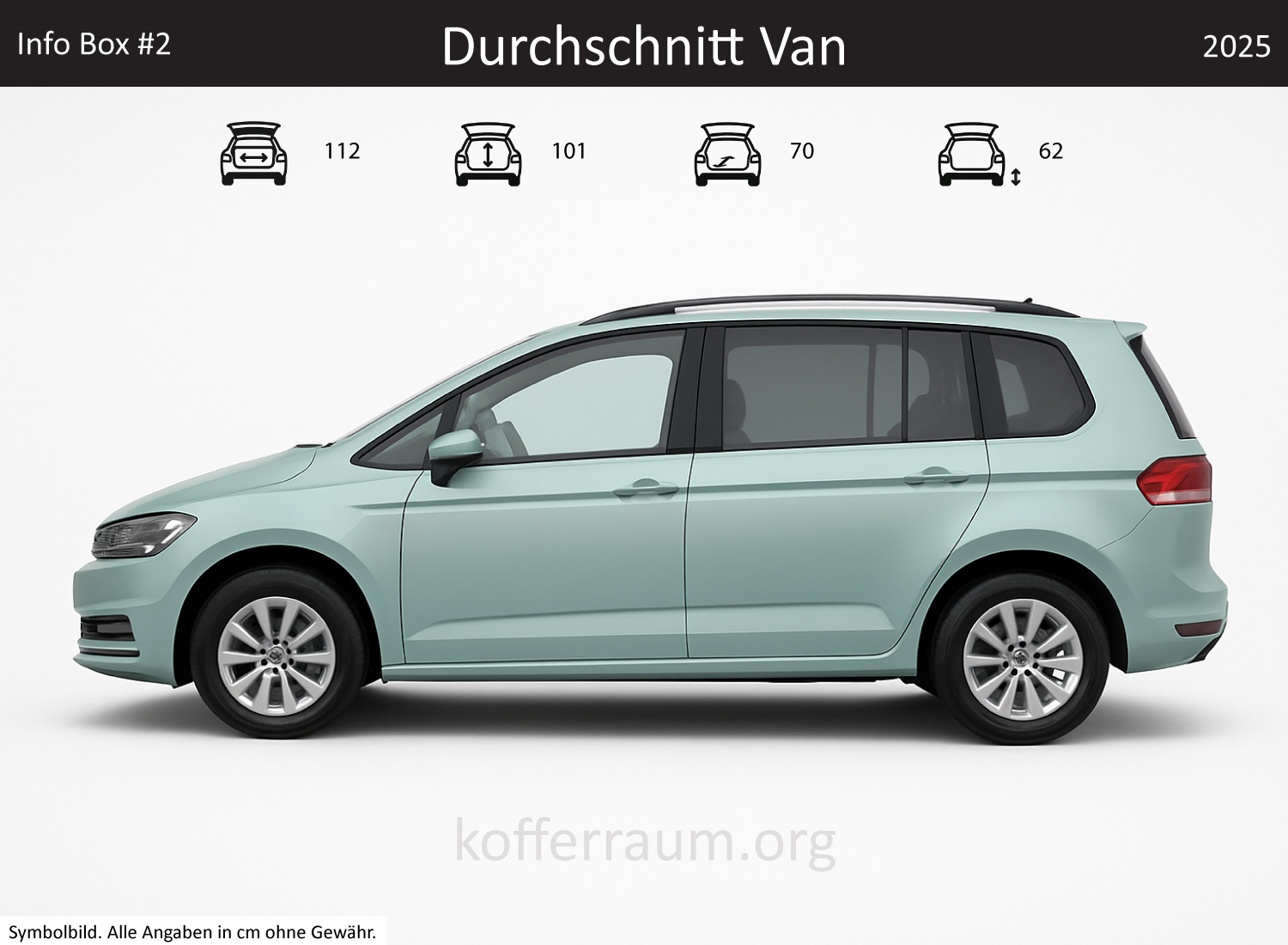
Van – ideal for larger projects without a van.
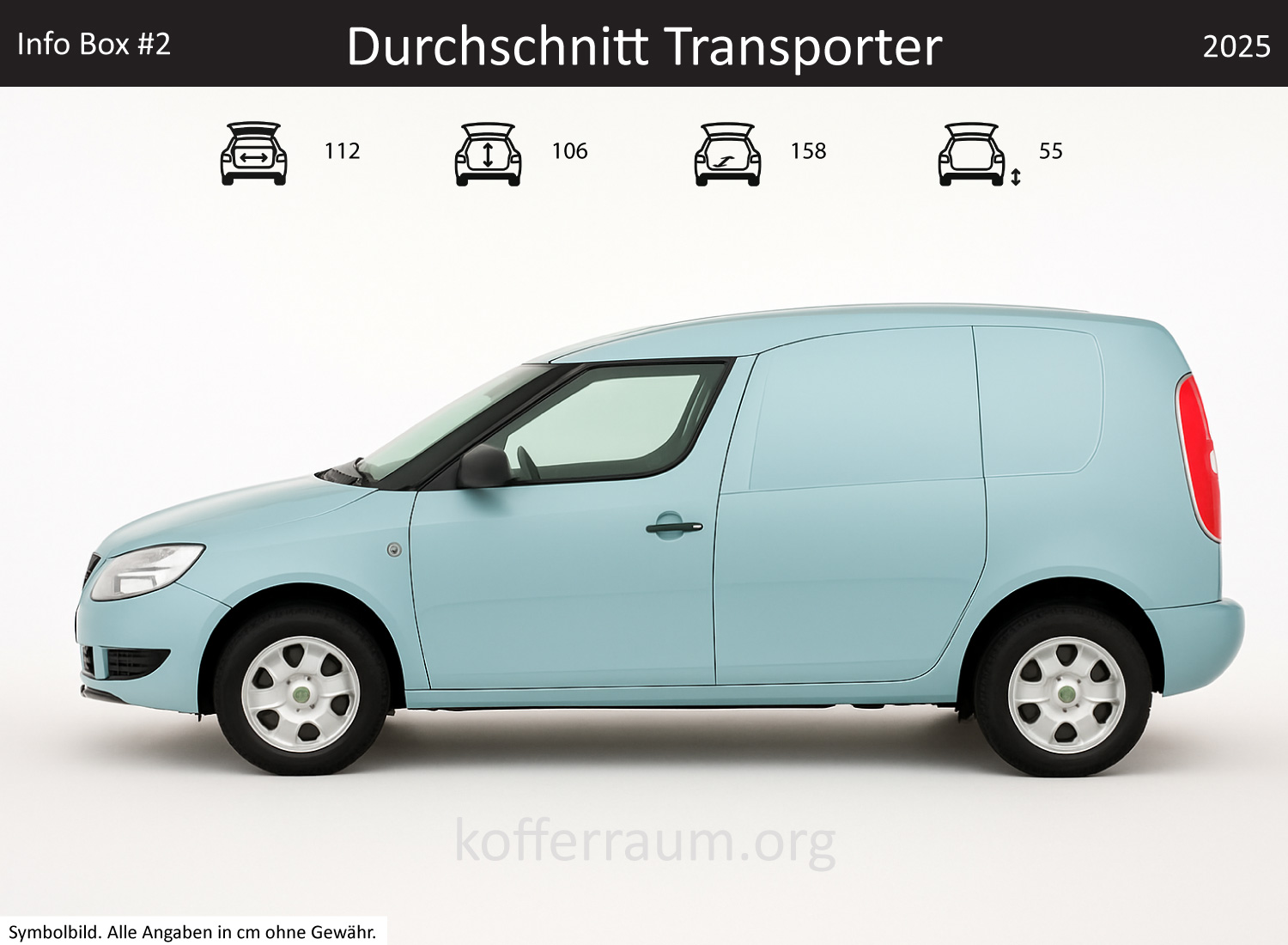
Van/truck – maximum freedom for construction and craft work.
Conclusion: Many things are possible – but not everything should be forced
For small construction, craft, and garden tasks, surprisingly much can be transported in the trunk – especially with station wagons, vans, or SUVs. Small cars and sedans are more emergency solutions for light, clean materials.
Once it comes to heavy, long, or large quantities, it usually makes more sense to rent a van or hire a professional company. This saves time, protects the car – and often nerves as well.