
Home » Trunk dimensions » Alfa Romeo
Alfa Romeo — trunk dimensions
10 models
-
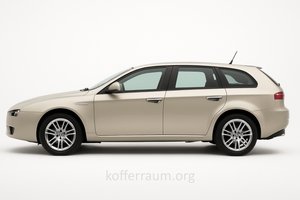 159 Sportwagon Wagon
 -
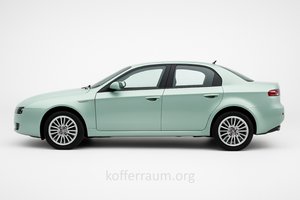 159 Turismo Sedan
 -
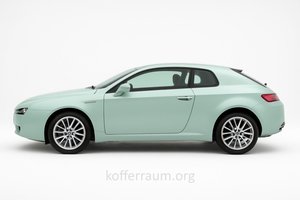 Brera Coupe
 -
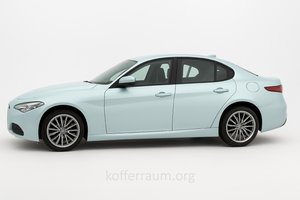 Giulia Sedan
 -
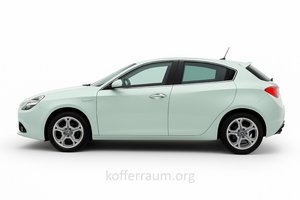 Giulietta Hatchback
 -
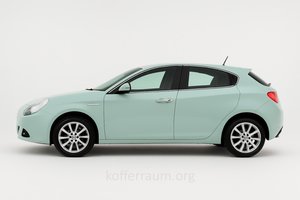 Giulietta Turismo Hatchback
 -
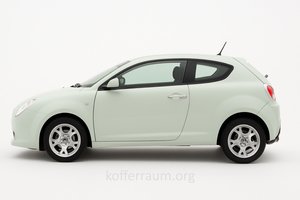 MiTo Subcompact
 -
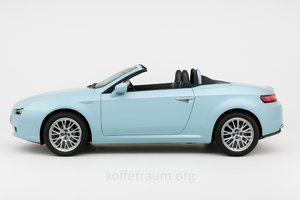 Spider Convertible
 -
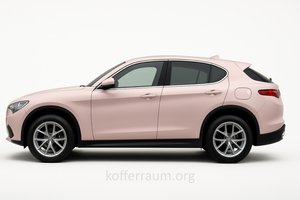 Stelvio SUV
 -
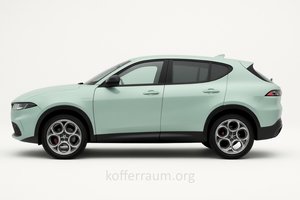 Tonale SUV
About Alfa Romeo
Alfa Romeo is a brand that immediately connects automotive enthusiasts with style, emotion, and a sporty tradition. Since its founding in 1910 in Milan, Alfa Romeo has shaped not only the design of Italian automobiles but also the understanding of driving dynamics: vehicles that do more than just get you from A to B, they provide a driving experience.
History and Brand Identity
The early years of Alfa — originally A.L.F.A. (Anonima Lombarda Fabbrica Automobili) — were marked by pioneering spirit and racing successes. Already in the 1920s and 1930s, engineers like Vittorio Jano built technical masterpieces. The brand collected victories in Grand Prix, sports car races, and later in touring car series. These successes forged a brand philosophy: technology should convey passion. The combination of elegant bodywork, advanced mechanics, and emotional design became the core of the brand.
Design and Technology
Alfa Romeo has produced designers over decades who combine form and function. Hallmarks include long hoods, a wedge-shaped silhouette, the distinctive Scudetto grille, and muscular fenders. Alfa was never just about styling; under the hood were technical innovations such as dual overhead camshaft engines, lightweight chassis, and later modern turbocharging. The focus is on weight distribution, steering feedback, and the balance between comfort and driving precision — values especially noticeable in sporty sedans and coupes.
Motorsport and DNA
Motorsport is not a side topic but the heart of the brand. Alfa Romeo shaped the early Grand Prix era, won Le Mans predecessors, and dominated touring car series. These racing experiences flowed directly into production models: suspensions, brakes, and transmissions benefit from the tough lessons on the track. Even today, the racing DNA attracts buyers who seek immediate feedback behind the wheel and pedals.
Modern Models and Positioning
In the last two decades, Alfa Romeo has modernized. Models like the 159, Giulietta, and Giulia showed a return to high-quality materials, precise driving dynamics, and modern infotainment. The Giulia Quadrifoglio confirmed the promise of sporty sedans with high-performance engines and racing technology. The Stelvio compact SUV brought this dynamic into the popular SUV segment without sacrificing Alfa’s characteristic driving pleasure. Price-wise, the brand positions itself in the premium segment, competing with German manufacturers but focusing more on character than pure technology features.
Challenges and Future
Alfa Romeo’s challenge has always been balancing emotion and everyday usability. Quality and reliability were at times weak points; recently, the brand has been working on better material quality, manufacturing, and service networks. Under the Stellantis group umbrella, Alfa benefits from platforms, electrification strategies, and economies of scale. The future will be strongly shaped by electrification and digitalization: conservative customers still expect characterful engines, while the brand simultaneously moves toward hybrid and battery-electric models.
Conclusion
Alfa Romeo remains a brand for those who see a car not just as a means of transport but as an expression of style, technology, and emotion. The historic racing DNA, distinctive design, and uncompromising commitment to driving dynamics make Alfa unmistakable to this day. Buying an Alfa means buying a piece of automotive history — with a view toward a future where tradition and modern technology come together.