
Home » Trunk dimensions » Alpine
Alpine — trunk dimensions
1 models
About Alpine
Alpine is a brand that immediately evokes associations with sportiness, lightness, and French design in the automotive world. Founded by Jean Rédélé in the 1950s, Alpine emerged from a passion for motorsport and the idea of achieving maximum driving dynamics with minimal weight. This philosophy continues to shape the brand today.
The early years made Alpine known for lightweight coupes and race cars. The legendary Berlinette A110 became the brand's symbol: compact, agile, and consistently focused on cornering speed. In the rally scene, Alpine achieved notable successes in the 1960s and 1970s. The combination of low weight, good suspension, and precise driving feel made the models serious contenders in competitions like the Monte Carlo Rally and international events. Motorsport was not only a stage but also a laboratory: technical concepts that worked on the racetrack were incorporated into production vehicles.
Design and technology follow a clear credo: less is more. Instead of primarily focusing on power per liter of displacement, Alpine aims for weight reduction, balanced mass distribution, and a direct steering and driving feel. The aesthetics combine classic proportions with modern French style — compact silhouettes, clean lines, and a recognizable individuality. Technically, the brand early on relied on aluminum components, slim bodywork, and chassis tuning that prioritized precision over brute force.
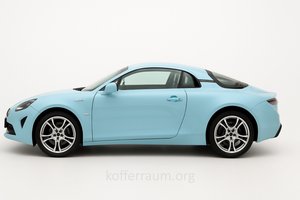
After phases of changing economic conditions and closer integration with larger corporations, Alpine has been revived in recent years. The relaunch of the A110 demonstrated how to link historical heritage with contemporary technology: a lightweight sports car with modern electronics, an efficient turbo engine, and a chassis that highlights driving dynamics. The reinterpretation received praise for its fine handling and the way it captured the original spirit — without falling into nostalgic retouching.
Alpine's brand strategy and positioning rely less on power figures in brochures and more on the experience behind the wheel. Customers expect precise feedback, agility, and a sense of connection to the vehicle. Therefore, Alpine targets a niche: drivers who appreciate sporty intelligence and a hands-on character, not just maximum acceleration values.
Looking ahead: Alpine faces the challenge of combining tradition and innovation. Electromobility, stricter emission regulations, and changing customer needs require new answers. Alpine is trying to transfer its core values — lightness, driving dynamics, design — into an electric future. This means not only changing the powertrain but rethinking the idea of efficiency and weight: less unnecessary mass, better architecture, and a focus on sustainable performance.
Conclusion: Alpine is more than a car brand; it is a reality understood as a clever, light, and dynamic driving promise. The brand remains relevant because it consistently sticks to its core — and because it proves that driving pleasure comes not only from power but above all from balance, precision, and a clear design philosophy.