
Home » Trunk dimensions » Dacia
Dacia — trunk dimensions
12 models
-
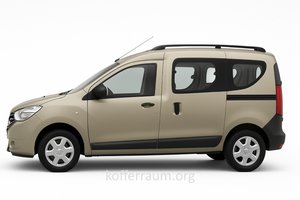 Dokker MPV
 -
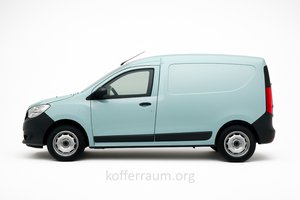 Dokker Van Van
 -
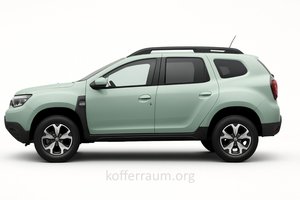 Duster SUV
 -
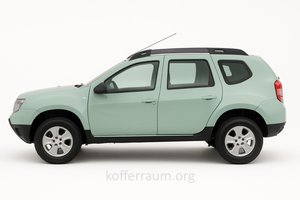 Duster 4x4 SUV
 -
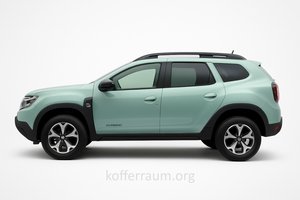 Duster Hybrid SUV
 -
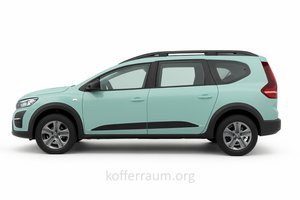 Jogger MPV
 -
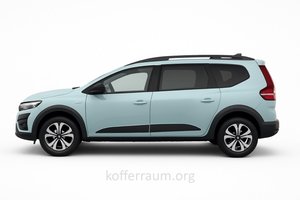 Jogger Hybrid MPV
 -
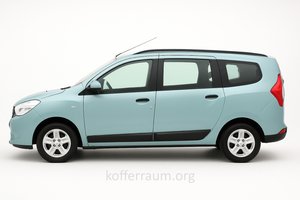 Lodgy MPV
 -
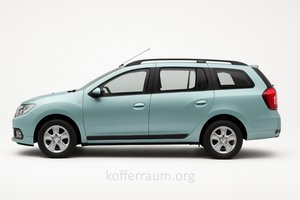 Logan Wagon
 -
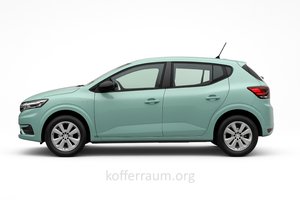 Sandero Hatchback
 -
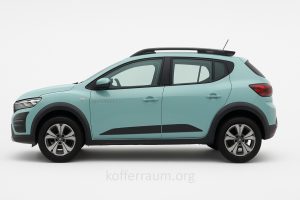 Sandero Stepway Crossover
 -
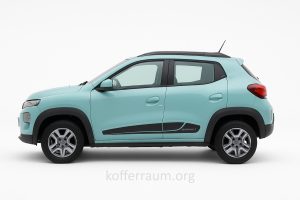 Spring Electric Electric Hatchback
About Dacia
Dacia has evolved over the past two decades from an underestimated RDW label into one of the most interesting success stories in the automotive industry. The brand, founded in Romania in 1966 and part of the Renault Group since 1999, follows a clear promise: functional mobility at a significantly lower price than established competitors. This promise has earned Dacia a loyal customer base and a solid market position, especially in Europe.
Dacia’s recipe for success is simple and consistently implemented: focus on the essentials, a lean product strategy, and persistent cost discipline. Models like Logan, Sandero, and Duster are not design or technology extravagances but pragmatic vehicles primarily designed to function reliably. The components are often proven and deliberately not at the latest high-tech level, but durable, easy to maintain, and inexpensive to produce. This translates into fair purchase prices and low operating costs—a strong argument for private customers, craftsmen, and fleet operators.
Despite the frugal approach, Dacia has made significant progress in terms of quality and comfort. The interiors of newer generations appear more refined, the build quality is sturdier, and the equipment has been sensibly upgraded. Safety features, driver assistance systems, and infotainment are now available in many models, although the scope remains deliberately modest to protect the pricing structure. The Duster is exemplary: it offers robust suspension tuning, good interior space, and high off-road capability for drivers who prioritize practical use over prestige.
An important turning point was electrification: with the Dacia Spring, the brand offers a serious electric car at an entry-level price. The Spring demonstrates that Dacia can translate the principle of cost-conscious mobility into new technology. At the same time, the brand and group practiced pragmatism—the technology is designed for everyday usability, not records. This reflects the core strategy: use technology where it provides real added value to the customer and avoid costs where it does not bring additional benefits.
Dacia regularly faces criticism—especially regarding image, equipment depth, and emotional appeal. Dacias are not status symbols; those who buy such a car want to invest sensibly, not provoke. For buyers who value sophisticated driver assistance systems, luxury features, or sporty performance, Dacia models are often not the first choice. But this clarity is also a strength: the brand deliberately sets expectations low and then delivers reliably.
From a business perspective, Dacia is a case study in brand management: positioning, product portfolio, and communication are aligned. The cost-conscious message is communicated honestly and supported by a product offering that makes no lofty promises but keeps mobility affordable. The future challenge is to maintain the balance between cost control and technological modernization—especially in the areas of electric mobility and connected services.
Conclusion: Dacia is not a glamour car but a rational choice. Those looking for a reliable, affordable vehicle with clear practical value often find the best price-performance ratio with Dacia. The brand remains interesting because it fulfills a concrete promise and consistently continues to do so.