
Home » Trunk dimensions » Daihatsu
Daihatsu — trunk dimensions
5 models
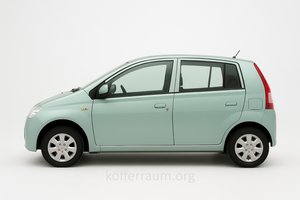
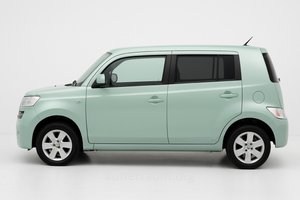
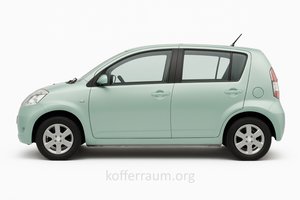
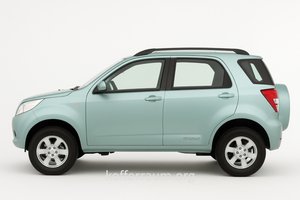
About Daihatsu
The Daihatsu brand stands for compact mobility, practical technology, and Japanese engineering. Since its founding in 1907, Daihatsu has maintained a clear focus on small vehicles, especially Kei cars, which are optimized in Japan for urban mobility and low operating costs. This specialization made Daihatsu a valuable partner for other manufacturers and a brand with a strong identity in markets where space and efficiency matter.
Daihatsu early on distinguished itself with simple, reliable engines and clever space economy. Models like the Mira, Cuore, and Sirion embody this approach: compact exterior dimensions, surprisingly spacious interiors, and minimal fuel consumption. For commuters, small families, and commercial customers, these vehicles offer a practical solution without unnecessary luxury but with solid everyday utility.
The cooperation with Toyota, intensified in 2016, strengthened Daihatsu's development capabilities. Toyota brought technology and a global sales network, while Daihatsu contributed its expertise in small vehicles and cost-efficient manufacturing. This partnership has modernized the brand technically while preserving its core identity. In some markets, Daihatsu is now an integral part of regional model strategies under the Toyota group umbrella.
Innovation at Daihatsu does not mean progress for progress’s sake. Efficiency, practicality, and low operating costs remain guiding principles. Hybridization and alternative drivetrains have been implemented in smaller vehicle segments, mostly aiming to further reduce fuel consumption and emissions without losing price appeal. In Japan, Daihatsu is also experimenting with ultra-compact electric vehicles for the city, an emerging niche that complements the brand’s strengths well.
Design-wise, Daihatsu models are pragmatic, with clear lines and functional details. Interiors focus on ergonomics and robust materials that withstand everyday use. Safety equipment has noticeably improved in recent years: assistance systems like emergency braking assist, lane-keeping assist, and adaptive cruise control are increasingly standard or at least available. This makes the brand suitable for buyers seeking good value and modern basic technology.
Internationally, Daihatsu has been particularly strong in Asia, with presence in markets like Indonesia, Thailand, and Pakistan. In Europe, the brand has been less active in recent years, often due to local preferences for larger vehicles and stricter regulations. Nevertheless, Daihatsu remains interesting for specific niches and customers who prioritize urbanity, economy, and reliability.
In summary, Daihatsu is a brand with a clear profile: compact vehicles, practical solutions, and economical mobility. For buyers who do not need luxury features but want an affordable, economical vehicle, Daihatsu is a sensible choice. The future depends on the ability to integrate alternative drivetrains cost-effectively and position the brand internationally in suitable niches.
The used car market and spare parts supply are often good because many models were built technically uncomplicated and in high numbers. Workshops know the technology, repairs are comparatively inexpensive, and resale values remain stable in relevant segments. Those looking for a reliable city car with low operating costs will find a broad offering at Daihatsu. For fleet customers and city administrations, the brand offers economic advantages. Personally, I recommend a test drive and a look at maintenance records — this allows checking whether the specific vehicle corresponds to Daihatsu’s typical strengths. With a clear focus on efficiency, Daihatsu remains a practical choice for urban mobility.