
Home » Trunk dimensions » Jeep
Jeep — trunk dimensions
6 models
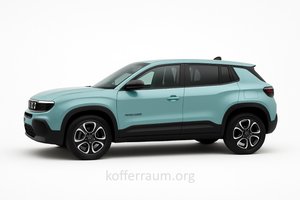
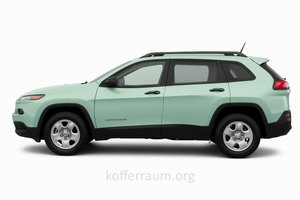
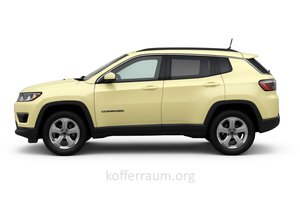
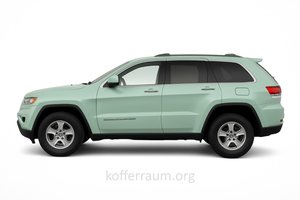
About Jeep
Jeep stands for rugged off-road capability, distinctive design, and a unique lifestyle. The brand's roots lie in the Willys MB from World War II — a simple, reliable field vehicle that later shaped the civilian off-road vehicle category. From this military heritage, an automaker developed that consistently transfers off-road ability, practicality, and a spirit of adventure into its products.
Jeep's technical foundation is designed for functionality: short overhangs, high ground clearance, durable suspensions, and locking differentials are not just marketing terms but serve practical purposes in challenging terrain. Striking design features such as the seven-slot grille, round headlights, and angular silhouette have become iconic brand identifiers. They signal toughness and recognizability — qualities buyers immediately associate with the term "Jeep."
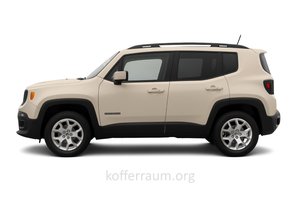
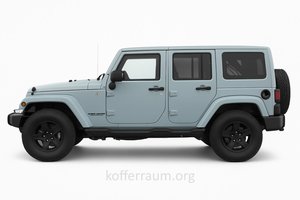
The model lineup reflects a balance between tradition and modernity. The Wrangler embodies the classic Jeep experience: pure off-roading, modular roof and door concepts, and mechanical simplicity. The Grand Cherokee appeals to customers seeking comfort, premium features, and serious off-road capability. Smaller models like the Compass and Renegade bring the Jeep image into urban environments and broaden the target audience by combining everyday usability with a rugged appearance.
Brand management and community are closely intertwined. Jeep owners organize meetups, expeditions, and off-road events, creating a strong sense of community. This sociocultural capital is valuable for Jeep: it stabilizes customer loyalty and generates authentic stories used in campaigns and product presentations. The brand sells not just vehicles but adventure and belonging.
At the same time, Jeep faces contemporary challenges. Stricter emissions regulations, increasing demands for safety and driver assistance, and expectations for connectivity require technological adaptations. Electrification is a central theme: plug-in hybrids and battery-electric models aim to reduce CO2 emissions without sacrificing the core off-road capability. The difficult task lies in combining the additional weight and complexity of electric drivetrains with the robustness and independence of traditional Jeeps.
Design and brand strategy must accompany this transformation. Deviating too far from classic design language and off-road attributes would dilute the brand image; acting too cautiously risks competitive disadvantages. Success comes to those who link technical modernization with brand DNA: for example, through electric drivetrains specifically designed for demanding terrain or through materials and software that enhance both usability and reliability.
In summary: Jeep remains one of the most distinctive brands in the off-road segment. With deep historical roots, a loyal community, and a clear focus on adventure and functionality, the brand has a stable foundation. The key to the future will be how skillfully Jeep combines tradition, technological innovation, and sustainability — and whether it succeeds in preserving the feeling of unrestrained freedom even in an electrified and regulated mobility world.