
Home » Trunk dimensions » Land Rover
Land Rover — trunk dimensions
5 models
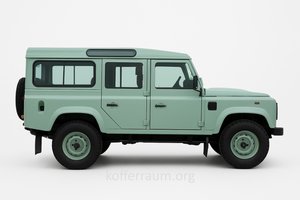
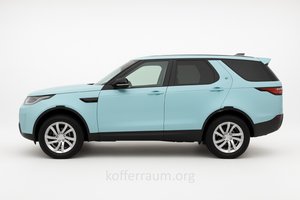
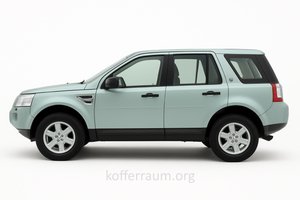
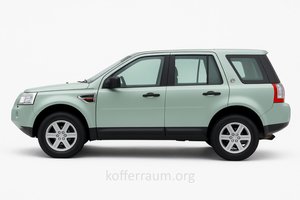
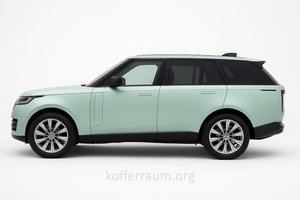
About Land Rover
Land Rover has stood for decades for rugged off-road capability, British engineering, and a distinctive design that combines functionality with refined elegance. The brand emerged after World War II and quickly established itself as synonymous with vehicles that reliably perform in the toughest terrain—whether on farms, expeditions, or military use.
At the core of the brand is the combination of off-road expertise and everyday comfort. Models like the Defender, Discovery, and Range Rover cover different needs: the Defender embodies purity and extreme sport capability, the Discovery offers versatility for families and work, while the Range Rover combines luxury, tranquility, and high-tech for travel on any surface. In addition to these main lines, there are specialized variants like the Range Rover Sport or the Evoque, which serve sportier or more urban niches.
Technically, Land Rover focuses on continuous development: modern all-wheel-drive chassis, Terrain Response systems, and sophisticated driver assistance systems are part of standard or optional equipment. These systems allow off-road capability, driving comfort, and safety to be dynamically adapted to changing conditions. At the same time, the brand invests in lightweight construction, material innovations, and more efficient engines to reduce consumption and emissions without diluting its core competence.
Design plays an important role: Land Rover models are characterized by clear, cubic shapes and a distinctive silhouette. The Range Rover’s design is more focused on prestige and luxury, while the Defender deliberately emphasizes rugged proportions and practical details. Interior design combines high-quality materials, careful craftsmanship, and intuitive controls—modern connectivity and infotainment are just as important as solid controls for use off paved roads.
The brand has also embraced the shift in mobility: electric drives, plug-in hybrids, and battery-electric models are being introduced step by step. The goal is to maintain off-road capabilities even with alternative drives while improving the ecological footprint. Parallel to this, Land Rover works on sustainable production methods and responsible supply chain management.
Owners of Land Rover appreciate the feeling of reliability, adventurousness, and uncompromising performance. The vehicles are deliberately designed to perform both in urban everyday life and in rough nature. This creates a wide range of uses—from commuting in the city to family trips to expeditions in remote regions.
Critics occasionally point out high fuel consumption and complex electronics that can increase maintenance costs. Land Rover responds with improved warranty services, longer service intervals, and targeted software updates that enhance comfort and functionality. Land Rover maintains a vibrant community of enthusiasts, adventure travelers, and lovers of classic models. Official accessories, customization options, and a growing selection of original spare parts strengthen resale value and brand loyalty. Collaborations with outdoor brands, participation in rallies, and proprietary experience centers underline the image. Thus, Land Rover remains not just a vehicle brand but a lifestyle that combines technology, craftsmanship, and a spirit of adventure. Future-oriented models aim to further closely link performance and sustainability—without compromise.