
Home » Trunk dimensions » Peugeot
Peugeot — trunk dimensions
39 models
-
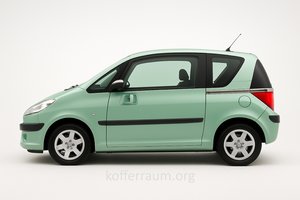 1007 Subcompact car
 -
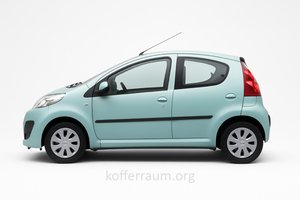 107 Subcompact car
 -
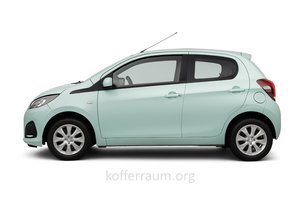 108 Subcompact car
 -
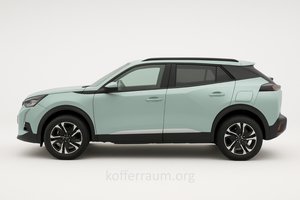 2008 SUV
 -
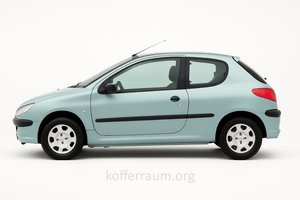 206 Subcompact car
 -
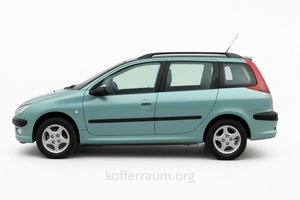 206 SW Wagon
 -
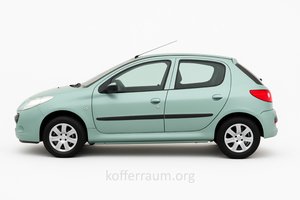 206+ Subcompact car
 -
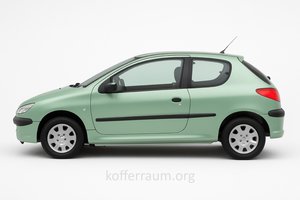 206S Subcompact car
 -
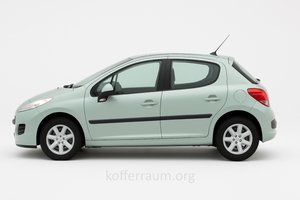 207 Subcompact car
 -
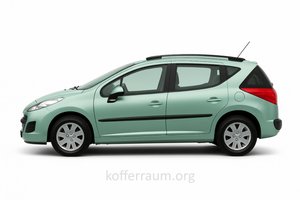 207 SW Wagon
 -
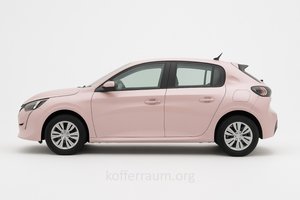 208 Subcompact car
 -
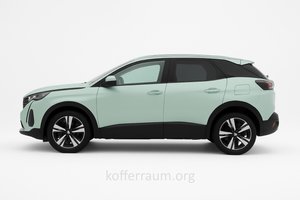 3008 SUV
 -
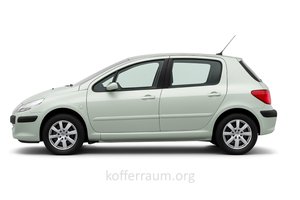 307 Compact car
 -
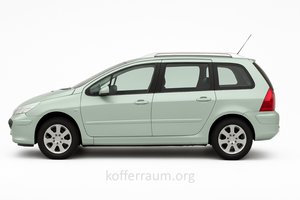 307 SW Wagon
 -
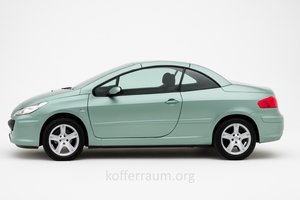 307 CC Convertible
 -
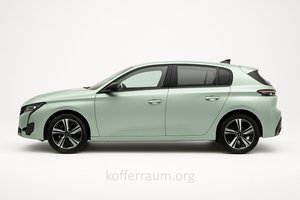 308 Compact car
 -
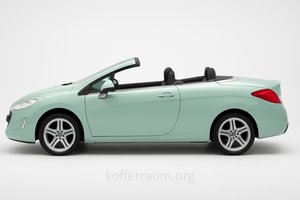 308 Convertible Convertible
 -
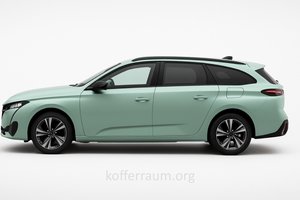 308 SW Wagon
 -
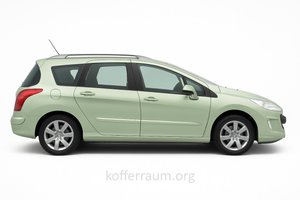 308 SW 3-row Wagon
 -
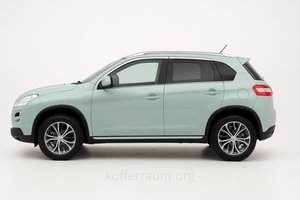 4008 SUV
 -
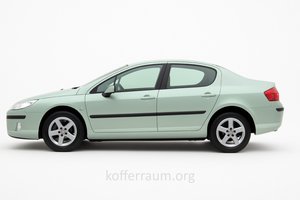 407 Sedan
 -
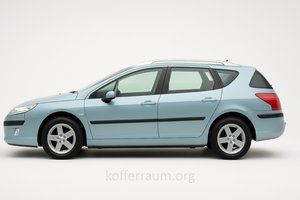 407 SW Wagon
 -
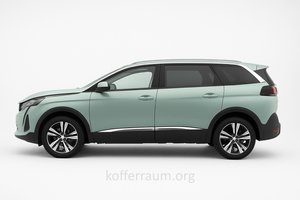 5008 SUV
 -
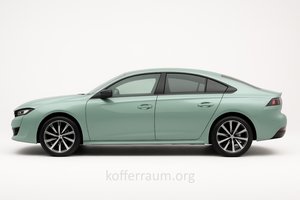 508 Hatchback
 -
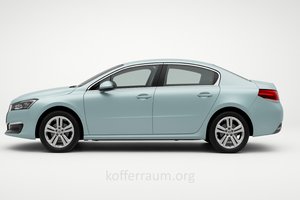 508 Sedan Sedan
 -
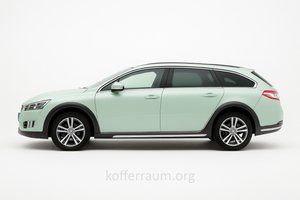 508 RXH Wagon
 -
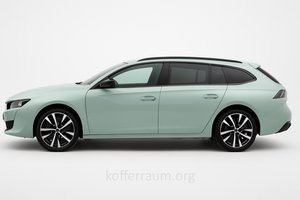 508 SW Wagon
 -
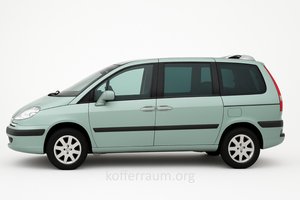 807 Minivan
 -
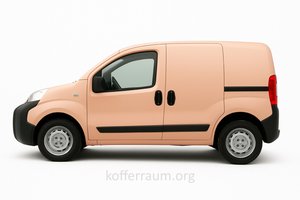 Bipper Van
 -
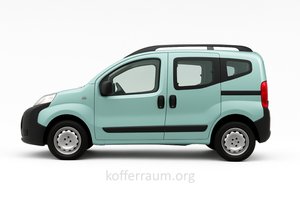 Bipper Tepee Minivan
 -
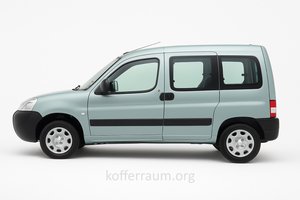 Partner Combi Minivan
 -
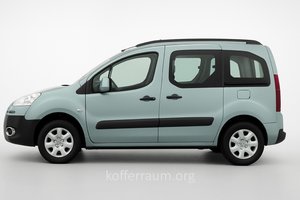 Partner Tepee Minivan
 -
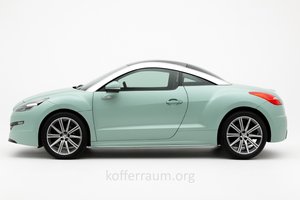 RCZ Coupe
 -
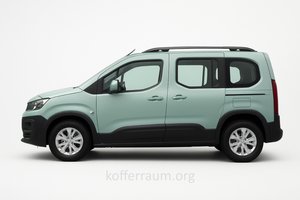 Rifter Minivan
 -
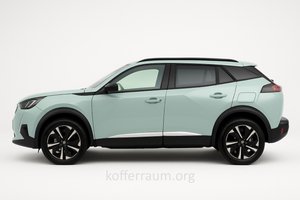 e-2008 Electric SUV
 -
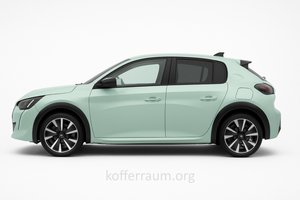 e-208 Electric hatchback
 -
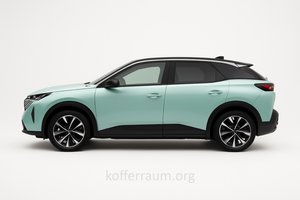 e-3008 Electric SUV
 -
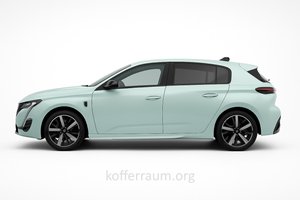 e-308 Electric hatchback
 -
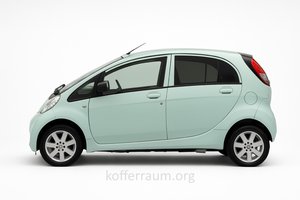 iOn Electric hatchback
About Peugeot
Peugeot is one of Europe's most traditional automotive brands, combining craftsmanship, engineering, and confident design throughout its history. Founded in the 19th century as a family business for tools and bicycles, Peugeot started early with the production of combustion engines, shaping mobility in France and beyond. The brand stands for robust technology, practical concepts, and a distinctive design that has continually reinvented itself over the decades.
At the core of the brand identity is a balance between everyday usability and a certain level of elegance. Models like the 204 and 504 demonstrated in the 1960s and 1970s that Peugeot could build both comfortable family cars and durable commercial vehicles. In the 1980s and 1990s, the 205 and later the 306 brought commercial success: compact, dynamic cars with clear design and good quality. Motorsport, especially rally victories, significantly contributed to the brand's image and proved its competence.
Design is another hallmark. Under various design chiefs, Peugeot developed a design language featuring distinctive grilles, striking light signatures, and clean surfaces. The current brand logo and front-end design represent a modern, urban aesthetic. Interiors in recent years have been focused on quality and user experience: high-quality materials, well-structured cockpits, and modern infotainment systems aim to appeal equally to drivers and passengers.
Technically, Peugeot has gone through several transformation phases. Traditionally strong in combustion engines, the brand invested early in more efficient powertrains and later in downsized turbo engines as well as diesel engines with low consumption. Since the start of electromobility, Peugeot now offers a range of electrified models: mild-hybrid, plug-in hybrid, and battery-electric vehicles expand the portfolio. The transition to electrification is staged to meet different customer expectations and regulatory requirements.
Market position and target groups are diverse. In Europe, Peugeot serves both private buyers and commercial fleet customers. The range extends from small city cars to compact SUVs and commercial vans. SUVs like the 2008 and 3008 are bestsellers and show how Peugeot can adapt to trends without losing its identity. At the same time, the brand focuses on sustainability, for example through recycling initiatives and more efficient production processes.
Historical milestones such as the Peugeot 402 with integrated headlights, the iconic 205 GTI, or the practical Partner and Expert shape the brand image as much as newer innovations. Peugeot also invests in customer loyalty through extensive service offers, warranty packages, and a dense dealer network in Europe. Despite global competition, the brand remains strong in its core region and tries to appeal to buyers through smart product strategy and emotional branding. Collaborations within the Stellantis group enable cost-efficient platform sharing and accelerate technology transfer. Ultimately, it is the combination of history, design, and technical progress that keeps Peugeot relevant — a car manufacturer that combines tradition with future viability. The brand’s future depends on electrification, software, lightweight construction, and convincing value for money, as well as the ability to make sustainable mobility solutions truly accessible to the masses.