
Home » Trunk dimensions » Seat
Seat — trunk dimensions
15 models
-
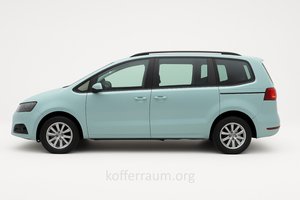 Alhambra Minivan
 -
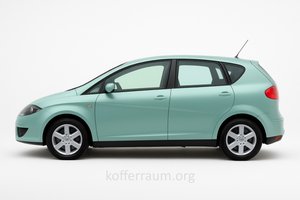 Altea Minivan
 -
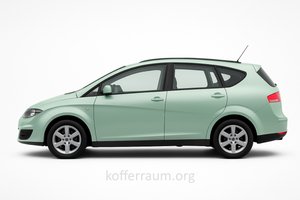 Altea XL Minivan
 -
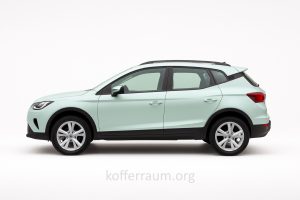 Arona Subcompact SUV
 -
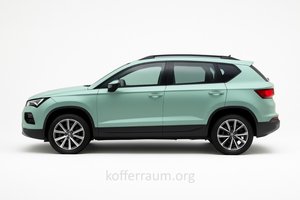 Ateca SUV
 -
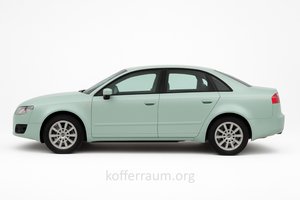 Exeo Sedan
 -
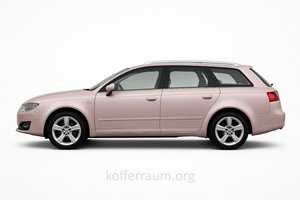 Exeo ST Wagon
 -
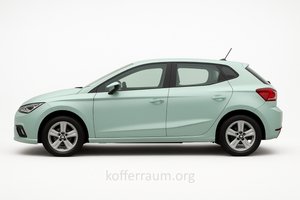 Ibiza Subcompact
 -
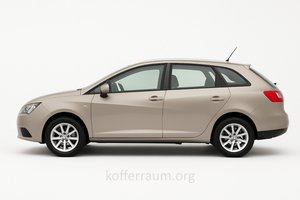 Ibiza ST Wagon
 -
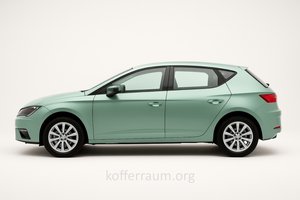 Leon Hatchback
 -
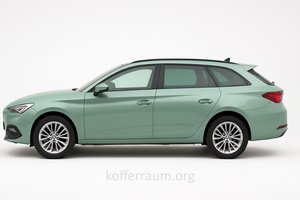 Leon Sportstourer Wagon
 -
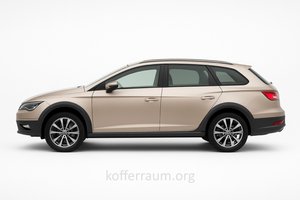 Leon X-PERIENCE Wagon
 -
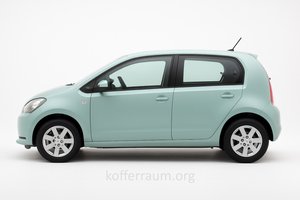 Mii City car
 -
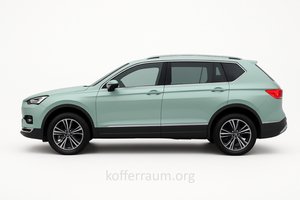 Tarraco SUV
 -
 Toledo Sedan
About Seat
SEAT is the Spanish automotive brand with a solid profile in Europe. Founded in 1950 as a state-supported project, it quickly grew to become Spain's most important car brand. Today, SEAT is part of the Volkswagen Group (since 1986) and is headquartered in Martorell near Barcelona. The combination of Spanish identity with German engineering shapes the brand, models, and market presence.
The core brand and model lineup target a younger, design-oriented audience. Classics like the Ibiza and the Leon stand for sportiness, everyday usability, and good value for money. Since the rise of SUVs, SEAT has expanded its range with the Arona, Ateca, and the larger Tarraco, securing its market share in key segments. Technically, SEAT often uses the platforms, engines, and driver assistance systems of the Volkswagen Group, especially the MQB modular architecture. This ensures solid driving dynamics, modern interior comfort, and high safety standards while keeping development and production costs efficient.
Design is a central communication tool for the brand. SEAT models feature dynamic lines, clear proportions, and a certain sporty tension that appeals to both urban drivers and young families. Interiors combine functionality with digital connectivity: large displays, intuitive infotainment systems, and assistance features are now standard. This positions SEAT as a practical premium brand at an affordable price.
The performance line developed into its own brand: Cupra. Emerging from the company's racing history, Cupra was spun off as an independent brand. Cupra takes over the sporty and increasingly electrified models, adding a premium-oriented profile to the lineup. For SEAT itself, this means a clearer brand architecture: SEAT remains the everyday brand with Spanish character, while Cupra focuses on performance and premium electric mobility.
Motorsport and engagement are part of the DNA. SEAT Sport has celebrated successes in rally and touring car series, sharpening both technology and brand image. Motorsport affinity is also reflected in production models through chassis tuning and dynamic equipment packages.
The present and future for SEAT are marked by transformation: electrification, digitalization, and more sustainable production. While Cupra increasingly introduces electric models, SEAT is working on electrifying its model range, hybrid powertrains, and more efficient production in Martorell. At the same time, the brand focuses on urban mobility solutions and new services to assert itself in an increasingly connected and low-emission market.
Production in Martorell remains the industrial backbone of the brand: modern assembly lines, strict quality controls, and a dense supplier network ensure efficiency. SEAT delivers a large share of its vehicles to foreign markets, significantly contributing to the Spanish economy. The balanced ratio of equipment and price, low operating costs, and a comprehensive service network are key strengths. Trends like carsharing, digital connectivity, and e-mobility are reflected in initiatives such as SEAT MÓ, which develops electric small vehicles and mobility services. Overall, SEAT faces the challenge of combining traditional strengths in driving dynamics and design with accelerated electrification and new mobility concepts. If this balance is achieved, opportunities for growth and customer expansion in Europe remain large and sustainable.