
Home » Trunk dimensions » Volvo
Volvo — trunk dimensions
22 models
-
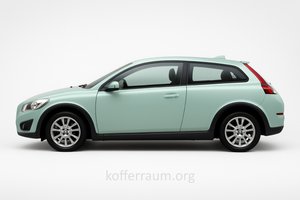 C30 Hatchback
 -
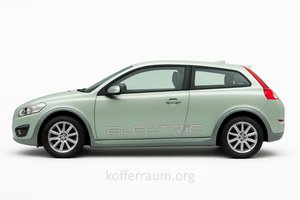 C30 Electric Hatchback
 -
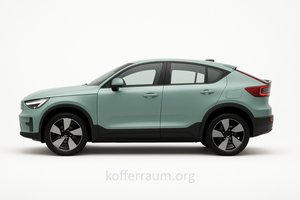 C40 SUV
 -
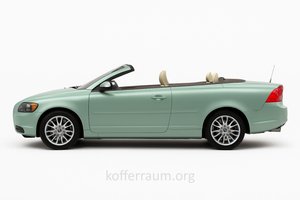 C70 Convertible Convertible
 -
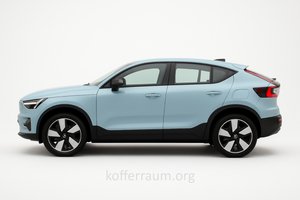 EC40 SUV
 -
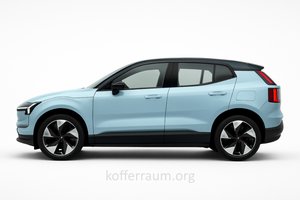 EX30 SUV
 -
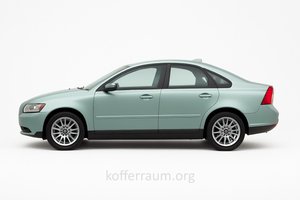 S40 Sedan
 -
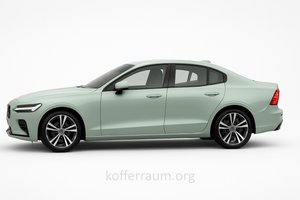 S60 Sedan
 -
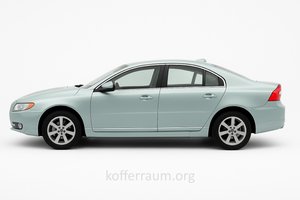 S80 Sedan
 -
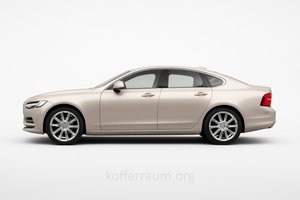 S90 Sedan
 -
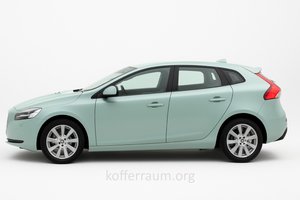 V40 Hatchback
 -
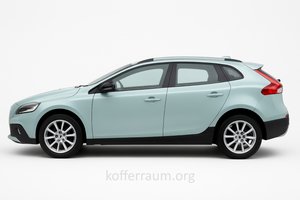 V40 Cross Country Crossover
 -
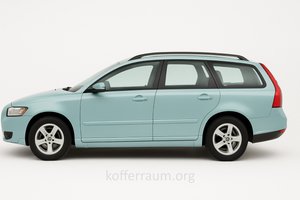 V50 Wagon
 -
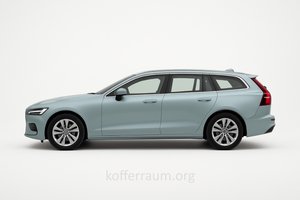 V60 Wagon
 -
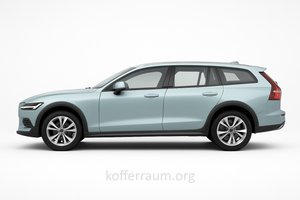 V60 Cross Country Wagon/Crossover
 -
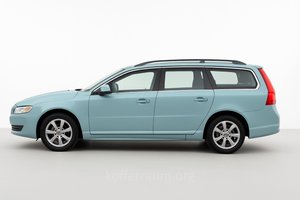 V70 Wagon
 -
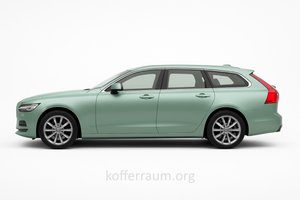 V90 Wagon
 -
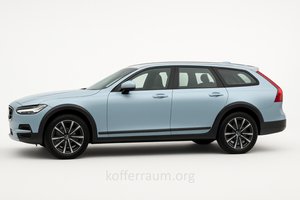 V90 Cross Country Wagon/Crossover
 -
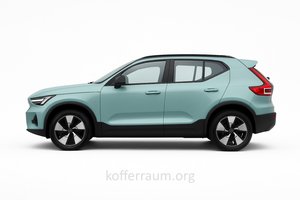 XC40 SUV
 -
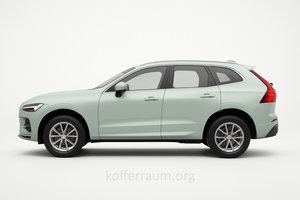 XC60 SUV
 -
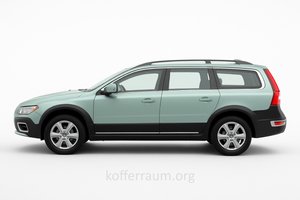 XC70 Wagon/SUV
 -
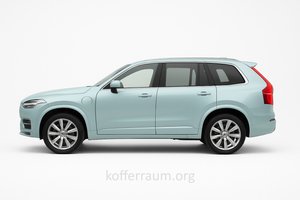 XC90 SUV
About Volvo
Volvo is a brand that stands out in the automotive world for two main things: a focus on safety and Scandinavian restraint. Founded in 1927 in Gothenburg, Sweden, Volvo began as an engineering project with the goal of building robust and reliable vehicles for harsh climates and challenging road conditions. This practical approach continues to define the brand today — not loud, but consistent.
Safety is in Volvo’s DNA. From the first three-point seatbelt that Volvo introduced to the public in 1959 to modern driver assistance systems, the development of passive and active safety solutions is part of the brand’s promise. Volvo has repeatedly set standards that have been adopted industry-wide. The goal of minimizing serious injuries is reflected in structural details such as rigid passenger compartments, well-designed crumple zones, and a focus on driver monitoring.
Volvo’s design is Scandinavian: clear, functional, and understated. Interiors favor simplicity, reduced control logic, and an aesthetic calm that emphasizes long-distance comfort and everyday usability. The interior is designed not to distract but to support focus — ergonomic seats, intuitive infotainment systems, and a clean instrument panel are typical. Exterior lines are more elegant and straightforward than aggressive; the design prioritizes durability over fleeting trends.
Technologically, Volvo has taken a clear direction in recent years: electrification and connected services. With the aim of reducing CO2 emissions and transforming urban mobility, Volvo is gradually converting its model lineup to plug-in hybrids and pure electric vehicles. At the same time, the brand invests in over-the-air software updates, driver assistance, and intelligent connectivity to simplify daily use and maintenance.
The model range reflects Volvo’s focus on everyday practicality: wagons, SUVs, and increasingly sedans with clear utility. Series like the 60 and 90 lines cater to different needs — from more compact family cars to more representative models with extra space and comfort. Volvo positions itself not as a mass-market brand but as a premium brand with a strong sustainability commitment: durable materials, recyclable components, and responsible production processes are gaining importance.
The brand character and target audience can be summarized as deliberate and conscious: customers who value safety, quality, and understated design find an offering at Volvo that does not provoke but builds trust. For fleet operators and families, the brand is attractive due to its economy, ease of use, and retained value.
Criticism lies in the premium positioning and the comparatively higher price level for equipment and spare parts. Additionally, the technical transformation to electromobility is a challenge for Volvo as it is for many manufacturers; charging infrastructure and software integration are ongoing areas of development.
Overall, Volvo remains a brand with a clear identity: practical, safety-driven, and increasingly sustainable. The combination of Scandinavian design, technical care, and a consistent focus on sustainability makes Volvo a reliable choice for those seeking a calm, thoughtful, and responsible automobile.