
Home » Trunk dimensions » Proton
Proton — trunk dimensions
3 models

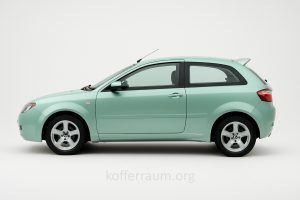

About Proton
Proton is Malaysia's national car brand and has stood since the 1980s for ambitious industrial policy, affordable mobility, and continuous technical development. Founded in 1983, Proton launched its first production model, the Saga, in 1985. The Saga was based on proven Japanese technology and fulfilled a clear purpose: to provide a reliable and affordable compact car for the general population. This promise shaped the brand's image for decades.
In its early years, Proton drew a lot of know-how from partnerships with companies like Mitsubishi. This cooperation allowed cost-effective technical solutions and resulted in a product lineup characterized primarily by easy handling and repair friendliness. In the 1990s, Proton acquired the British sports car company Lotus, which brought the brand expertise in chassis tuning and handling. This connection made Proton models more dynamically mature, showing that the brand wanted to be more than just a manufacturer of inexpensive cars.
Product-wise, Proton covers classic segments: compact cars like the Iriz and Persona, the traditional Saga series, and in recent years also SUVs. The Proton X70, a compact SUV, marked a turning point: modern design, contemporary equipment, and improved safety ratings that strengthened many customers' trust. Technically, Proton has evolved from simple naturally aspirated engines to more efficient powertrains, increased electronics, and modern infotainment systems. Progress has also been made in safety: newer models achieve better ratings in regional crash tests and now offer driver assistance systems that were uncommon just a few years ago.
The market positioning remains clear: Proton positions itself as a provider with an attractive price-performance ratio. This is an advantage in home markets like Malaysia, where the brand enjoys strong local ties and high loyalty. Proton has also been active in export markets—especially in Southeast Asia, but also at times in Europe and Australia. There, the challenges were greater: competitive pressure, high quality and safety requirements, and established competitors demanded adjustments and investments.
Important for recent history is the strategic partnership with Chinese manufacturers. Access to modern platforms, engines, and technologies allowed Proton to significantly improve quality and model range without losing traditional strengths like price attractiveness. The brand also benefited from modern manufacturing techniques and international supplier expertise.
Future topics for Proton are clear: electrification, digitalization, and expanding regional export opportunities. While many manufacturers aim for high volumes in the electric vehicle sector, Proton will have to proceed pragmatically—with hybrid solutions and gradual electrification that fit the infrastructure and markets. At the same time, the brand remains strongly rooted in national identity; for many Malaysians, Proton is more than a car manufacturer—it is a symbol of economic self-assertion.
Conclusion: Proton has developed from a pure provider of affordable compact cars into a serious regional player. With conservative but steady modernization, strategic partnerships, and a clear focus on price-performance, the brand can continue to grow in the coming years—provided it decisively addresses the challenges of technological and market change.