
Home » Trunk dimensions » Renault
Renault — trunk dimensions
38 models
-
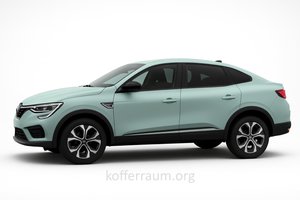 Arkana SUV
 -
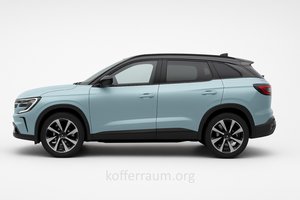 Austral SUV
 -
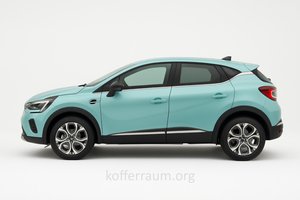 Captur Subcompact car
 -
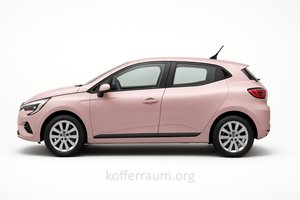 Clio Subcompact car
 -
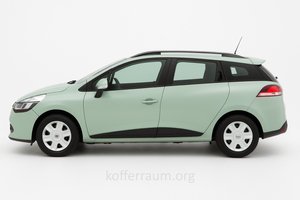 Clio Wagon Wagon
 -
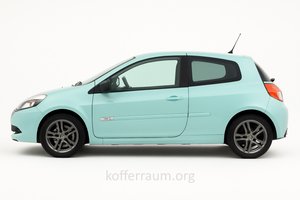 Clio R.S. Subcompact car
 -
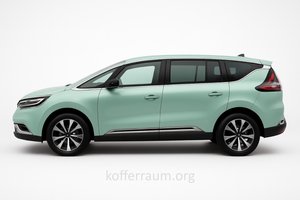 Espace Minivan
 -
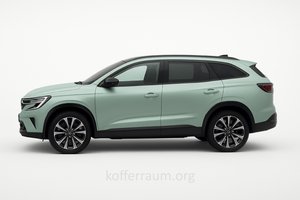 Espace E-Tech SUV
 -
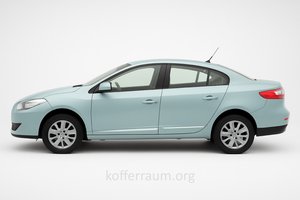 Fluence Sedan
 -
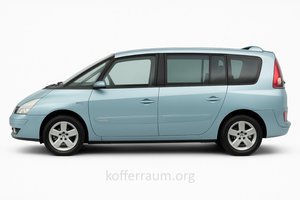 Grand Espace Minivan
 -
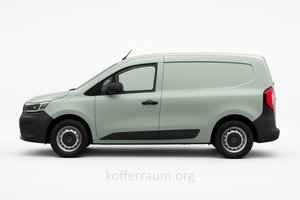 Grand Kangoo Minivan
 -
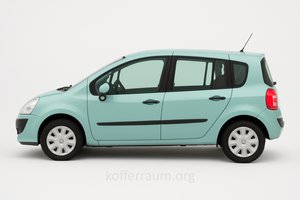 Grand Modus Minivan
 -
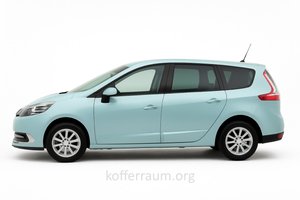 Grand Scenic Minivan
 -
.jpg) Grand Scenic (3-row) Minivan
Grand Scenic (3-row) Minivan -
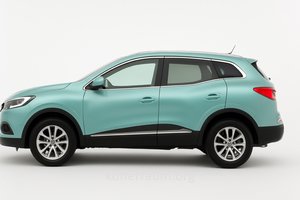 Kadjar SUV
 -
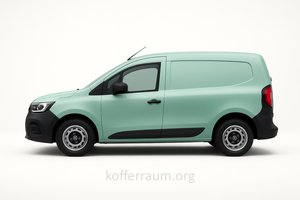 Kangoo Van
 -
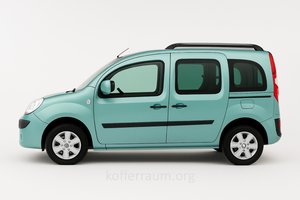 Kangoo Be Bop Van
 -
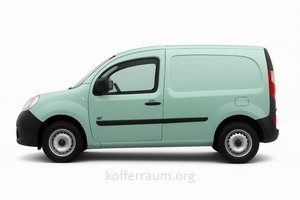 Kangoo Z.E. Van
 -
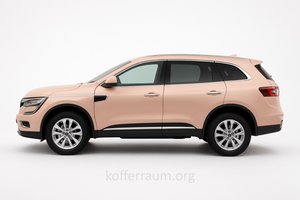 Koleos SUV
 -
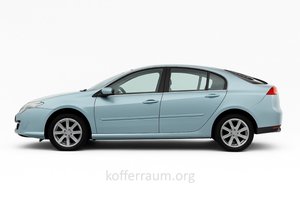 Laguna Hatchback
 -
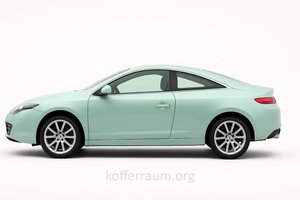 Laguna Coupe Coupe
 -
 Laguna Wagon Wagon
 -
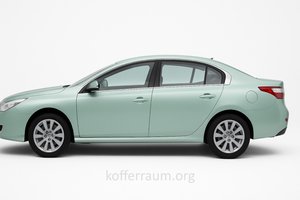 Latitude Sedan
 -
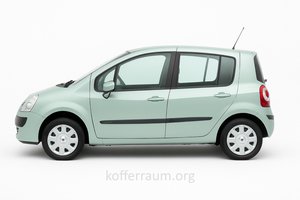 Modus Subcompact car
 -
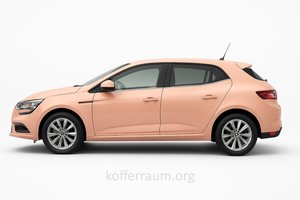 Megane Hatchback
 -
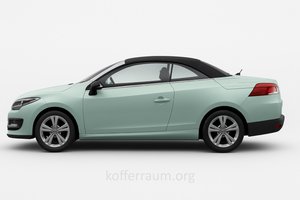 Megane Convertible Convertible
 -
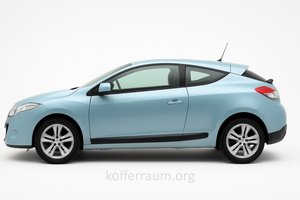 Megane Coupe Coupe
 -
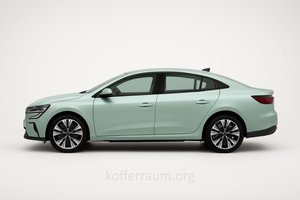 Megane E-Tech Hatchback
 -
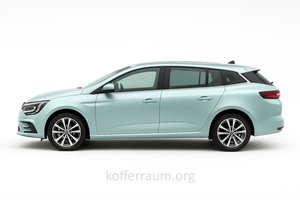 Megane Wagon Wagon
 -
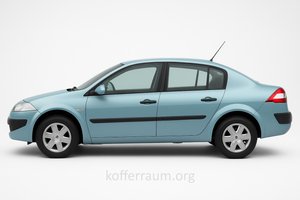 Megane Sedan Sedan
 -
 Megane Sport Wagon Wagon
 -
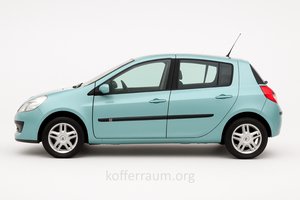 New Clio Subcompact car
 -
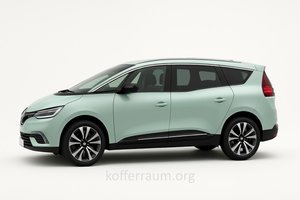 Scenic Minivan
 -
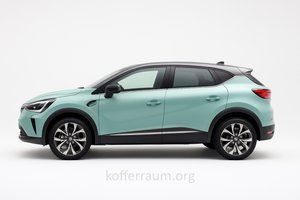 Symbioz SUV
 -
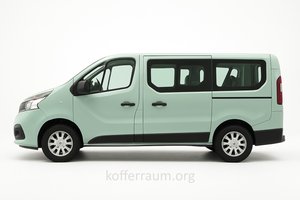 Trafic Grand Combi Van
 -
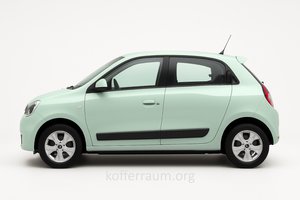 Twingo City car
 -
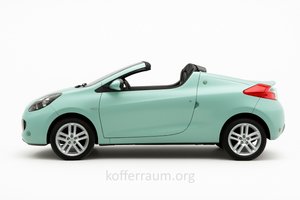 Wind Convertible
 -
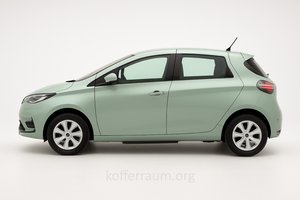 Zoe Subcompact car
About Renault
Renault has stood for French automotive culture, technological innovation, and distinctive designs for more than a century. Founded in 1899 by Louis, Marcel, and Fernand Renault, the company quickly evolved from a small workshop into a global manufacturer. Renault shaped early automotive concepts and contributed to the industrialization of the automobile with technical innovations such as four-cylinder engines and mass production.
The brand has positioned itself through a mix of technology and style. Striking design and a clear commitment to functionality characterize many models. From the compact Renault Clio to the larger Scénic, Renault appeals to different customer groups. Especially in Europe, Renault small cars are seen as a pragmatic solution for urban mobility: fuel-efficient, agile in traffic, and equipped with modern connectivity.
Innovation is a central claim. Renault was an early player in electric mobility and brought some of the most successful European electric vehicles to market. Alongside electrification, the company invests in hybrid technology, connected services, and autonomous driving functions. The strategic alliance with Nissan and Mitsubishi enables shared platforms and economies of scale, reducing development costs and increasing market reach.
Renault is also closely linked to motorsport. The brand has celebrated numerous successes in Formula 1, supplied engines for championship wins, and won races with its own teams. Motorsport served not only for image but also as a testbed for engine and chassis development. Technology matured on the racetrack later found its way into production vehicles – a synergy effect that strengthened Renault's technical credibility.
Sustainability and urban mobility shape the more recent direction. Renault develops concepts for carsharing, micro-transport solutions, and electric commercial vehicles. In the fleet sector, the focus is on efficient CO2 reduction to meet stricter emission standards. At the same time, the brand remains price-conscious to appeal to broad markets.
The model range shows a balance of tradition and modernity. Icons like the Renault 4 or Renault 5 have achieved cult status and shape the brand image. At the same time, Renault focuses on modern crossovers, SUVs, and electric models to meet current customer demands. Interiors focus on ergonomics, intuitive operation, and good value rather than excessive luxury.
Economically, Renault has gone through phases of expansion and restructuring. Restructuring programs, partnerships, and a stronger focus on high-margin models aim to ensure long-term stability. Challenges remain: competitive pressure, technological transformation, and geopolitical risks require continuous adaptation.
Renault remains a relevant player in the global automotive market. The combination of a strong European base, technical innovations, and a distinctive design identity secures a stable position for the brand. Those who choose Renault usually find a pragmatic, technically skilled vehicle with a clear profile – a brand that connects tradition and change.
Service and dealer networks play an important role in customer satisfaction; Renault invests in digital services, extended warranties, and transparent maintenance offers. Additionally, the brand works on modular platforms to adapt models more quickly to regional needs. Resale values vary depending on model and market, but competitive prices and low maintenance costs support economic efficiency. Looking ahead, Renault's strength remains the combination of cost-efficient technology, a strong brand identity, and the ability to adapt to technological and societal changes. This keeps Renault relevant for price-conscious customers with demands for innovation and long-term value.