
Home » Trunk dimensions » XPeng
XPeng — trunk dimensions
3 models
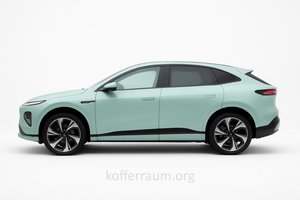
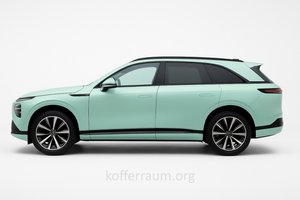
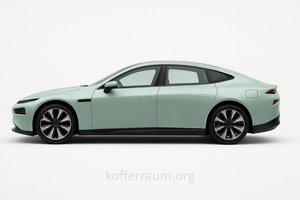
About XPeng
Xpeng is one of the emerging battery electric manufacturers from China, which has quickly evolved from a start-up to a serious competitor in the global market. Founded in 2014 in Guangzhou, the company has consistently focused its strategy on connected electric vehicles, software-centered development, and rapid scaling of production. Xpeng combines modern vehicle technology with a Silicon Valley-style focus on software, over-the-air updates, and driver assistance systems.
The model lineup started with compact SUVs and sedans that offered good value for money. Xpeng gained recognition especially with the P7, a sporty sedan with a long range, and the G3, a compact SUV aimed at budget-conscious buyers. Later, models like the P5, focusing on sensors and comfort, and the G9, a larger, technologically ambitious SUV, complemented the range. Each vehicle reflects Xpeng's goal to closely integrate design, electric architecture, and digital services.
Technology is the central differentiator. Xpeng invested early in driver assistance systems under the XPILOT brand. By combining camera, radar, and LiDAR technology with proprietary software algorithms, Xpeng aims to make semi-autonomous driving safer and more comfortable in everyday use. The ability to improve functions via OTA updates is also important—a concept successfully popularized by software-first manufacturers. Additionally, Xpeng is working on its own processors and AI integration to optimize computing power and efficiency.
Infrastructure and service offerings are part of the strategy. Xpeng operates its own showrooms, service centers, and a network of fast-charging stations in China. For international markets, the company focuses on selective expansion and partnerships, for example in Europe, where dealer networks and local approvals mark steps toward market establishment. Pricing strategy often positions Xpeng below traditional premium manufacturers, yet it offers features and user experience closer to higher-priced competitors.
Challenges remain. The global competition in electric mobility is intense, with established manufacturers and new Chinese rivals. Margin pressure, supply chain risks, and geopolitical tensions affect expansion and production planning. Furthermore, brand image increasingly depends on quality, reliability, and customer experience—here, the execution of technical promises determines sustainable growth.
From an automotive writer’s perspective, Xpeng is interesting because the company does not just sell vehicles but builds an ecosystem of software, services, and mobility solutions. The combination of ambitious technology, rapid product cycles, and attractive pricing makes Xpeng a relevant player. The key will be whether the company can find a long-term balance between innovation, quality, and international adaptability. If successful, Xpeng could secure a firm place in the global electric mobility landscape.
Operationally, profitability remains a central issue: investments in research, production, and international expansion weigh on margins in the short term. At the same time, vertical integration of battery, software, and vehicle architecture offers opportunities for cost reduction and differentiation. Collaborations with suppliers, bundled offers for energy services, and the development of proprietary mobility services could create recurring revenues. On the product side, continuous improvements in charging performance, battery chemistry, and recycling are necessary to meet regulatory goals and customer expectations. Brand building in Europe and North America also requires targeted quality assurance and after-sales services. Overall, Xpeng remains a dynamic, technology-driven challenger—with potential but also clear operational challenges on the path to global establishment. The coming years will decide success or the need for adaptation, and the industry is watching closely.