
Home » Trunk dimensions » Hyundai
Hyundai — trunk dimensions
36 models
-
 Accent Hatchback
 -
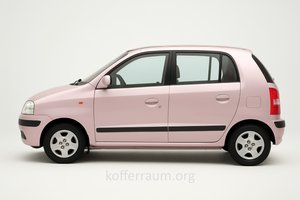 Amica Subcompact
 -
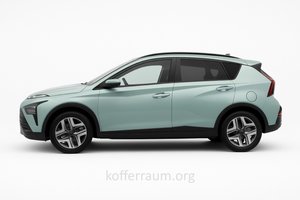 Bayon Subcompact
 -
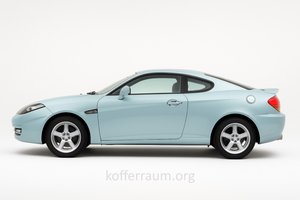 Tiburon Coupe
 -
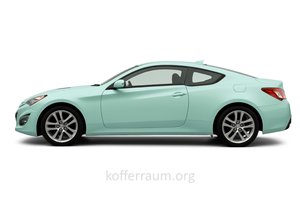 Genesis Coupe Coupe
 -
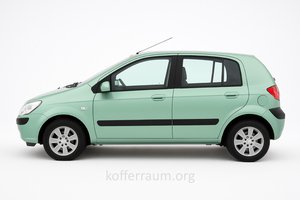 Getz Subcompact
 -
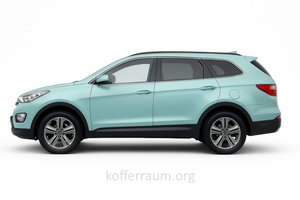 Santa Fe XL SUV
 -
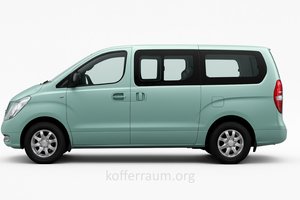 H-1 Van
 -
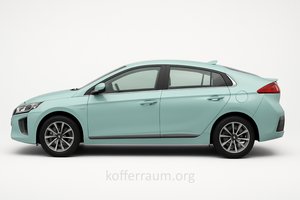 IONIQ Hatchback
 -
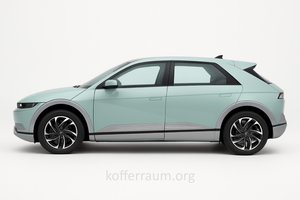 IONIQ 5 Crossover
 -
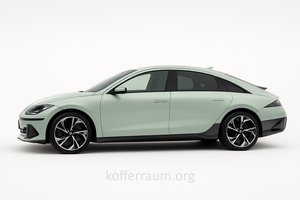 IONIQ 6 Sedan
 -
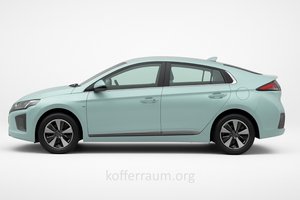 IONIQ Electric Hatchback
 -
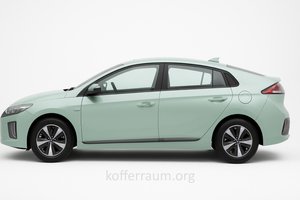 IONIQ Hybrid Hatchback
 -
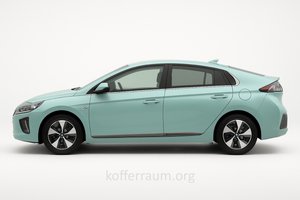 IONIQ Plug-in Hybrid Hatchback
 -
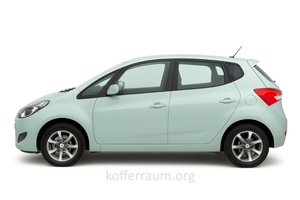 ix20 Subcompact
 -
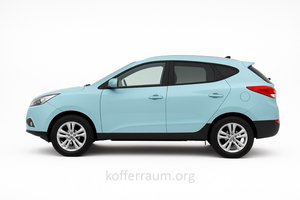 Tucson SUV
 -
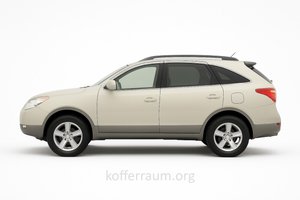 Veracruz SUV
 -
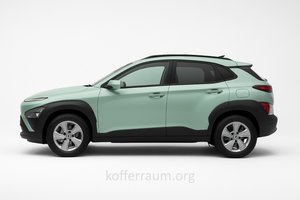 Kona SUV
 -
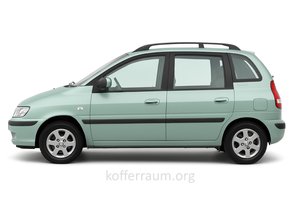 Matrix Van
 -
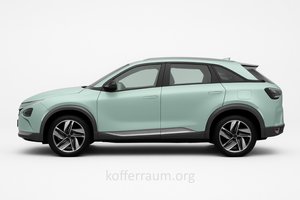 Nexo SUV
 -
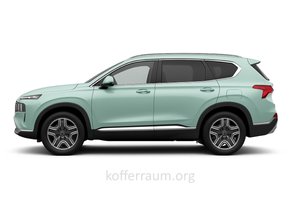 Santa Fe SUV
 -
.jpg) Santa Fe XL SUV
Santa Fe XL SUV -
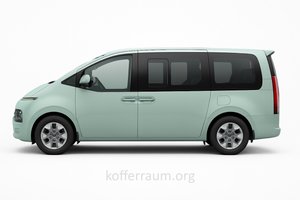 Staria Van
 -
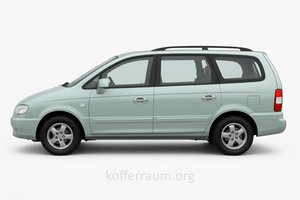 Trajet Van
 -
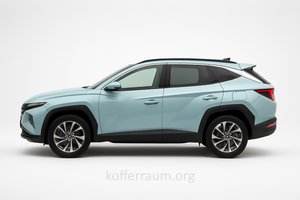 Tucson SUV
 -
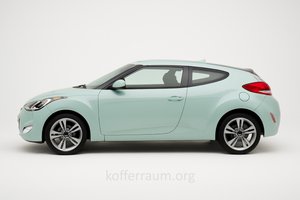 Veloster Coupe
 -
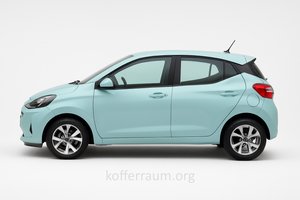 i10 Subcompact
 -
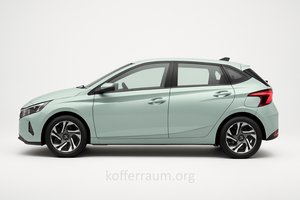 i20 Subcompact
 -
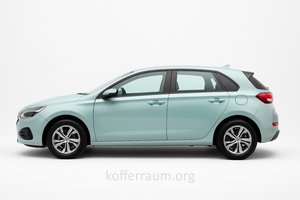 Elantra GT Hatchback
 -
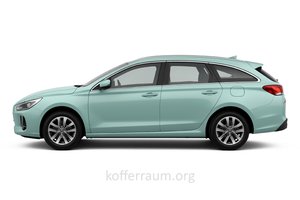 Elantra GT Wagon Wagon
 -
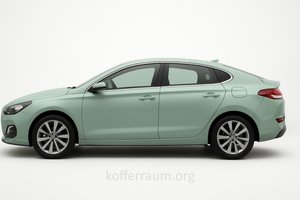 i30 Fastback Fastback
 -
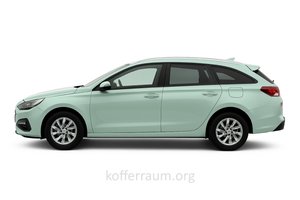 Elantra GT Wagon Wagon
 -
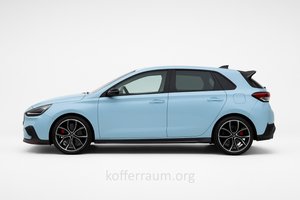 Elantra GT N Hatchback
 -
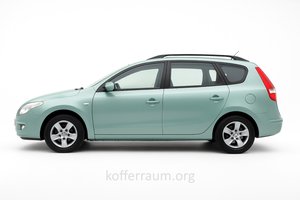 Elantra GT Wagon Wagon
 -
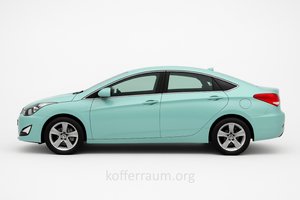 i40 Sedan
 -
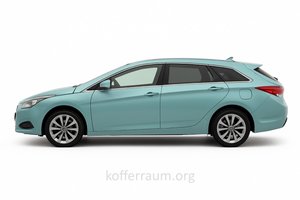 i40 Wagon Wagon
About Hyundai
Hyundai has developed from a pure value brand into a serious global automotive brand within a few decades. Today, the brand combines pragmatic sensibility with an ambitious technology and design strategy: affordable, improved-quality vehicles that address modern mobility needs — from compact everyday cars to fully electric flagships.
Historically, Hyundai started as a provider of affordable, reliable cars. This foundation has been maintained but supplemented by significantly improved material quality, better driving dynamics, and sophisticated design. The brand’s typical goal is clear: to offer vehicles that exceed their price class in terms of features, safety, and comfort. This promise is reflected in the clear lines of the product range and the focus on features buyers expect today — connected systems, driver assistance functions, and high-quality interior finishes.
Design and interior are central pillars of brand identity. Hyundai has established a design language that combines elegance with functional ergonomics. Interiors appear tidy and upscale, with control concepts largely digitized without being overloaded. The portfolio ranges from the compact i30 to practical SUVs like the Kona and Tucson, up to larger models such as the Santa Fe and Palisade. In parallel, Hyundai positions the Ioniq family as a clear electric brand: the Ioniq 5, 6, and 7 are based on the modular E-GMP platform and demonstrate how electric cars can be implemented in a contemporary way both technically and aesthetically.
Technology and powertrain are core competencies today. Hyundai invests heavily in electromobility, battery technology, and alternative drives. Besides pure battery EVs, the brand offers fuel cell technology (for example, the NEXO) and relies on flexible platforms that allow rapid expansion of the model range. Driver assistance systems and safety features are standard equipment on many models; the brand emphasizes good crash test results and practical safety concepts.
Performance-oriented customers find the N-Performance division at Hyundai. Models like the i30 N or Kona N show that the brand can also build sporty vehicles with direct handling and emotional appeal. This line strengthens the brand image and demonstrates technical competence beyond the mainstream.
Economically, Hyundai is attractive: good value for money, extensive warranty coverage, and low operating costs appeal to buyers. The combination of warranty, equipment, and modern technology makes Hyundai especially interesting for buyers who expect a lot of value for a limited budget. At the same time, the brand aims toward premium: high-quality models, advanced electrification, and global design are intended to enhance the brand’s long-term value.
Conclusion: Hyundai today is more than just affordable mobility. The brand delivers well-thought-out products across multiple segments, drives electrification forward, and offers occasional ventures into the performance world. For customers seeking modern design, current technology, and reliable costs in harmony, Hyundai is a contemporary, versatile choice.