
Home » Trunk dimensions » Mercedes Benz
Mercedes Benz — trunk dimensions
36 models
-
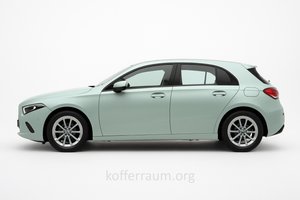 A-Class Hatchback
 -
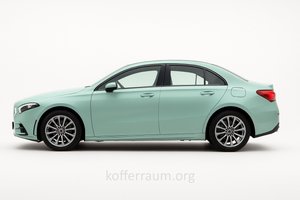 A-Class Sedan Sedan
 -
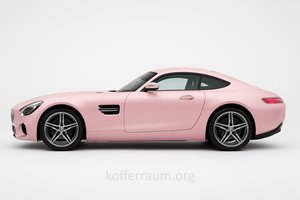 AMG GT Coupe
 -
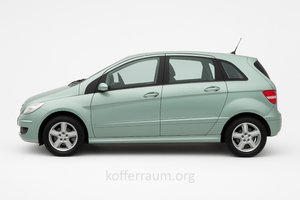 B-Class Hatchback
 -
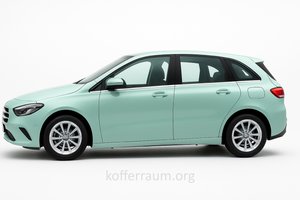 B-Class Van Van
 -
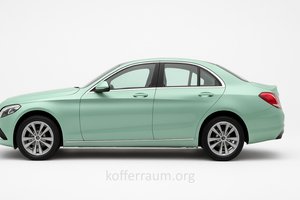 C-Class Sedan
 -
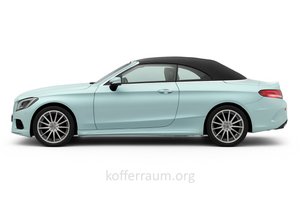 C-Class Cabriolet Convertible
 -
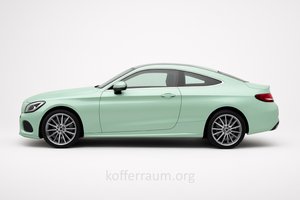 C-Class Coupe Coupe
 -
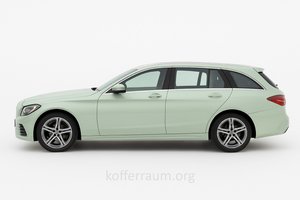 C-Class Wagon Wagon
 -
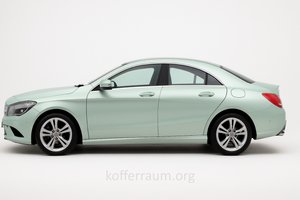 CLA Coupe
 -
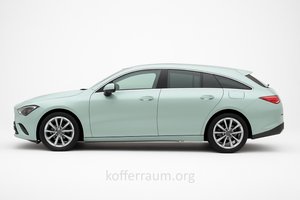 CLA Shooting Brake Wagon
 -
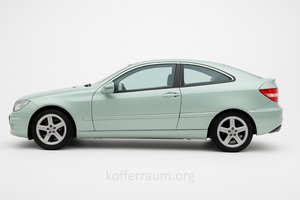 CLC Coupe
 -
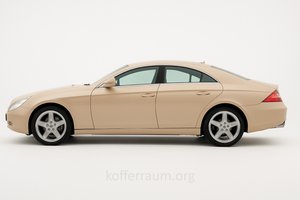 CLS Sedan
 -
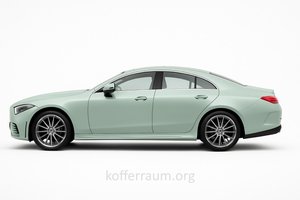 CLS Coupe Coupe
 -
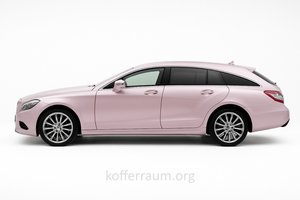 CLS Shooting Brake Wagon
 -
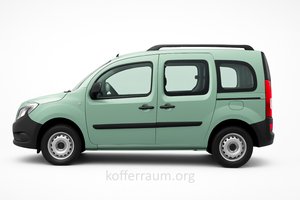 Citan Van
 -
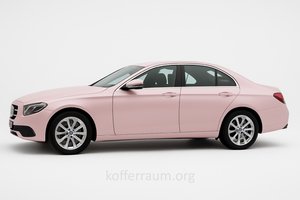 E-Class Sedan
 -
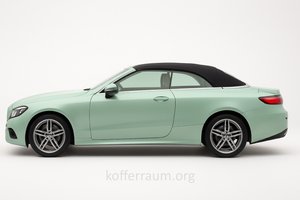 E-Class Cabriolet Convertible
 -
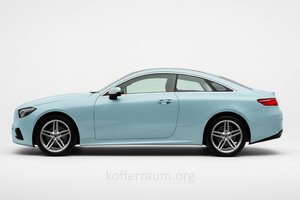 E-Class Coupe Coupe
 -
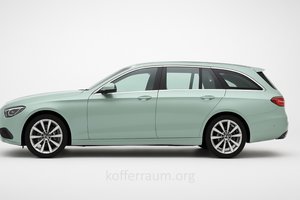 E-Class Wagon Wagon
 -
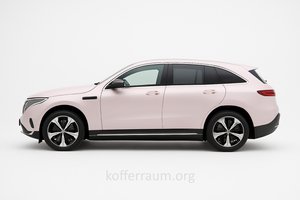 EQC SUV
 -
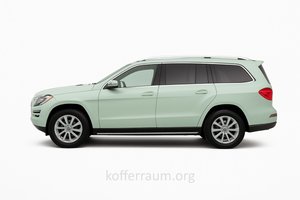 GL SUV
 -
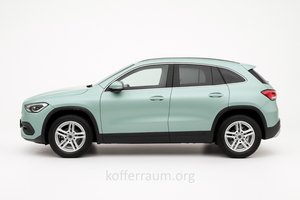 GLA SUV
 -
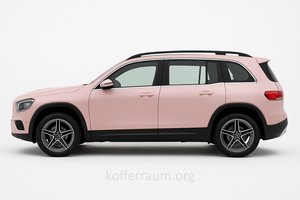 GLB SUV
 -
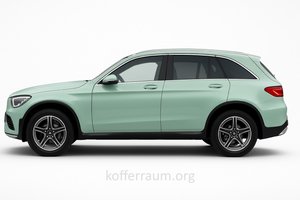 GLC SUV
 -
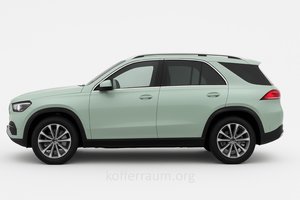 GLE SUV
 -
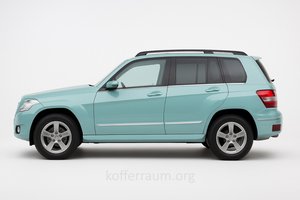 GLK SUV
 -
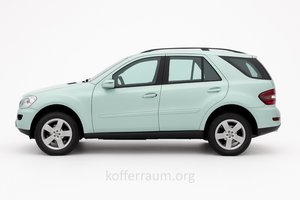 M-Class SUV
 -
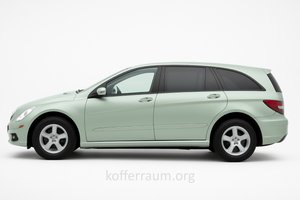 R-Class Van
 -
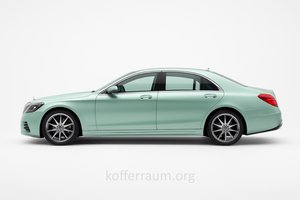 S-Class Sedan
 -
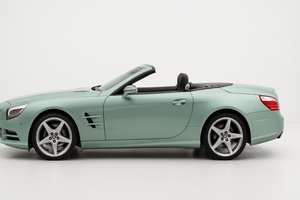 SL Convertible
 -
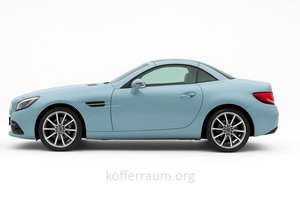 SLC Coupe
 -
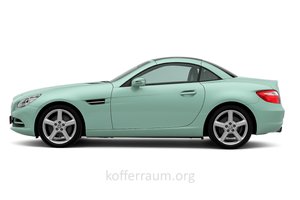 SLK Convertible
 -
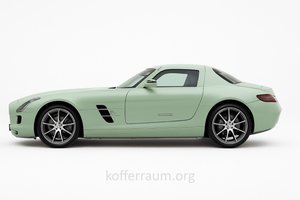 SLS Coupe
 -
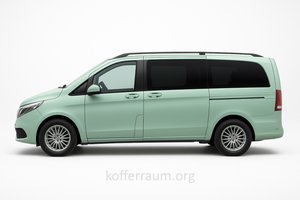 Metris Van
 -
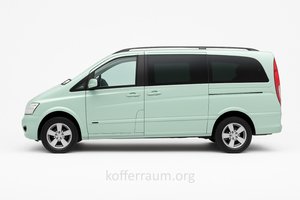 Viano Van
About Mercedes Benz
Mercedes‑Benz is one of the most distinctive automotive brands in the world — synonymous with engineering, luxury, and safety. Its roots trace back to the inventors of the automobile: Karl Benz, who introduced the Patent-Motorwagen in 1886, and Gottlieb Daimler, both pioneers of the early automotive era. In 1926, the companies merged to form Daimler‑Benz AG, establishing a brand core that combines technical excellence with craftsmanship quality.
Core Values and Design
Mercedes‑Benz represents a clear connection between technical precision and sophisticated design. The brand philosophy combines comfort and functionality with an elegant design language. Since the 2010s, the design philosophy "Sensual Purity" has shaped the appearance: reduced surfaces, clear lines, and at the same time sensual proportions. The result is vehicles that combine visual calm with emotional impact — from the compact A-Class model to the S-Class as a flagship luxury sedan.
Technological Standards
Mercedes has repeatedly set technological standards. The brand has significantly contributed to the development of passive and active safety — examples include crumple zones, early airbag concepts, and driver assistance systems that now come together in modern driver assistance packages. Mercedes was also a pioneer in areas such as ride comfort, vehicle electronics, and edge technologies, first implemented in luxury model series. With the AMG division, there is also a performance-oriented development and tuning workshop that combines sportiness with everyday usability.
Model Range and Target Groups
The portfolio ranges from compact city cars to mid-size sedans and SUVs, up to luxury sedans and specialty vehicles. Models like the C-Class or E-Class serve the core segment, while the S-Class and Mercedes-Maybach represent the top luxury class. SUVs such as the GLE or G-Class appeal to customers seeking robustness and prestige. At the same time, commercial needs are also served — the brand is broadly positioned.
Electrification and Future
Mercedes has long placed the mobility transition on its agenda. With the sub-brand EQ, the company is driving electrification forward: from battery-electric models to hybrid powertrains. In parallel, climate goals and CO2 reduction are pursued through more efficient production processes and more sustainable materials. The strategic realignment of the group to "Mercedes‑Benz Group AG" and the focus on premium electromobility express this transformation.
Brand Image and Market Position
Mercedes‑Benz combines tradition with innovation. The brand stands for status, reliability, and technical sophistication. In global markets, Mercedes competes with other premium manufacturers but holds its ground through brand loyalty, a broad product range, and consistent development.
Conclusion
Mercedes‑Benz is more than just a car brand: it is a term that links automotive past, present, and future. Whether classic, daily companion, or high-tech electric vehicle — Mercedes remains a benchmark for design, safety, and comfort while guiding the transition to more sustainable mobility.