
Home » Trunk dimensions » MG
MG — trunk dimensions
5 models
About MG
MG is one of the most distinctive and simultaneously most transformed automotive brands of the 20th and 21st centuries. Founded in the 1920s as a byproduct of the Morris factories, the name originally stood for "Morris Garages" and quickly became synonymous with British sports car culture through small, lightweight roadsters. Models like the MG TC, MGA, and the long-time bestseller MGB shaped the image of accessible driving fun: simple technology, lively handling, and a clear focus on driving enjoyment rather than luxury.
However, MG's history is not linear. After its heyday, decades followed under changing corporations — British Motor Corporation, British Leyland, and Rover — the brand was integrated multiple times into larger corporate structures, modernized, and partially diluted. The economic turmoil of the British automotive industry eventually led to MG practically disappearing from the market in the early 2000s until Chinese investors revived the brand. The company later merged with SAIC Motor, the current owner. This marked a new era: MG received capital for product development, manufacturing capacities in China, and access to modern platform technology.
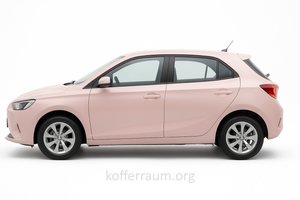
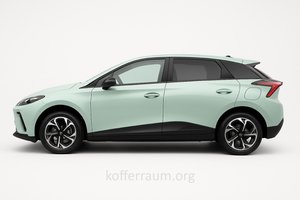
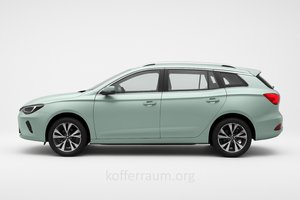
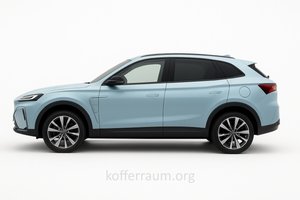
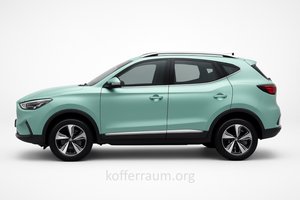
Under Chinese leadership, MG has reinvented itself. The model range today is broader and more market-oriented than ever before: from compact city cars to practical wagons, SUVs, and fully electric vehicles. Typical representatives include the MG3 (subcompact), the SUV ZS and the larger HS, as well as several electric variants like the ZS EV, the MG4 EV, and the electric wagon MG5. These models target buyers looking for good value, modern features, and contemporary design. Technically, the new MGs rely on turbocharged four-cylinder engines and electric motors, combined with driver assistance systems and infotainment, often offered at significantly more affordable pricing than established European brands.
The brand core preserves hybrid values: MG maintains its sporty DNA in communication but focuses practically on everyday usability, comfort, and affordable electric mobility. Design teams in the UK and Europe collaborate with engineers in China, resulting in cars that reflect a blend of British tradition and Chinese efficiency. At the same time, perceptions vary: classic enthusiasts appreciate the historical aura, modern buyers praise the equipment and price; critics view the brand as a product of global cost optimization.
Future themes for MG are clear: electrification, presence in Europe, and quality image. MG invests in battery-electric models and offers attractive warranties in many markets to build trust. The challenge remains to combine the heritage as a sporty brand with the demands of a modern, global manufacturer and to stabilize service and resale values in the long term.
In summary: MG is today a modern, practical automotive brand with British origins and Chinese production strength. For buyers seeking affordable vehicles with contemporary technology and a touch of sporty tradition, MG is a serious option — while purists continue to regard the classic models as the brand's benchmark.