
Home » Trunk dimensions » Mitsubishi
Mitsubishi — trunk dimensions
12 models
-
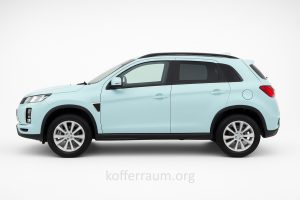 Outlander Sport Compact SUV
 -
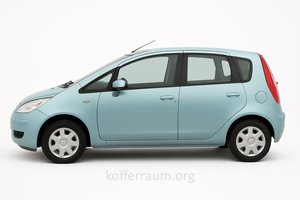 C Hatchback
 -
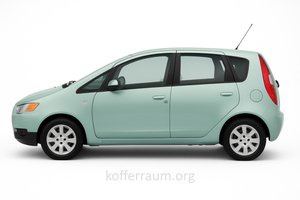 Colt Subcompact car
 -
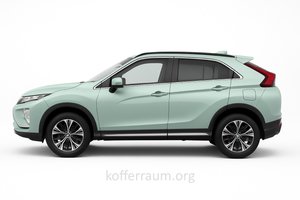 Eclipse Cross SUV
 -
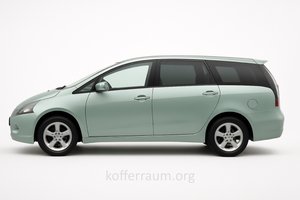 Grandis Minivan
 -
 Lancer Sedan
 -
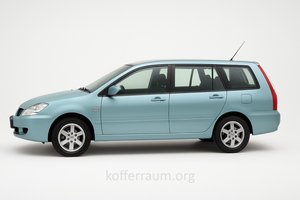 Lancer Wagon Wagon
 -
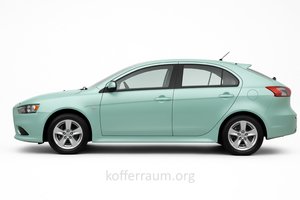 Lancer Sportback Hatchback
 -
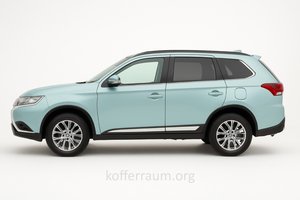 Outlander SUV
 -
 Montero SUV
 -
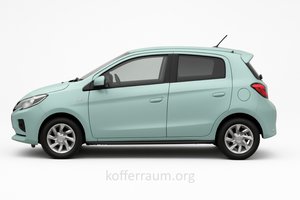 Mirage Hatchback
 -
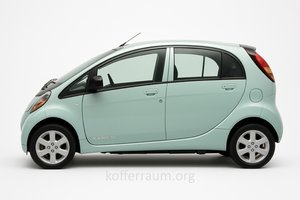 i-MiEV Electric car
About Mitsubishi
Mitsubishi is one of the older and more enduring brands in the Japanese automotive industry. Its roots lie in the Mitsubishi Group, whose first automobiles were produced at the beginning of the 20th century. Today, Mitsubishi Motors stands for robust engineering, practical SUV models, and a motorsport heritage that has significantly shaped the brand's image.
Brand Identity and Design
The three-diamond logo symbolizes stability and tradition. In terms of design, Mitsubishi has shifted from practical sedans and compact city cars to focusing on crossovers and SUVs. Characteristic features include clean lines, functional interiors, and an emphasis on everyday usability rather than extravagant luxury features. Mitsubishi models primarily appeal to buyers who value reliability, off-road capability, and good value for money.
Technology and Powertrain Concepts
Mitsubishi has developed several proprietary technologies relevant to everyday and off-road use. These include systems like Super Select 4WD, engine management under the name MIVEC, and practical drivetrain and suspension solutions for various applications. In recent years, Mitsubishi has been a pioneer in the plug-in hybrid segment, especially with the Outlander PHEV: the combination of combustion and electric drive remains the core of a strategy that links CO2 reduction with everyday practicality.
Models and Market Position
Classics such as the Lancer and especially the sporty Evo series brought Mitsubishi international recognition. In the off-road segment, the Pajero/Montero is known for its durability and rally successes in competitions like the Dakar Rally. Current bestsellers are compact and mid-size SUVs such as the ASX, Eclipse Cross, and especially the Outlander, whose PHEV variant has made it easier for many buyers to switch to partially electrified mobility. Mitsubishi is particularly strong internationally in Southeast Asia, Australia, and niche markets.
Motorsport and Image
Motorsport has long been a central element of the brand's perception. Racing successes created an image of technical competence and reliability under extreme conditions. Mitsubishi continues to leverage this heritage in product communication, even though the motorsport focus is less dominant today than during the rally heyday.
Challenges and Perspectives
Like many manufacturers, Mitsubishi faces the challenge of electrifying its model range while remaining profitable. The alliance with Renault and Nissan offers economies of scale in developing electric platforms and components. At the same time, Mitsubishi is increasingly focusing on its strengths: compact SUVs, affordable all-wheel-drive models, and PHEV offerings. The brand must compete against larger rivals and find a balance between tradition and future technology.
Conclusion
Mitsubishi remains a brand that centers on pragmatic mobility and robust engineering for everyday use. For buyers who value solid value for money, off-road capability, and proven hybrid solutions, Mitsubishi remains an attractive choice. The future depends on how successfully the electrification strategy is implemented and positioned in an increasingly competitive market.