
Home » Trunk dimensions » Porsche
Porsche — trunk dimensions
12 models
-
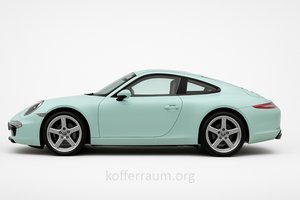 911 Carrera Coupe
 -
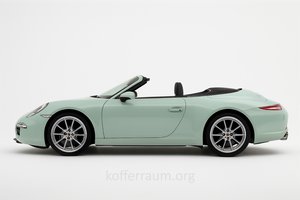 911 Carrera Cabriolet Convertible
 -
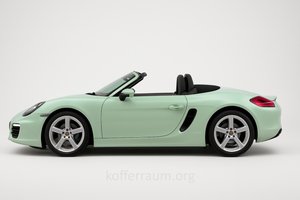 Boxster Convertible
 -
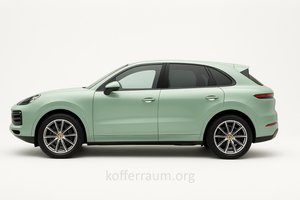 Cayenne SUV
 -
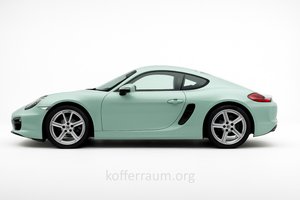 Cayman Coupe
 -
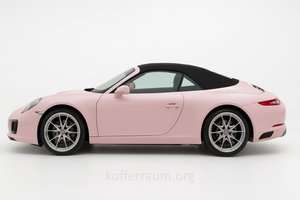 Gen2 Convertible
 -
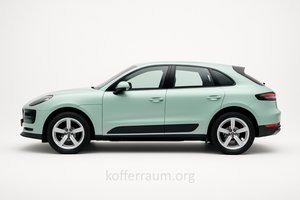 Macan SUV
 -
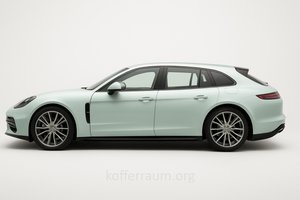 Panamera Wagon
 -
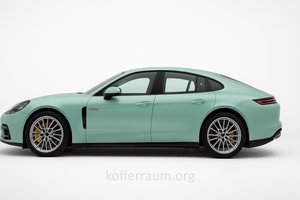 Panamera E-Hybrid Coupe
 -
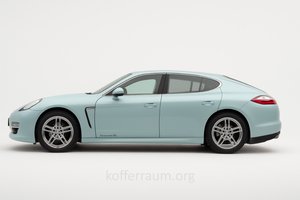 Panamera S Coupe
 -
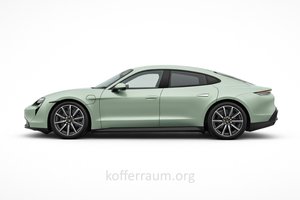 Taycan Coupe
 -
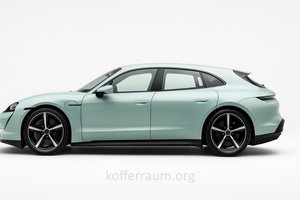 Taycan Sport Turismo Wagon
About Porsche
Porsche is more than just a car manufacturer; the brand represents a clear idea of sportiness, engineering excellence, and everyday usability. Since its founding in 1931, Porsche has evolved from a small development workshop into a globally recognized maker of iconic sports cars — from the early 356 to the legendary 911 series and modern models like the Cayenne, Macan, and the all-electric Taycan. The brand combines tradition with a drive for innovation, creating vehicles that appeal to both emotion and reason.
What distinguishes Porsche is the consistent focus on the driving experience. Every model aims to maximize driving dynamics, feedback, and precision. Technical features such as a low center of gravity, balanced weight distribution, direct steering feel, and finely tuned suspensions are no accident but the result of decades of development work. Even the SUVs carry this heritage: a Cayenne or Macan is designed not only to offer space but also to deliver the characteristic agility associated with the Porsche name.
Motorsport is a central part of the brand's DNA. Porsche has achieved impressive successes at Le Mans, various GT championships, and rallies. This racing experience flows directly into production vehicles — whether in the form of lightweight technologies, aerodynamic solutions, or durable powertrains. The racetrack serves as a laboratory where durability, cooling, and performance are tested to the limit before concepts are transferred to series production.
Porsche design is characterized by a clear language of form: reduced surfaces, powerful proportions, and an instantly recognizable silhouette. The 911’s distinctive roofline is iconic, but behind the tradition lies continuous evolution. The interior and choice of materials reflect high standards of quality and functionality. Ergonomics and usability are paramount; controls are arranged with the driver in mind, and digital displays complement classic instruments without diluting the pure driving experience.
Recent years have brought a significant shift: electrification and digital connectivity. With the Taycan, Porsche has proven that electric vehicles can be not only low-emission but also full of character and emotion. The brand continues to invest in alternative powertrains, sustainable production, and charging infrastructure, while staying true to its core promise: sporty performance, now with a new, electric intensity.
Porsche is also a statement in terms of luxury and customization. The main plant in Zuffenhausen and the manufacturing processes allow for a wide range of personalization options, turning vehicles into individual masterpieces. At the same time, reliability and value retention are important arguments for customers investing in a Porsche.
In conclusion: Porsche combines history and high-tech, emotion and reason. The brand creates products that are not just cars but complex solutions — developed for people who appreciate driving pleasure, precision, and quality. Whether combustion engine or electric drive, coupe or SUV: Porsche remains one of the most important icons in the automotive world because its products consistently sit at the intersection of technology and passion.