
Home » Trunk dimensions » Saab
Saab — trunk dimensions
7 models
-
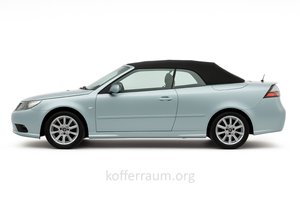 Saab 9 Convertible Convertible
 -
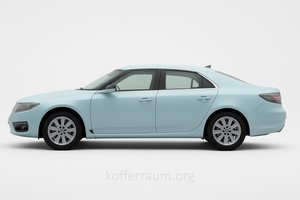 Saab 9-5 Sedan Sedan
 -
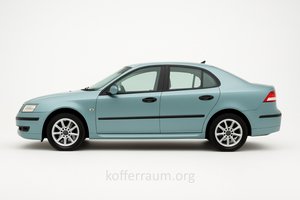 Saab 93 Sedan Sedan
 -
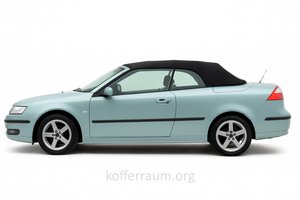 Saab 93 Convertible Convertible
 -
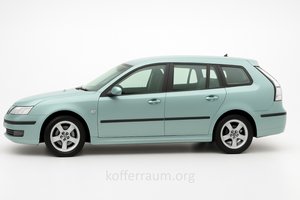 Saab 93 Wagon Wagon
 -
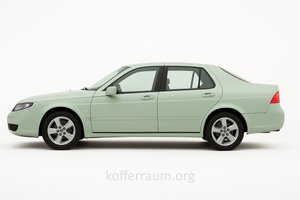 Saab 95 Sedan Sedan
 -
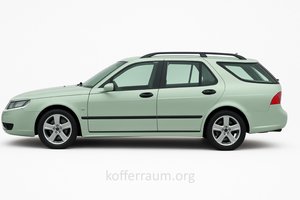 Saab 95 Wagon Wagon
About Saab
Saab is more than just a car brand; it is an expression of Scandinavian engineering, sober aesthetics, and an unusual heritage. Originating from aircraft manufacturing (Svenska Aeroplan Aktiebolaget), Saab sought solutions from the start that placed the driver at the center — ergonomic, safe, and technically advanced. These principles still shape the image enthusiasts have of the brand today.
Founded shortly after World War II, Saab presented its first passenger car, the Saab 92, in 1949. Even the early models featured characteristics that pointed to their aviation origins: streamlined bodies, well-visible cockpits, and a clear, functional design. Technically, the early Saab models were experimental — from two-stroke engines to innovative solutions in the interior and safety. From the 1970s and 1980s onward, models like the Saab 99 and later the legendary Saab 900 defined the brand image. The 900 became famous for its combination of comfort and turbocharged engines and gained cult status among drivers who valued confident long-distance qualities and character.
Turbocharging is often associated with Saab. The brand was among the pioneers who made turbo engines suitable for everyday use. Saab knew how to combine performance and everyday usability: smooth torque increase, durable engines, and a driver orientation that made driving understandable and pleasant. This was complemented by a consistent focus on driver safety and ergonomics — instruments clearly arranged, controls logically grouped, the ignition key placed space-savingly between the seats, a solution designed with occupant safety in mind.
Saab was never the largest, but it was independent. The character of the cars — unmistakably angular in some models, elegantly compact in others — appealed to a specific buyer group: technically interested, design-conscious people who valued individuality. Motorsport, such as in rally racing during the 1960s and 1970s, contributed to the brand's credibility. Saab vehicles proved to be robust, reliable, and surprisingly agile on loose surfaces.
Economically, however, Saab remained vulnerable. Several ownership changes in the 1990s and 2000s, and finally the takeover by General Motors, altered strategy and product range. After the financial crisis, insolvency followed in 2011; production facilities and intellectual property later changed hands, and with National Electric Vehicle Sweden (NEVS), an attempt at realignment with electric drive began. The revival remained fragmented, and the traditional Saab name lost some of its presence.
Despite economic turmoil, the Saab myth lives on. Well-maintained examples are in demand on the used car market; forums and clubs share maintenance tips, modifications, and experiences. For many vehicle owners, Saab stands for a different automotive philosophy: sober, technically thought through, with a touch of aircraft cockpit aesthetics.
Conclusion: Saab was and is a piece of automotive history that stands for everyday innovations, driver-centered design, and Scandinavian pragmatism. The future of the brand is uncertain, but Saab's influence on design, turbo technology, and driver ergonomics remains tangible — in the cars still on the road and in the ideas that other manufacturers continue to explore.