
Home » Trunk dimensions » Citroen
Citroen — trunk dimensions
33 models
-
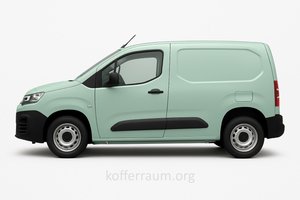 Berlingo Van
 -
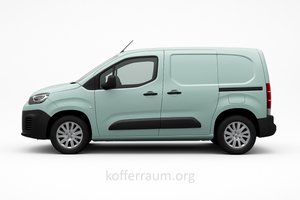 Berlingo M Van
 -
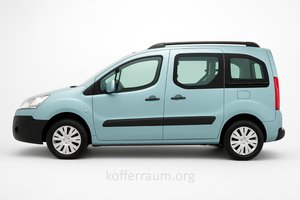 Berlingo Multispace Minivan
 -
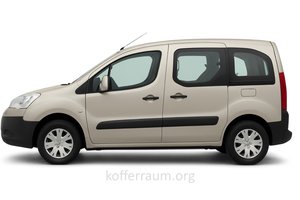 Berlingo Multispace Van Van
 -
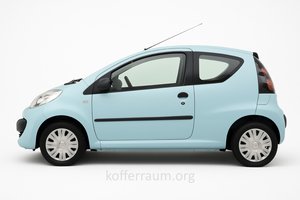 C1 Subcompact
 -
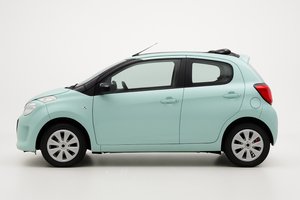 C1 Airscape Subcompact
 -
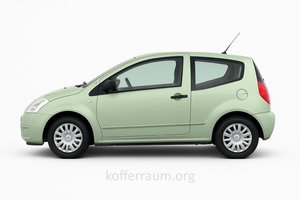 C2 Subcompact
 -
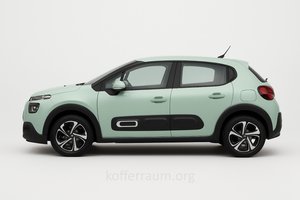 C3 Subcompact
 -
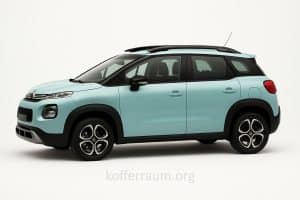 C3 Aircross Subcompact SUV
 -
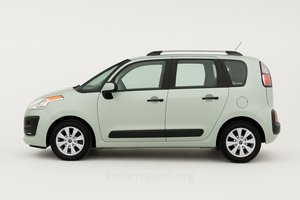 C3 Picasso Minivan
 -
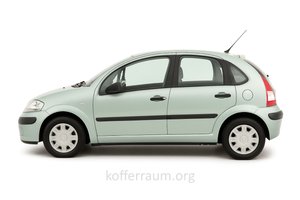 C3 SX Subcompact
 -
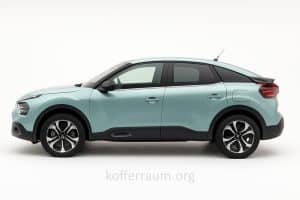 C4 Compact
 -
 C4 Aircross SUV
 -
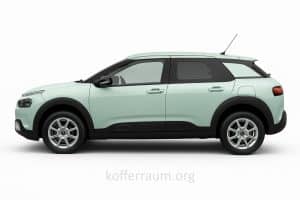 C4 Cactus Compact SUV
 -
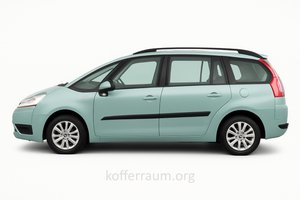 Grand C4 Picasso Minivan
 -
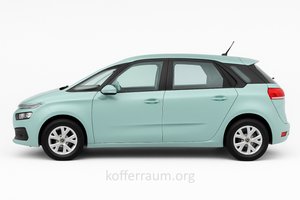 C4 Picasso Minivan
 -
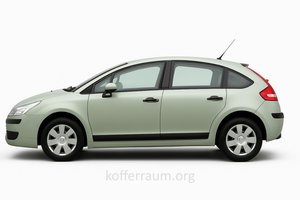 C4 SX Compact
 -
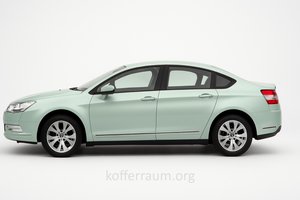 C5 Sedan
 -
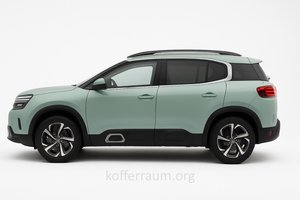 C5 Aircross SUV
 -
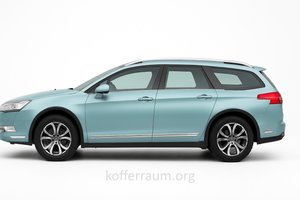 C5 CrossTourer Wagon
 -
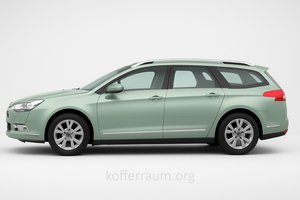 C5 Wagon Wagon
 -
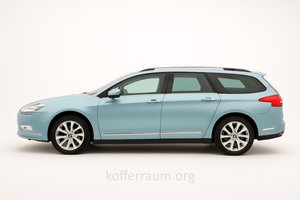 C5 Tourer Wagon
 -
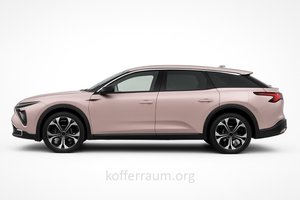 C5 X Wagon
 -
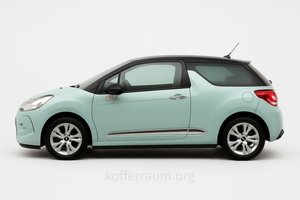 DS3 Hatchback
 -
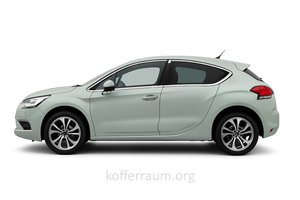 DS4 Hatchback
 -
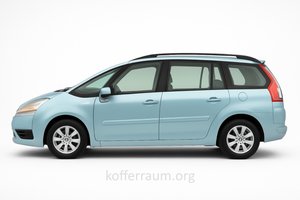 Grand C4 Minivan
 -
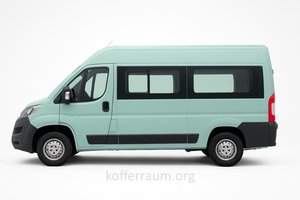 Jumper Kombi Van
 -
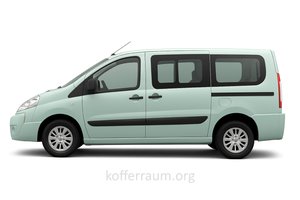 Jumpy Multispace Van
 -
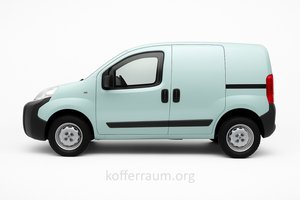 Nemo XLS Van
 -
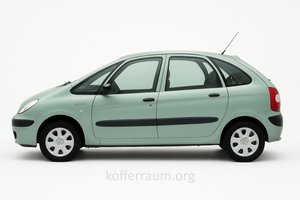 Xsara Picasso Minivan
 -
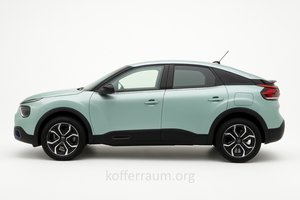 e-C4 Electric SUV
 -
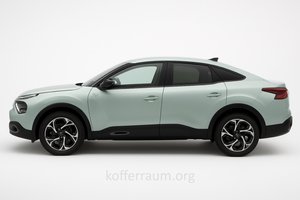 e-C4 X Electric Sedan
 -
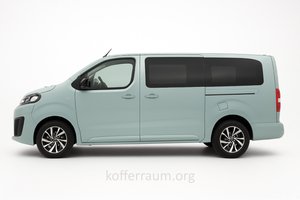 e-SpaceTourer XL Electric Minivan
About Citroen
Citroën is a brand that combines automotive history with a bold approach to unconventionality. Since its founding by André Citroën in 1919, the company has stood for technical innovations, distinctive design, and a clearly defined brand characteristic: comfort. This combination shapes Citroën's identity to this day and sets the French brand apart from many competitors.
Historically significant milestones include several key models. The Traction Avant (1934) was one of the first mass-produced cars with front-wheel drive and a unibody construction. In the 1950s, the DS set new standards: hydropneumatic suspension, aerodynamic shape, and a futuristic interior made it a legend. Such bold steps shaped Citroën's image as an avant-garde brand that preferred to experiment with technical solutions rather than imitate.
Design at Citroën is not just styling; it is an expression of a philosophy. Form follows comfort, not just aerodynamics or sportiness. This is evident in flowing lines and details that enhance everyday usability: raised seating position in SUV models, clever storage compartments, and simple controls. In recent years, Citroën has also developed a distinctive, colorful look that deliberately sets it apart from bland mass-market design and appeals to younger buyers.
Technically, Citroën remains innovative, albeit in a modern, market-driven form. The legendary hydropneumatics no longer exist as such, but the theme of ride comfort lives on in the "Progressive Hydraulic Cushions" suspension. In the field of electric mobility, Citroën offers clear, pragmatic options: electric versions of established models (ë-C4, ë-C3) as well as the ultra-compact Ami for city use. Under the Stellantis umbrella, the brand benefits from platforms and powertrain technologies without giving up its independent positioning.
The model lineup focuses on everyday practicality and value for money. Small cars like the C3 and urban-oriented concepts offer low operating costs and easy handling. The C4 and especially the C5 Aircross cater to customers seeking more space and comfort. In all models, the occupant is the focus: comfortable seats, reduced noise levels, and sensible equipment are often more important than sporty performance.
From a market strategy perspective, Citroën positions itself as a pragmatic alternative to premium manufacturers: less prestige, but more comfort for a moderate price. This position appeals to a broad target group — families, commuters, budget-conscious buyers, and urban users who value simple electric mobility.
Looking ahead: Citroën will transfer its comfort DNA into electrification. Design studies continue to show boldness in form, while the brand relies on modular platforms and software solutions from Stellantis. The challenge is to maintain the brand's original image while remaining competitive in an increasingly standardized market.
Citroën remains a brand with a clear identity. Those who value comfort, practical solutions, and distinctive design will find offerings here that promise no unnecessary luxury but truly make everyday life more pleasant. Citroën is less about show, more about utility — and that has been part of its character for a century.