
Home » Trunk dimensions » Lexus
Lexus — trunk dimensions
10 models
-
 CT Hatchback
 -
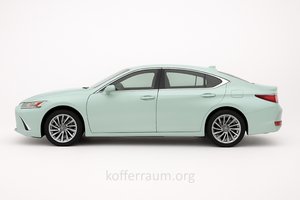 ES Sedan
 -
 GS Sedan
 -
 IS Convertible Convertible
 -
 LBX Compact SUV
 -
 LS Sedan
 -
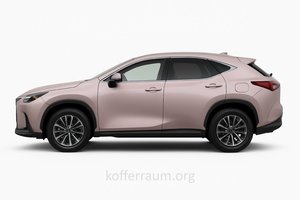 NX SUV
 -
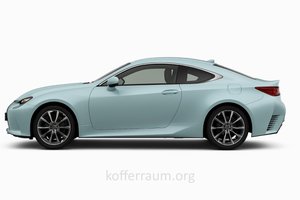 RC Coupe
 -
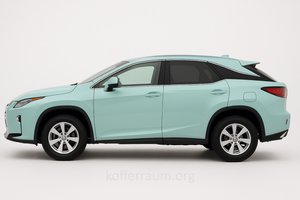 RX SUV
 -
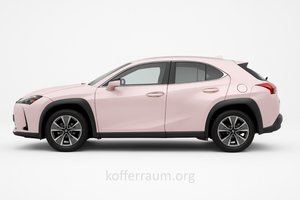 UX SUV
About Lexus
Lexus represents a distinctive interpretation of luxury: understated, precise, and technically sophisticated. The premium brand from Toyota debuted in 1989 with the LS 400 and from the start focused on a combination of meticulous build quality, smooth-running powertrains, and high reliability. Unlike many European rivals, Lexus relies less on ostentatious prestige and more on durable products that perform well in everyday use.
Design and perception have changed significantly over the years. While the first LS was classically elegant, today sculptural lines, bold grilles, and a clear brand identity define the image. Model lines such as ES, IS, RX, NX, LC, GS, GX, and LX cover all key segments—from compact premium SUVs to large sedans. The sportier "F" line and projects like the LFA demonstrate that Lexus also takes performance and emotion seriously.
Technology is a central theme. Lexus benefited early from Toyota’s hybrid expertise: with the 400h, luxury with hybrid drive became mainstream. Today, Lexus offers a broad range of hybrids, plug-in hybrids, and fully electric models. Platforms and powertrain technology follow Toyota’s strategy, such as the TNGA architecture, which optimizes driving dynamics, efficiency, and manufacturing quality. In terms of ride comfort and NVH (Noise, Vibration, Harshness), Lexus sets standards—insulation, precise tuning, and smooth engines create a relaxed atmosphere inside.
Craftsmanship in detail: Lexus emphasizes the sensitivity of manufacturing. The term "Takumi" refers to experienced master craftsmen who personally inspect details such as stitching, wood inlays, or seat comfort. This philosophy influences material selection and production maturity: leather, metal accents, and surfaces are coordinated to collectively convey a cohesive luxury feel without being intrusive.
Safety and driver assistance systems are integral to the offering. Lexus integrates active cruise control, lane-keeping assistants, and emergency braking functions into comprehensive driver assistance packages. Furthermore, the brand invests in vehicle connectivity and electromobility—with the goal of offering low-emission luxury without sacrificing comfort and performance.
Market position: Lexus is particularly strong in North America, where the brand has successfully competed against established German manufacturers since the 1990s. In Japan and other markets, Lexus distinguishes itself through customer service quality and high resale values. The brand has established itself as synonymous with reliable, everyday luxury, which is reflected in customer loyalty and image.
Criticism does exist: some models appear more conservative in design compared to their European competitors, and performance enthusiasts occasionally miss the final sporty edge. Nevertheless, Lexus consciously seeks a balance between comfort, technology, and emotional design.
Conclusion: Lexus offers a calm, thoughtful form of automotive mobility—with a strong focus on quality, hybrid efficiency, and craftsmanship. For those who value understated luxury, reliability, and high user comfort over flashy presence, Lexus provides a convincing, long-term oriented alternative in the premium segment.