
Home » Trunk dimensions » NIO
NIO — trunk dimensions
6 models
About NIO
NIO has developed from a Chinese start-up into one of the most visible brands in the electric vehicle market within a few years. Founded in 2014 by William Li, NIO positions itself as a premium brand focusing on technology, design, and customer experience. Unlike many traditional manufacturers, NIO does not rely solely on vehicle production but on an entire ecosystem of hardware, software, and services aimed at rethinking mobility.
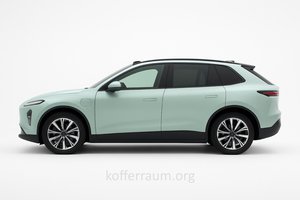
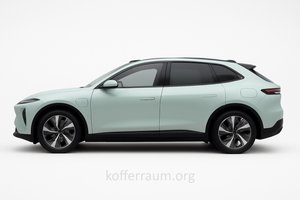
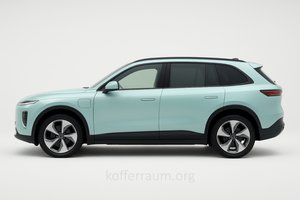
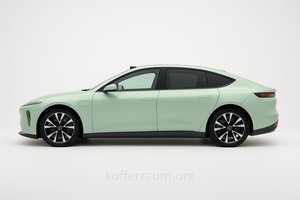
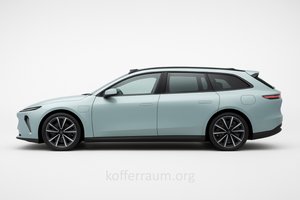
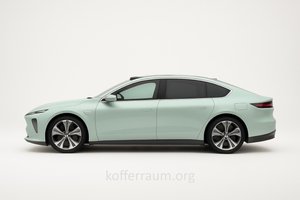
The model lineup began with SUVs like the ES8 and ES6, later expanding to coupe SUVs (EC6) and sedans (ET7, ET5), and gained media attention with the electric performance project EP9. Characteristic is the high design level: clean lines, distinctive front signature, and an interior-focused layout with a large display and digital user interface. NIO places great emphasis on over-the-air updates, allowing vehicles to be functionally improved over time — a key advantage over conventional models. A unique feature of NIO is the battery swap concept. Instead of relying solely on slow charging, NIO has built a network of swap stations where an empty battery can be exchanged for a fully charged one within minutes. This offering is complemented by various charging and service options as well as the "Battery as a Service" (BaaS) model, where customers can rent the battery. BaaS lowers acquisition costs and creates flexibility for battery upgrades but also presents logistical and capital-intensive challenges for NIO.
NIO invests heavily in autonomous driving. With NIO Pilot and its own development projects, the company is gradually pursuing SAE Level 2/3 functions, combining sensors such as cameras, radar, and in some cases lidar, along with advanced software algorithms. The vision is a connected, semi-autonomous driving experience that primarily offers urban users comfort and safety.
The brand also distinguishes itself through its community-oriented image: NIO Houses are more than showrooms; they serve as meeting points for customers, event venues, and service centers. This community building fosters loyalty and creates a user base that generates brand loyalty and recommendations — an important factor in a competitive market.
Despite technical strengths and a positive brand image, NIO faces several challenges. Dependence on the Chinese home market limits short-term international diversification; furthermore, margins in the EV industry remain a tough competitive point. Investments in infrastructure, research, and production are capital-intensive, and profitability requires economies of scale. At the same time, supply chain issues and geopolitical tensions create uncertainties.
Outlook: NIO has the potential to succeed as a technology and service provider beyond pure vehicle production. Success will depend on how efficiently it scales its infrastructure, enters international markets, and balances investments with profitability. For car buyers, NIO primarily offers an alternative, tech-oriented premium option that challenges traditional concepts of ownership, charging, and mobility.