
Home » Trunk dimensions » Jaguar
Jaguar — trunk dimensions
13 models
-
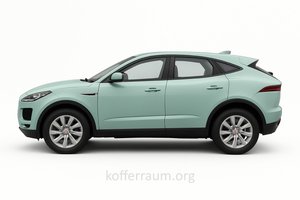 E-PACE SUV
 -
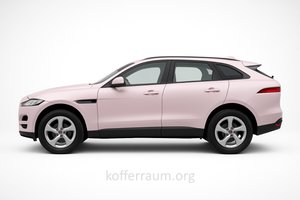 F-PACE SUV
 -
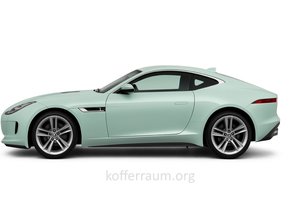 F-TYPE Coupe
 -
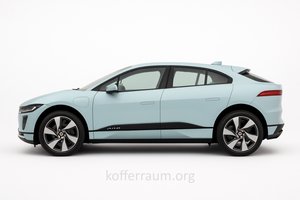 I-PACE SUV
 -
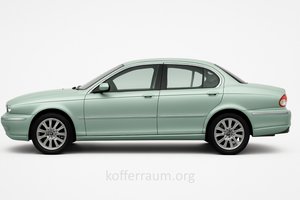 X-TYPE Sedan
 -
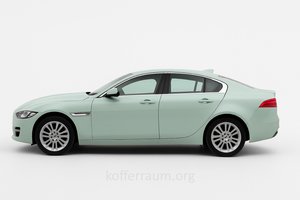 XE 20d Sedan
 -
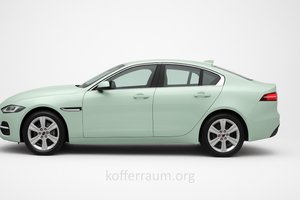 XE D180 Sedan
 -
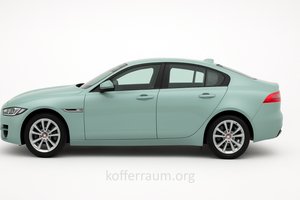 XE E-Performance Sedan
 -
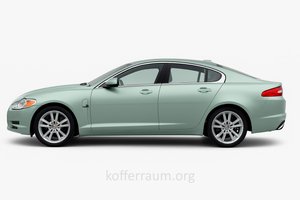 XF Sedan
 -
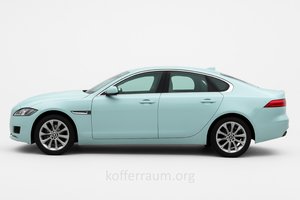 XF 20d Sedan
 -
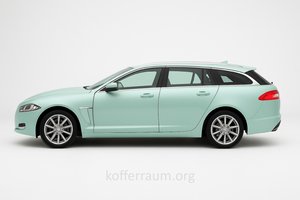 XF Sportbrake Wagon
 -
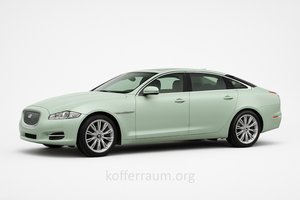 XJ Sedan
 -
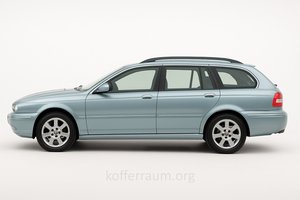 X-TYPE Wagon Wagon
About Jaguar
Jaguar is a brand that combines sportiness, British elegance, and technical ambition. Originally founded in 1922 as the Swallow Sidecar Company and renamed Jaguar after World War II, it has built an image over decades that blends classic design lines with dynamic driving performance and luxurious equipment.
Historically, models like the XK120, the legendary E-Type, and later the XJ series represent the mix of design and performance that made Jaguar famous. The E-Type was celebrated in the 1960s as an icon of automotive design; Enzo Ferrari reportedly called it the most beautiful car because of its appearance. Alongside its road history, there is a rich motorsport tradition: successes at the 24 Hours of Le Mans in the 1950s and further racing commitments underlined Jaguar's claim to be not only beautiful but also fast.
Design at Jaguar is a distinctive statement. The shape language includes sculpted hoods, flowing contours, and a clear, horizontal line that conveys sportiness and elegance simultaneously. Inside, the commitment to quality and craftsmanship is evident: high-quality materials, precise finishing details, and a cockpit-oriented interior layout that brings driver and car closer together. At the same time, Jaguar has modernized interior technology — contemporary infotainment systems, driver assistance, and connectivity complement the traditional material quality.
Technically, Jaguar has focused over past decades on lightweight construction, aluminum bodies, and powerful engines. Characteristic inline six-cylinder and V8 engines shaped the driving experience. More recently, electrification is changing the picture: with the I-Pace, Jaguar introduced a fully electric model that brought the brand into the electric premium SUV segment. At the same time, the company has announced plans to transition its product range to electric vehicles, leading the brand into the future.
Models like the F-Type maintain the sporty tradition, while SUVs such as the F-Pace and E-Pace secure commercial success. The XJ is being revised and repositioned, while development of a fully electric model lineup is underway. Jaguar faces the challenge of transferring its distinctive driving feel into an electric era: weight, sound, and the immediate response of combustion engines must be replaced by battery technology, software, and chassis tuning without diluting the brand DNA.
In the market, Jaguar competes with German and other British premium brands. The brand's strength lies in the combination of design, driver focus, and British luxury. Buyers who value style and an engaging driving experience often find a strong alternative in Jaguar to the more technically conservative offerings of larger manufacturers.
Conclusion: Jaguar remains a brand for purists and style-conscious drivers who combine speed with elegance. The challenge lies in the transition to electromobility — but this very change offers the opportunity to reinterpret Jaguar's characteristic virtues and make the brand attractive to a new generation of drivers.