
Home » Trunk dimensions » Kia
Kia — trunk dimensions
27 models
-
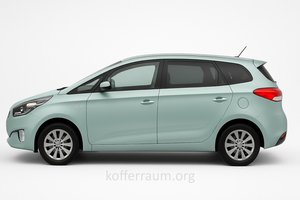 Carens Minivan
 -
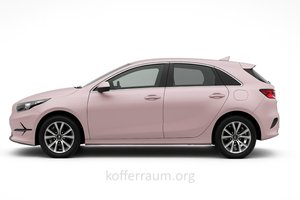 Ceed Hatchback
 -
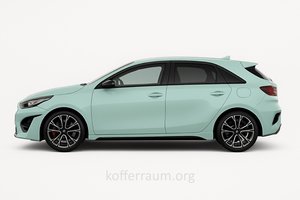 Ceed GT Hatchback
 -
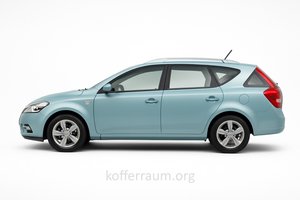 Ceed Wagon Wagon
 -
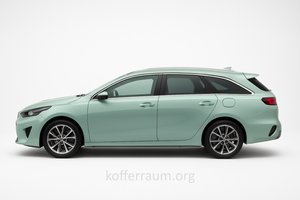 Ceed Sportswagon Wagon
 -
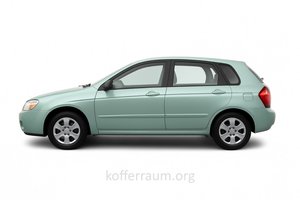 Forte Hatchback
 -
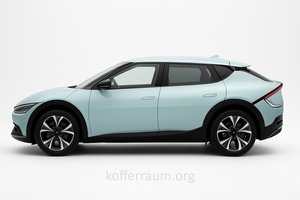 EV6 SUV
 -
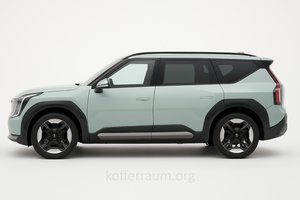 EV9 GT-Line SUV
 -
 Optima Sedan
 -
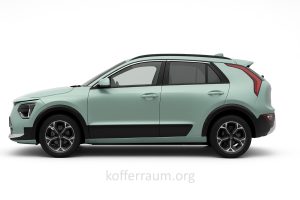 Niro Compact SUV
 -
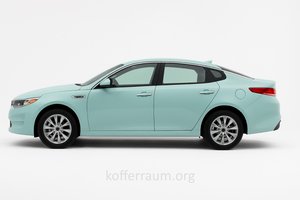 Optima Sedan
 -
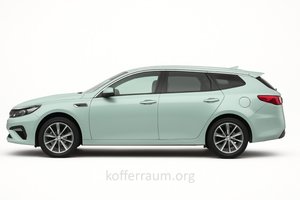 Optima Wagon Wagon
 -
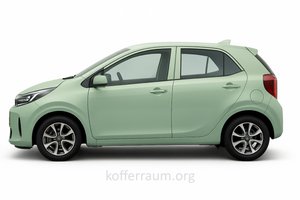 Picanto Subcompact Car
 -
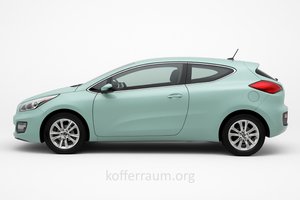 Pro Ceed Hatchback
 -
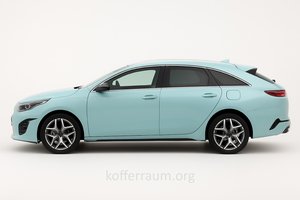 ProCeed Wagon
 -
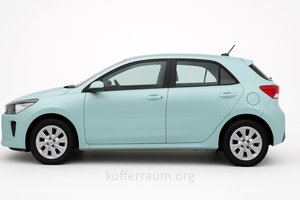 Rio Subcompact Car
 -
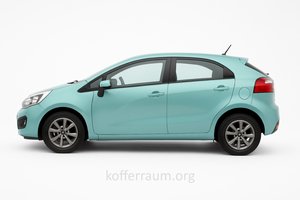 Rio Spirit Subcompact Car
 -
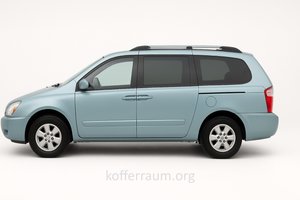 Sedona Minivan
 -
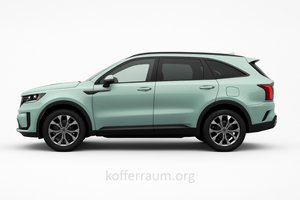 Sorento SUV
 -
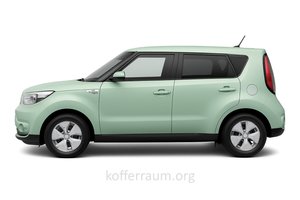 Soul EV Subcompact Car
 -
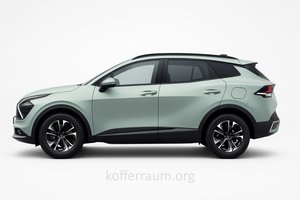 Sportage SUV
 -
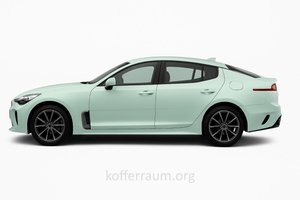 Stinger Hatchback
 -
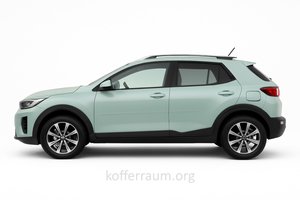 Stonic SUV
 -
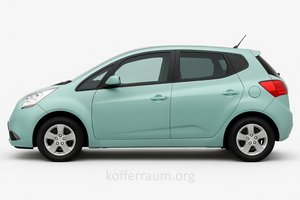 Venga Minivan
 -
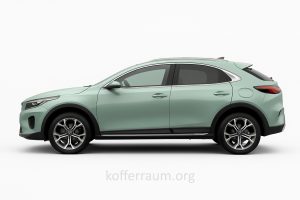 XCeed Compact SUV
 -
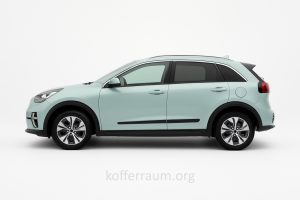 Niro EV Compact SUV
 -
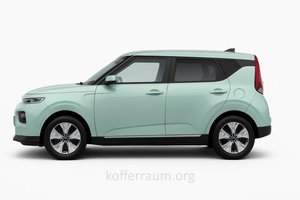 Soul EV Subcompact Car
About Kia
Kia has evolved over the past two decades from an affordable volume manufacturer into a serious competitor in the global automotive market. The brand, founded in South Korea, now combines attractive design, solid engineering, and a compelling value proposition. Kia has not only modernized its product portfolio but also systematically upgraded its brand image.
Historically, Kia started as a supplier of low-cost vehicles. However, with a strategic realignment and a clear focus on design and quality, the transformation was successful. Collaborative projects, investments in research and development, and partnerships with renowned designers have led to models that are no longer perceived merely as budget alternatives. The current design manifesto is evident in distinctive lines, the characteristic tiger-nose grille, and a bolder design language visible in models like the Stinger and the range of compact SUVs.
Technically, Kia focuses on modern powertrains and a broad range of vehicle types: from city cars to sedans and SUVs, as well as electrified models. The electrification strategy includes hybrid, plug-in hybrid, and fully electric vehicles. The EV6 model, in particular, demonstrates Kia's ambitions regarding range, charging performance, and driving dynamics. Kia's electric offensive is part of a larger corporate scenario where platforms and battery technologies are further developed to improve efficiency and environmental impact.
A key success factor is the combination of features and price. Kia often offers equipment that competitors in this price segment do not include as standard: extensive driver assistance systems, high-quality infotainment systems, and generous warranty coverage. The now well-known seven-year or 150,000-kilometer warranty strengthens customer confidence and underscores Kia's focus on reliability and long-lasting quality.
Globally, Kia has significantly expanded its presence. European and North American markets are central to the strategy. Especially in the compact and mid-size SUV segments, Kia has gained market share, as these models meet the needs of urban and suburban users: functional, comfortable, and efficient. Additionally, Kia invests in local manufacturing capacities to optimize supply chains and respond more quickly to regional demand.
Sustainability is another strategic area. Beyond electromobility, materials, production processes, and recycling are considered to improve the ecological footprint. Forward-looking concepts also show that Kia is working on connected driving functions and autonomous solutions to make mobility safer and more comfortable.
Kia also places great emphasis on customer experience and service. Dealer networks have been professionalized, digital sales and maintenance processes introduced, and services such as carsharing and subscription models are increasingly being tested. Safety ratings from independent institutes like Euro NCAP show continuous improvements; modern assistance systems reduce accident risks and increase driving comfort. Sporty models like the Stinger and GT versions demonstrate that Kia also possesses performance genes and can deliver driving dynamics expertise. Ultimately, the brand exemplifies how consistent product care, brand communication, and investments in future technologies can transform a once simple brand into a versatile mobility partner. Kia remains an exciting player on the path to mobility.