
Home » Trunk dimensions » BMW
BMW — trunk dimensions
55 models
-
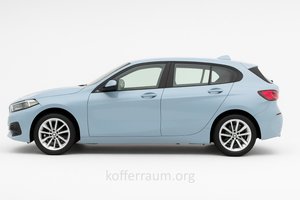 1 Series Hatchback
 -
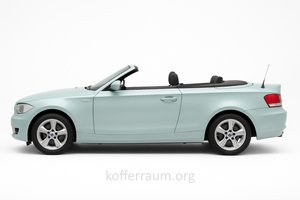 1 Series Convertible Convertible
 -
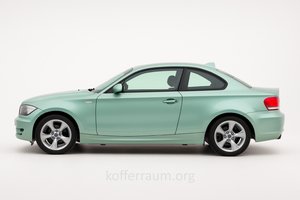 1 Series Coupe Coupe
 -
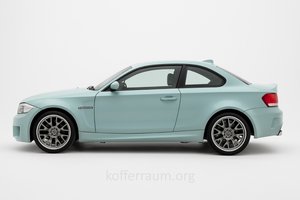 1 Series M Coupe Coupe
 -
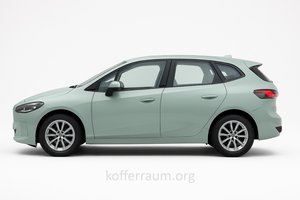 2 Series Active Tourer Van
 -
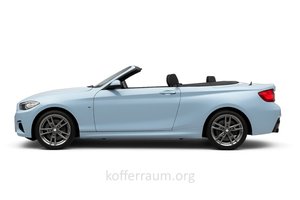 2 Series M Convertible Convertible
 -
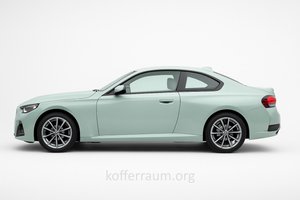 2 Series Coupe Coupe
 -
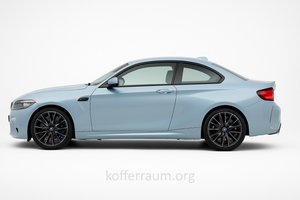 2 Series M Coupe Coupe
 -
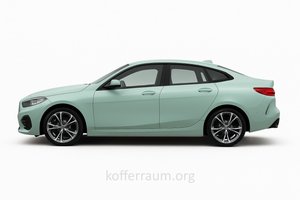 2 Series Gran Coupe Gran Coupe
 -
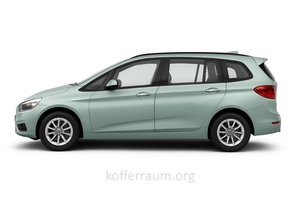 2 Series Gran Tourer Van
 -
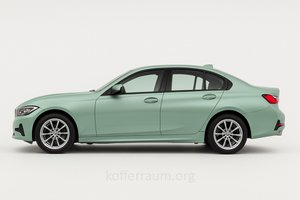 3 Series Sedan
 -
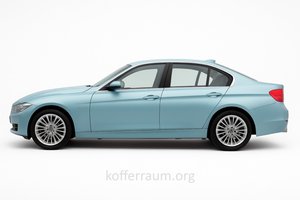 3 Series ActiveHybrid Sedan
 -
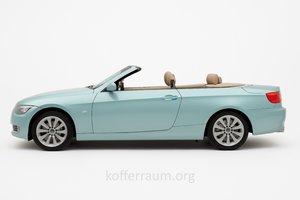 3 Series Convertible Convertible
 -
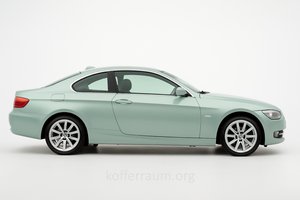 3 Series Coupe Coupe
 -
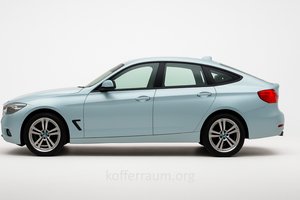 3 Series Gran Turismo Gran Turismo
 -
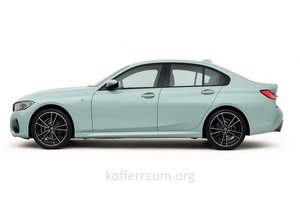 M3 Sedan
 -
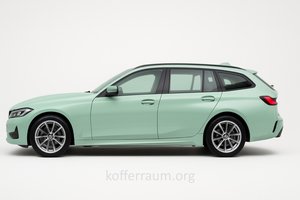 3 Series Touring Wagon
 -
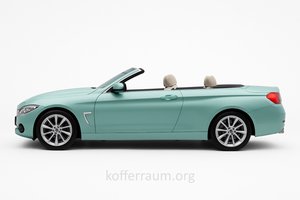 4 Series Convertible Convertible
 -
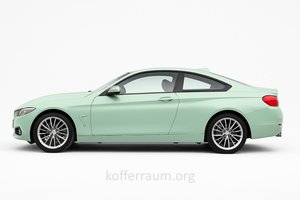 4 Series Coupe Coupe
 -
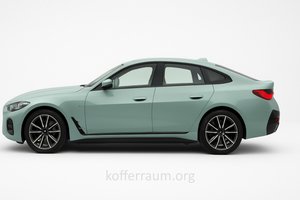 4 Series Gran Coupe Gran Coupe
 -
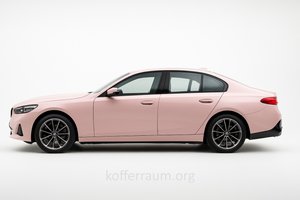 5 Series Sedan
 -
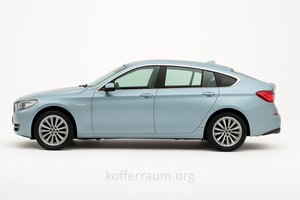 5 Series Gran Turismo Gran Turismo
 -
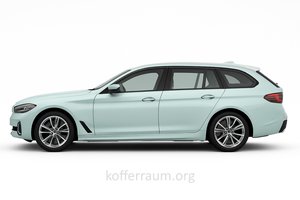 5 Series Touring Wagon
 -
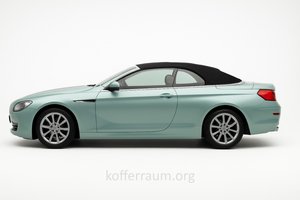 6 Series Convertible Convertible
 -
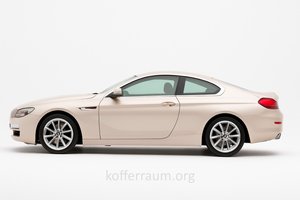 6 Series Coupe Coupe
 -
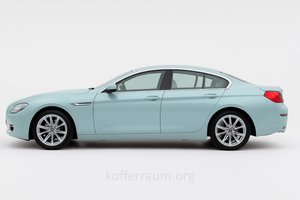 6 Series Gran Coupe Gran Coupe
 -
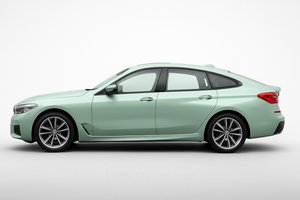 6 Series Gran Turismo Gran Turismo
 -
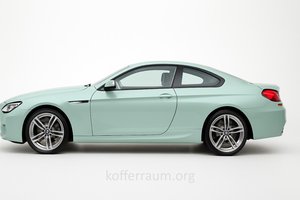 M6 Coupe Coupe
 -
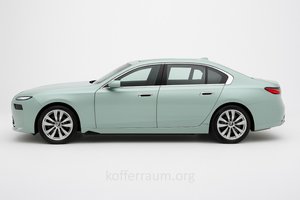 7 Series Sedan
 -
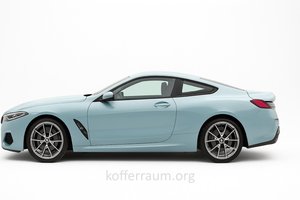 8 Series Coupe Coupe
 -
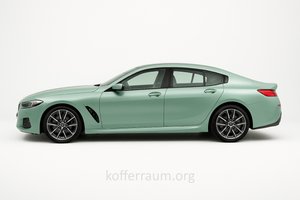 8 Series Gran Coupe Gran Coupe
 -
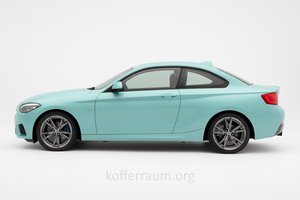 M240i Coupe
 -
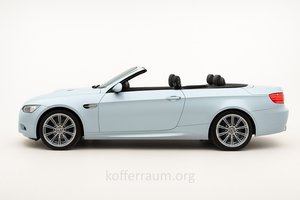 M3 Convertible Convertible
 -
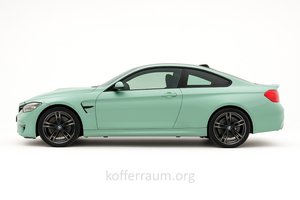 M4 Coupe
 -
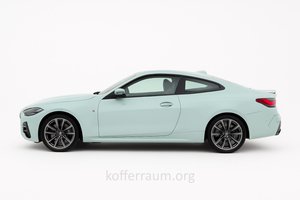 M440i Coupe
 -
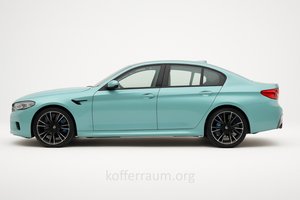 M5 Sedan
 -
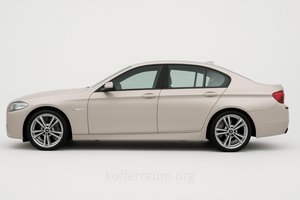 M550d Sedan
 -
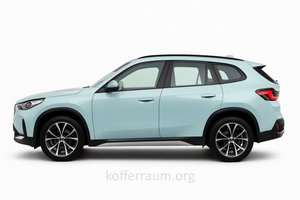 X1 SUV
 -
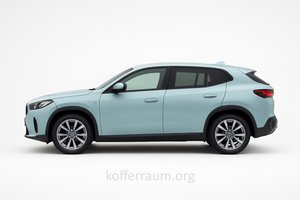 X2 SUV
 -
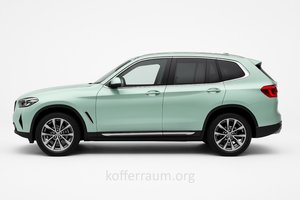 X3 SUV
 -
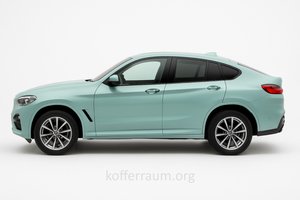 X4 SUV
 -
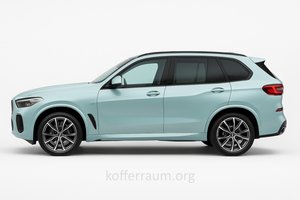 X5 SUV
 -
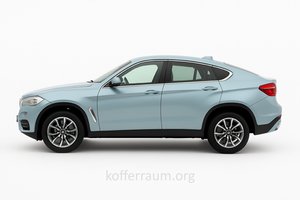 X6 SUV
 -
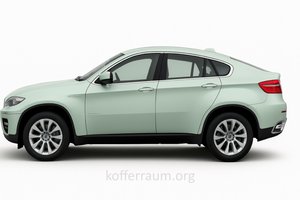 X6 ActiveHybrid SUV
 -
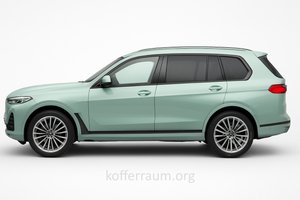 X7 SUV
 -
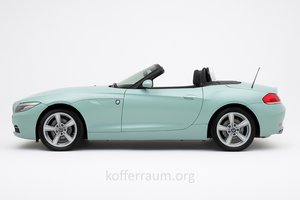 Z4 Roadster Convertible
 -
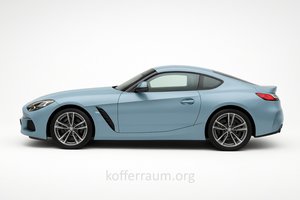 Z4 Coupe Coupe
 -
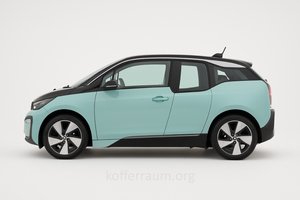 i3 Hatchback
 -
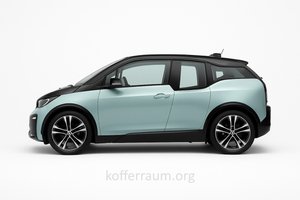 i3s Hatchback
 -
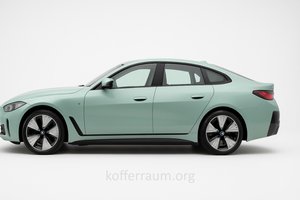 i4 Gran Coupe
 -
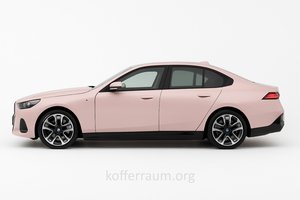 i5 Sedan
 -
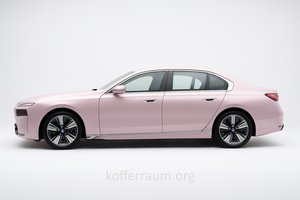 i7 Sedan
 -
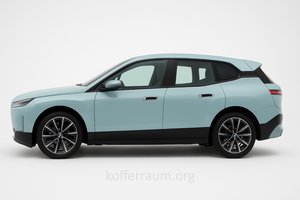 iX SUV
 -
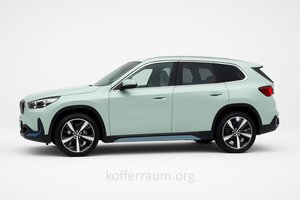 iX1 SUV
 -
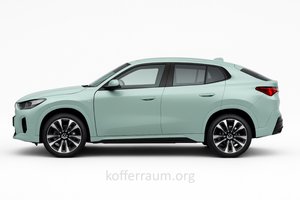 iX2 SUV
About BMW
BMW is a brand that connects automotive enthusiasts worldwide with a clear promise: driving pleasure. Behind this promise lie more than a hundred years of company history, a strong engineering culture, and a brand image that combines sporty dynamics with premium comfort.
Founded in 1916, BMW initially developed as a manufacturer of aircraft engines before motorcycles and shortly thereafter automobiles became the core business in the 1920s. A distinctive feature of the brand is its consistent focus on driver orientation: rear-wheel drive or rear-biased traction configurations, balanced weight distribution, and a chassis that provides feedback to the driver. The technically precise engines, especially the famous inline six-cylinder engines, have contributed to the sporty-elegant character for decades.
Design is deliberately brand-defining at BMW. The kidney grille and the "Hofmeister kink" in the C-pillar are classic identifying features that continue in modern interpretations. The recent enlargement of the kidney grille has sparked discussions, but it expresses a conscious style that creates presence on the road. Interior design combines high-quality materials with clean lines and emphasized user guidance: driver focus, ergonomic controls, and a digital cockpit that consolidates functions without overwhelming the driver.
Technically, BMW has set innovations in various areas. The EfficientDynamics strategy has aimed for years at reducing consumption and increasing efficiency without sacrificing performance. In parallel, BMW has expanded its electrification strategy: with models like the i3, i4, and iX, the brand brings battery-electric vehicles to different segments, complemented by plug-in hybrids across many model lines. The challenge is to transfer the typical BMW DNA — immediate responsiveness, balance, and agility — into the electric era.
The M Division shapes the sporty image with performance-oriented models that sharpen chassis, engine, and aerodynamics. Motorsport experience flows into production models, strengthening BMW’s sporty legitimacy. At the same time, the BMW Group operates a broader portfolio: Mini, Rolls-Royce, and the motorcycle brand BMW Motorrad expand the family and allow technological synergies.
Driver assistance systems, connectivity, and software are gaining importance. BMW invests in connected services, over-the-air updates, and stronger integration of driver assistance functions. The goal is to maintain the balance between comfort, safety, and the traditional driving experience rather than making the steering wheel fully delegable.
Sustainability and production are further cornerstones: efficiency in powertrains, circular materials, and CO2 reduction in manufacturing are increasingly part of the brand strategy. At the same time, production at locations such as Munich, Dingolfing, and Spartanburg remains a mark of quality.
In summary: BMW remains a brand that combines driving culture with technical ambition. The transition to electrification and software-centered vehicle architecture presents strategic challenges — and at the same time opportunities to transfer the brand DNA into new technologies. For those who value dynamic driving and premium equipment, BMW remains a relevant and defining provider in the automotive world.