
Home » Trunk dimensions » Ford
Ford — trunk dimensions
36 models
-
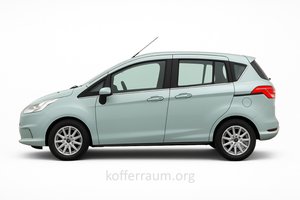 B-MAX Minivan
 -
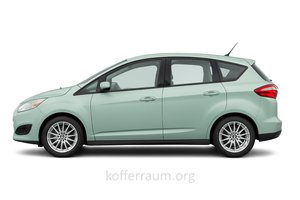 C-MAX Wagon
 -
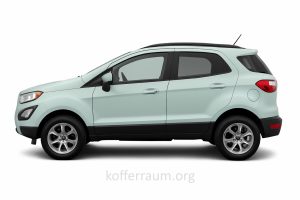 EcoSport SUV
 -
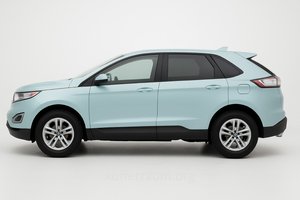 Edge SUV
 -
 Fiesta Hatchback
 -
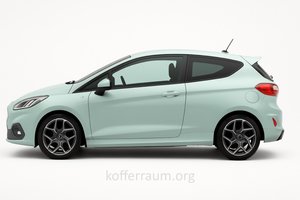 Fiesta ST Hatchback
 -
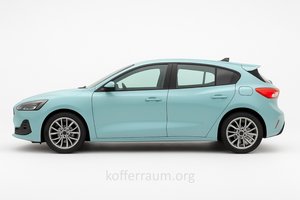 Focus Hatchback
 -
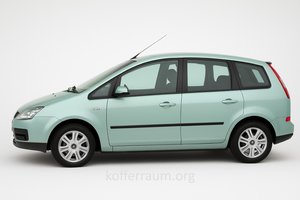 C-MAX Wagon
 -
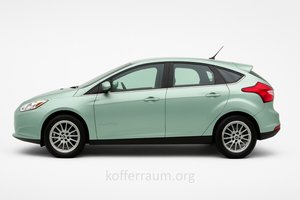 Focus Electric Hatchback
 -
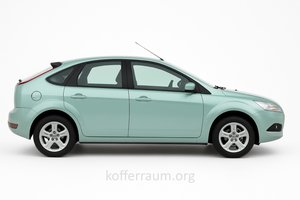 Focus (second generation) Hatchback
 -
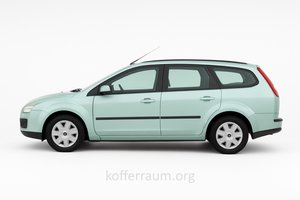 Focus LX Wagon
 -
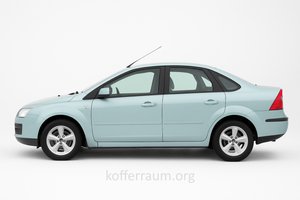 Focus Sedan Sedan
 -
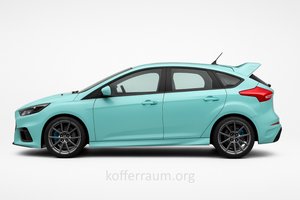 Focus RS Hatchback
 -
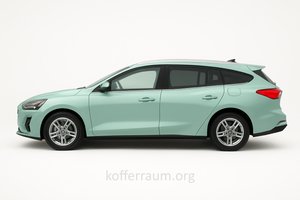 Focus Wagon Wagon
 -
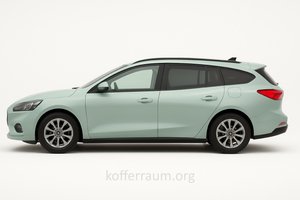 Focus Wagon Hybrid Wagon
 -
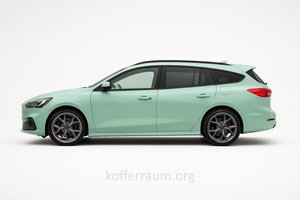 Focus Wagon ST Wagon
 -
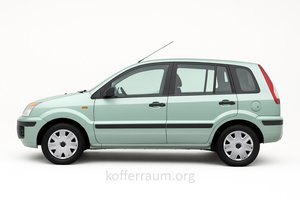 Fusion Sedan
 -
 Galaxy Minivan
 -
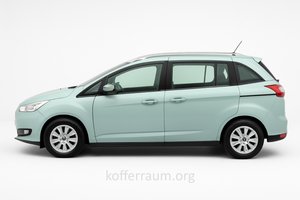 Grand C-MAX Wagon
 -
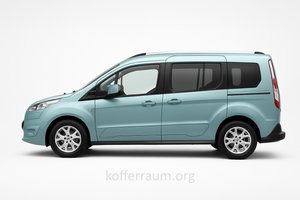 Grand Tourneo Minivan
 -
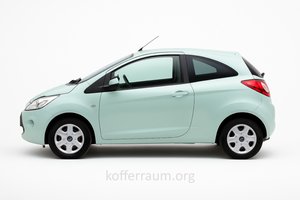 Ka City car
 -
 Ka+ City car
 -
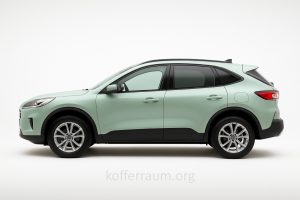 Escape SUV
 -
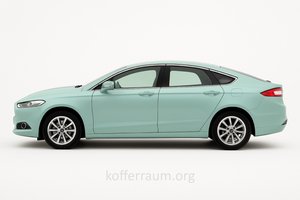 Fusion Sedan
 -
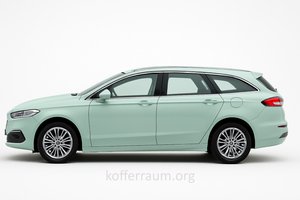 Fusion Wagon Wagon
 -
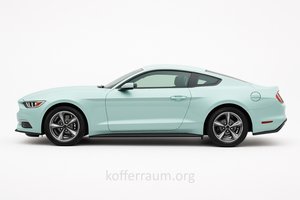 Mustang Fastback Coupe
 -
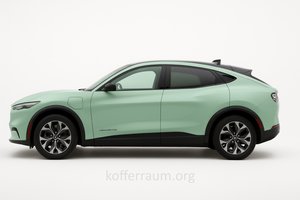 Mustang Mach-E SUV
 -
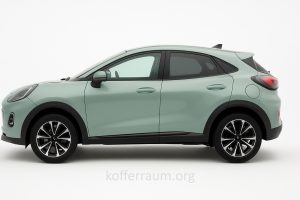 Puma SUV
 -
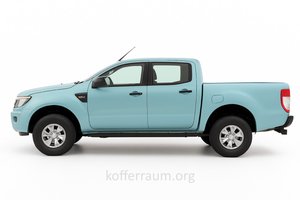 Ranger SuperCrew Pickup
 -
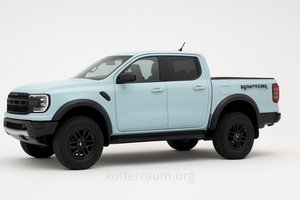 Ranger Raptor Pickup
 -
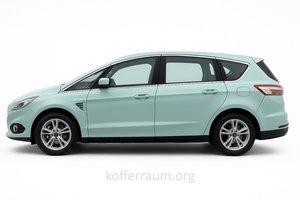 S-MAX 2.0 Minivan
 -
 S-MAX Minivan
 -
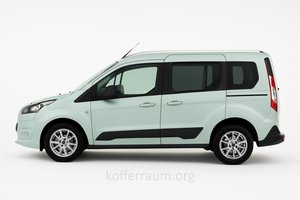 Transit Connect Wagon Minivan
 -
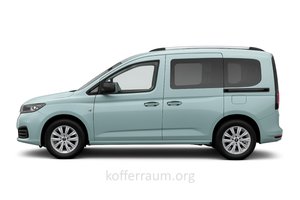 Transit Connect Van Van
 -
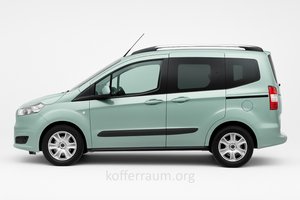 Transit Courier Van
 -
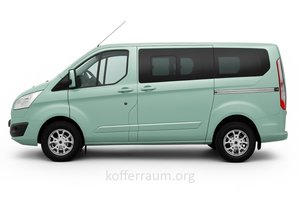 Transit Custom Van
About Ford
Ford is one of the most well-known and influential automotive brands in the world. Founded in 1903 by Henry Ford in Detroit, the company revolutionized automobile production with the introduction of assembly line manufacturing. This method significantly reduced production costs and made cars affordable for a broad segment of the population. The Model T, produced from 1908 to 1927, is considered a symbol of this democratization of the automobile.
Over the decades, Ford evolved from a pure manufacturer of affordable mass-market cars to a global corporation with a broad product portfolio. In addition to passenger cars, Ford produces commercial vehicles, vans, and pickups. The brand is particularly successful in North America with the F-Series, one of the best-selling vehicle lines there. In Europe, models like the Escort, Fiesta, and Focus shaped the compact and mid-size segments; they combine everyday practicality with dynamic driving characteristics.
Innovation has always played a central role at Ford. The company continuously invests in new powertrains, driver assistance systems, and connected services. Modern Fords today offer advanced driver assistance systems such as adaptive cruise control, lane-keeping assist, and parking aids. At the same time, the brand pursues a clear electrification strategy: hybrid, plug-in hybrid, and fully electric models expand the lineup. Examples include the Mustang Mach-E, a fully electric SUV, and the all-electric E-Transit for commercial use.
Design and driving dynamics are further pillars of the brand identity. Ford’s vehicles combine functional design with a sport-oriented chassis setup. The goal is to merge everyday usability with driving enjoyment. In product strategy, there is also a clear focus on customer needs: practical interiors, efficient engines, and good value for money.
Ford has long been involved in motorsport and performance. Historic successes in endurance races and competitions have strengthened its image as a sporty brand. Ford Performance, the high-performance division, develops models like the Mustang Shelby that combine technology and emotion.
Operating globally, Ford also faces challenges. Stricter emissions regulations, the shift toward electromobility, and increasing competition from new manufacturers require adaptability. At the same time, digitalization and new mobility concepts offer opportunities: connected services, autonomous driving functions, and fleet solutions are gaining importance.
Sustainability and resource efficiency are becoming more central. Ford invests in local manufacturing sites, battery production, and recycling concepts to improve the vehicles’ CO2 footprint throughout their lifecycle. At the same time, the brand focuses on customer-oriented digital services: over-the-air updates, vehicle apps, and personalized mobility offerings aim to increase user engagement. Dealers remain important, but hybrid sales configurations and delivery options complement the offering. For fleet customers, Ford provides specialized solutions with telematics, energy management, and service packages that reduce operating costs. Brand communication emphasizes reliability, practical benefits, and technical expertise—values visible in workshops and resale values. Overall, Ford demonstrates the ability to combine tradition and technical innovation, remaining relevant in a rapidly changing industry.
The coming years will decide the success of the transformation: those who deliver faster in battery technology, software, and customer-oriented mobility services will shape the future. Ford is working to maintain this leadership role.