
Home » Trunk dimensions » Subaru
Subaru — trunk dimensions
12 models
-
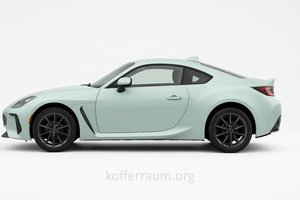 BRZ Coupe
 -
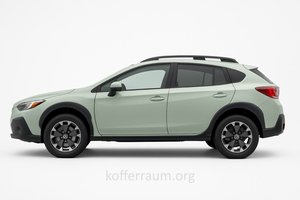 Crosstrek SUV
 -
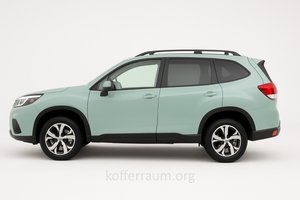 Forester SUV
 -
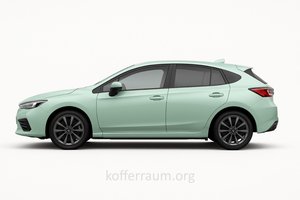 Impreza Hatchback
 -
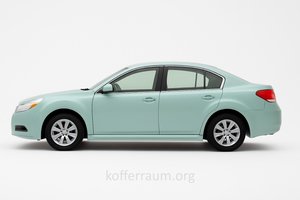 Legacy Sedan
 -
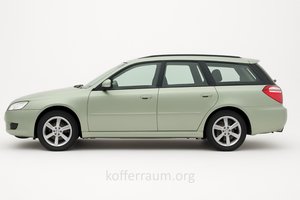 Legacy Wagon Wagon
 -
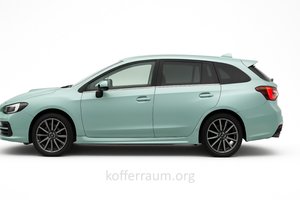 Levorg Wagon
 -
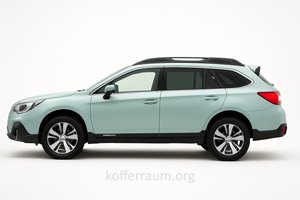 Outback Wagon
 -
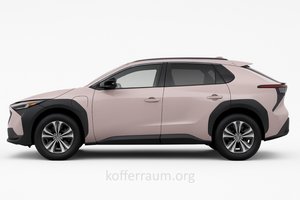 Solterra SUV
 -
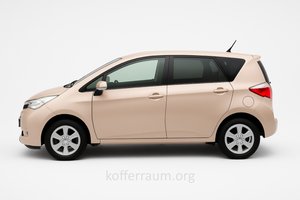 Trezia Minivan
 -
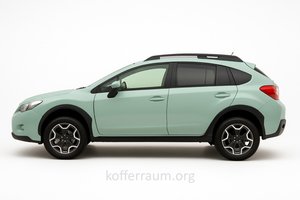 Crosstrek SUV
 -
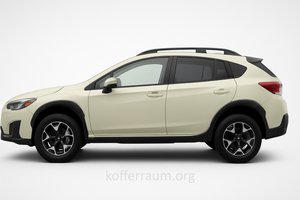 XV Crosstrek SUV
About Subaru
Subaru is a brand with a clear identity: consistently practical, technically independent, and emotionally rooted in motorsport and outdoor lifestyle. Unlike many volume manufacturers, Subaru builds its products consistently around two core features: the boxer engine and permanent all-wheel drive. This combination shapes the driving experience, safety, and brand image equally and has distinguished Subaru from the competition for decades.
Historically, Subaru's profile in Japan began with a mix of aircraft and automotive technology — the name itself comes from the Japanese star cluster of the Pleiades. In Europe and North America, the brand gained recognition through rally successes: the Impreza WRX and later the STI became icons because they offered performance, durability, and driving safety on rough terrain. This rally DNA flowed directly into civilian models; Subaru drivers have since appreciated the robust construction and confident handling on varying surfaces.
Technology at Subaru is less about show. The boxer engine lowers the center of gravity, improving stability. The symmetrical all-wheel drive distributes power evenly and ensures traction even under difficult conditions. Together, these features provide a noticeably different driving experience: calm, stable, and predictable, rather than optimized for maximum power and aggressive steering. For many buyers, this is exactly the appeal — not a sports car spectacle, but reliability in everyday life and safety on icy country roads or muddy forest trails.
Safety aspects are consistently emphasized at Subaru. The EyeSight driver assistance system, active chassis components, and stiff, crash-resistant body structures increase occupant protection and driving safety. In comparison tests, Subaru models regularly perform well. The brand promise is: to build vehicles that protect their occupants and remain reliable for a long time. This appeals to a target group that values substance over short-term trends.
The current model lineup covers typical life areas: compact sedans like the Impreza, practical wagons and SUV variants like the Forester and Outback, as well as sporty exceptions like the WRX and BRZ. Forester and Outback are especially popular with active families and outdoor enthusiasts due to high ground clearance, spacious interiors, and ease of use. The brand sticks to a manageable portfolio optimized for robustness and everyday usability rather than chasing every trend.
Subaru addresses future topics with a cautious but targeted strategy. Electrification is progressing — joint projects with other manufacturers have led to the first pure electric models like the Solterra. At the same time, Subaru remains true to its core competence and tries to transfer the advantages of the boxer engine and all-wheel drive concept into hybrid and electric powertrains. The goal is not a radical break but an evolutionary development of core strengths.
Brand loyalty Subaru customers often stay with the brand for a long time, appreciating the practical utility and the community around outdoor driving. Those who buy a Subaru rarely seek maximum prestige; rather, reliability, driving enjoyment under real conditions, and a clear technical profile are the focus. This is exactly what makes Subaru a credible brand in a market increasingly split between image and technology.