Home » Trunk dimensions » VW
VW — trunk dimensions
58 models
-
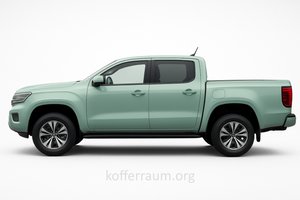 Amarok Double Cab Pickup Truck
 -
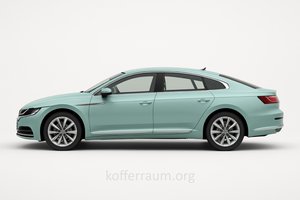 Arteon Hatchback
 -
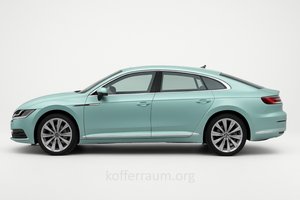 Arteon Coupe Coupe
 -
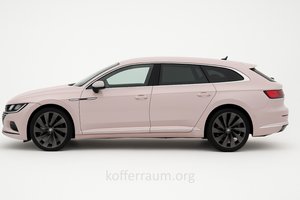 Arteon Wagon Wagon
 -
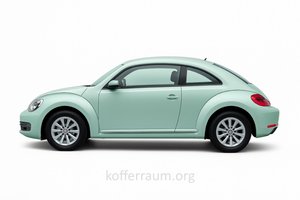 Beetle Compact Car
 -
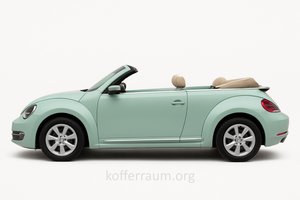 Beetle Convertible Convertible
 -
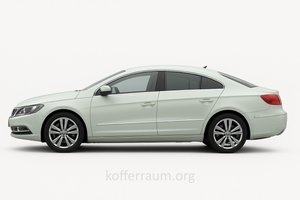 CC Coupe Coupe
 -
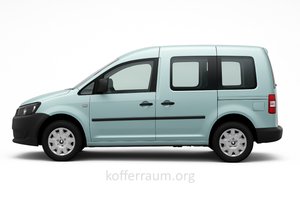 Caddy Wagon Van
 -
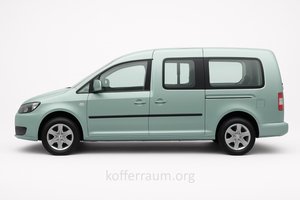 Caddy Maxi 3-Row Van
 -
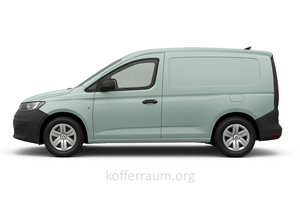 Caddy Van Van
 -
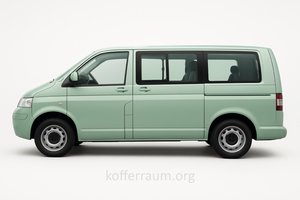 Caravelle Van
 -
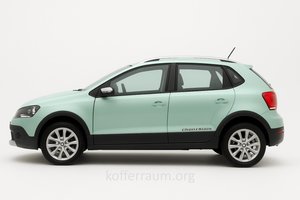 Cross Polo Subcompact Car
 -
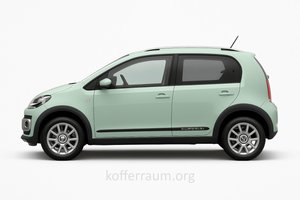 Cross Up Subcompact Car
 -
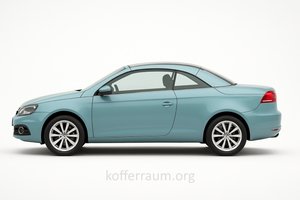 Eos Convertible
 -
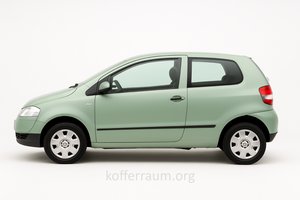 Fox Subcompact Car
 -
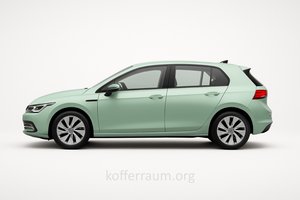 Golf Hatchback
 -
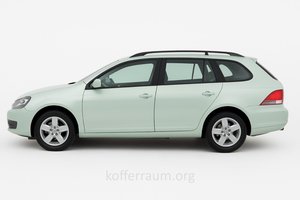 Golf Wagon (Mk5) Wagon
 -
 Golf (Mk6) Hatchback
 -
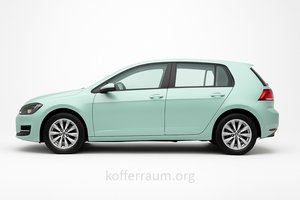 Golf (Mk7) Hatchback
 -
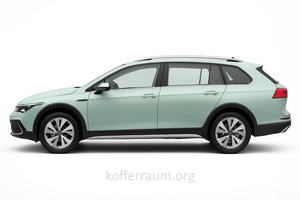 Golf Alltrack Wagon
 -
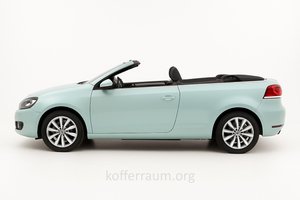 Golf Convertible Convertible
 -
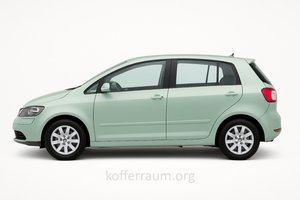 Golf Plus Van
 -
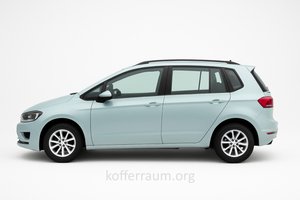 Golf SV Van
 -
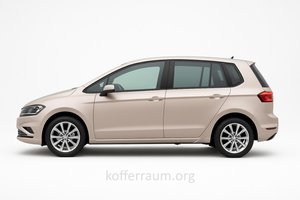 Golf Sportsvan Van
 -
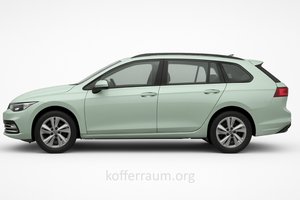 Golf Wagon Wagon
 -
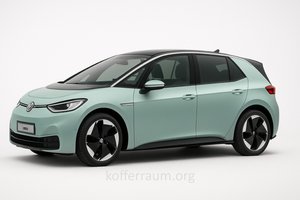 ID.3 Hatchback
 -
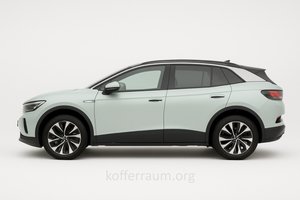 ID.4 SUV
 -
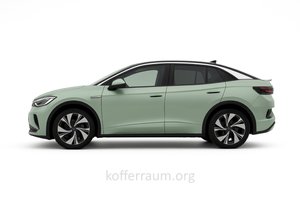 ID.5 SUV
 -
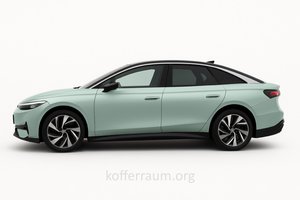 ID.7 Hatchback
 -
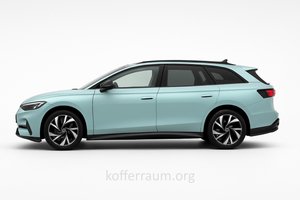 ID.7 Wagon Wagon
 -
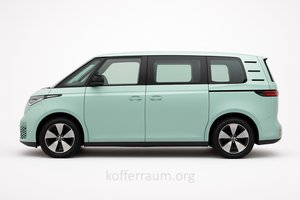 ID. Buzz Van
 -
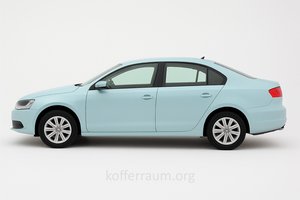 Jetta Sedan
 -
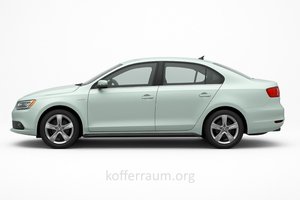 Jetta Hybrid Sedan
 -
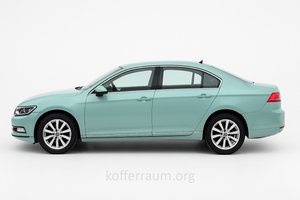 Passat Sedan
 -
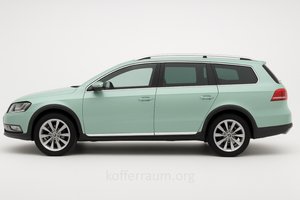 Passat Alltrack Wagon
 -
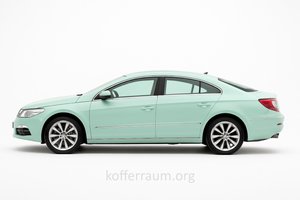 CC Sedan
 -
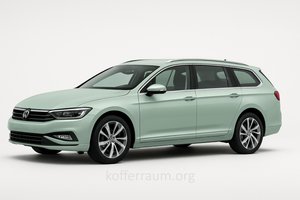 Passat Wagon Wagon
 -
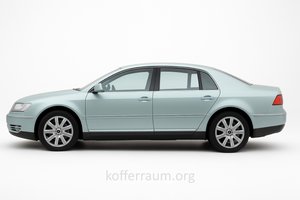 Phaeton Sedan
 -
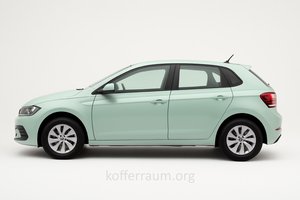 Polo Subcompact Car
 -
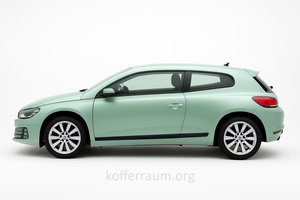 Scirocco Coupe
 -
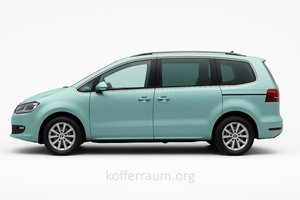 Sharan Van
 -
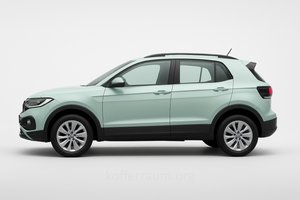 T-Cross SUV
 -
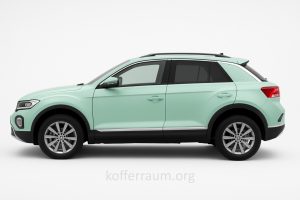 T-Roc SUV
 -
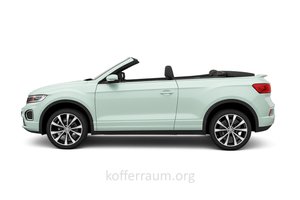 T-Roc Convertible Convertible
 -
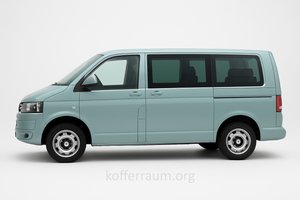 T5 Multivan Van
 -
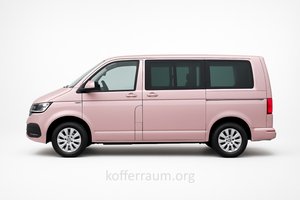 T6 Multivan Van
 -
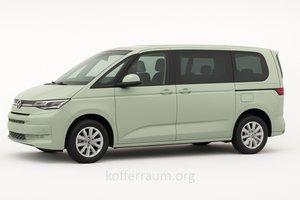 T7 Multivan Van
 -
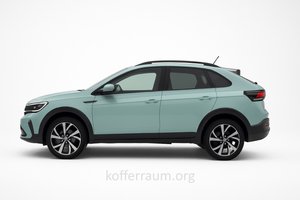 Taigo SUV
 -
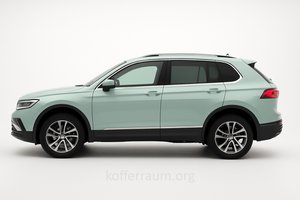 Tiguan SUV
 -
 Tiguan Allspace SUV
 -
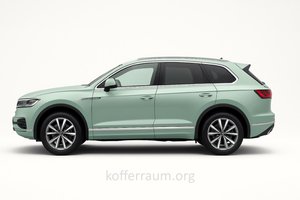 Touareg SUV
 -
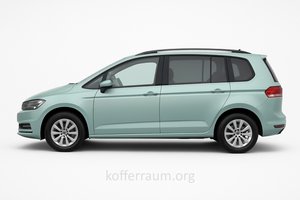 Touran Van
 -
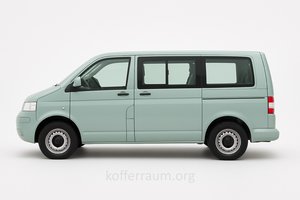 Transporter Multivan Short Van
 -
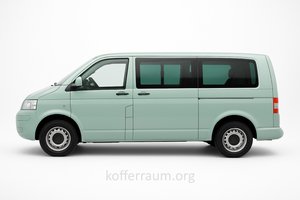 Transporter Multivan Long Van
 -
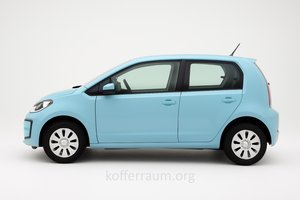 Up Subcompact Car
 -
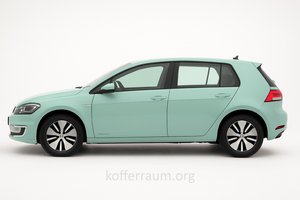 e-Golf Hatchback
 -
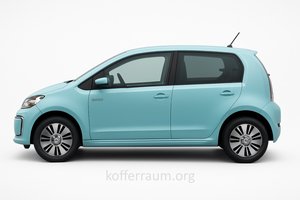 e-Up Subcompact Car
 -
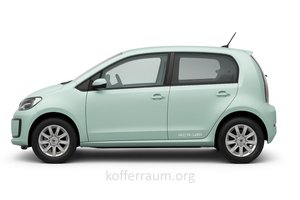 eco-Up Subcompact Car
About VW
Volkswagen is one of the most distinctive automotive brands in the world. The brand was founded in 1937 and has evolved from a politically initiated project into a global mass manufacturer. Its image is based on reliability, practical technology, and a high level of manufacturing depth. Volkswagen represents a range of vehicles: from the compact Polo to the Golf, which has set benchmarks in its segment for decades, to business sedans like the Passat and Touareg.
VW's design philosophy is restrained and timeless. Instead of extreme trends, the brand focuses on clarity, proportional lines, and a design harmony that still looks modern after years. Interiors usually manage to combine functionality with a high-quality feel. Materials, ergonomics, and intuitive operating concepts follow the goal of linking everyday usability with emotional appeal to the target audience.
Technically, Volkswagen has often been a pioneer. In the post-war years, the Beetle significantly contributed to motor mobility in Europe. The success recipe was the compact front-wheel drive layout with good space utilization and solid driving dynamics. More recently, VW has focused on modular platforms like the MQB architecture, which increased efficiency in development and production and allowed for a wide variety of models. The engine range, transmission technology, and chassis tuning have been consistently developed further, so VW models often offer a balanced combination of comfort, safety, and driving enjoyment.
The shift to electromobility currently strongly shapes the brand. With the ID family, Volkswagen has formulated a clear product promise: broader availability of fully electric vehicles, scalable technology, and attractive prices. The ID.3 and ID.4 mark the entry into a new chapter, while the corporate strategy simultaneously continues to invest in hybridization and efficiency improvements for combustion engines. Charging infrastructure, software integration, and battery cell production are central building blocks for competitiveness.
Brand management and operations at VW work to secure customer trust. Quality assurance, service network, and spare parts supply remain strengths. At the same time, connected mobility demands new competencies: over-the-air updates, digital services, and connected assistance systems are now part of the customer experience.
VW is globally present, with production facilities on all continents and a broad model range that addresses local market needs. This global setup helps cushion fluctuations in individual markets and scale innovations across different regions.
There has been criticism in the past that forces the company to live transparency and compliance more strongly. This has accelerated strategic adjustments and intensive investments in clean technologies.
In summary, Volkswagen remains a brand with high everyday relevance: it combines established engineering and manufacturing quality with the current shift toward sustainable mobility. This means reliable everyday vehicles, a broad model selection, and a dense service network — at the same time, VW faces the challenge of bringing future technologies quickly, efficiently, and credibly into mass production.
Partnerships with suppliers, research institutions, and other manufacturers play an important role. Volkswagen invests in battery recycling, charging infrastructure expansion, and software platforms to enable customer-specific functions. At the regional level, dealer concepts and mobility services adapt the offering to urban needs. At the same time, brand identity remains an important asset: quality, functionality, and broad customer appeal are to be maintained while design and technology become more modern. Those who buy a Volkswagen today often receive a well-thought-out overall package of vehicle, service, and digital services — and a promise that must prove itself through further innovations in the coming years.